

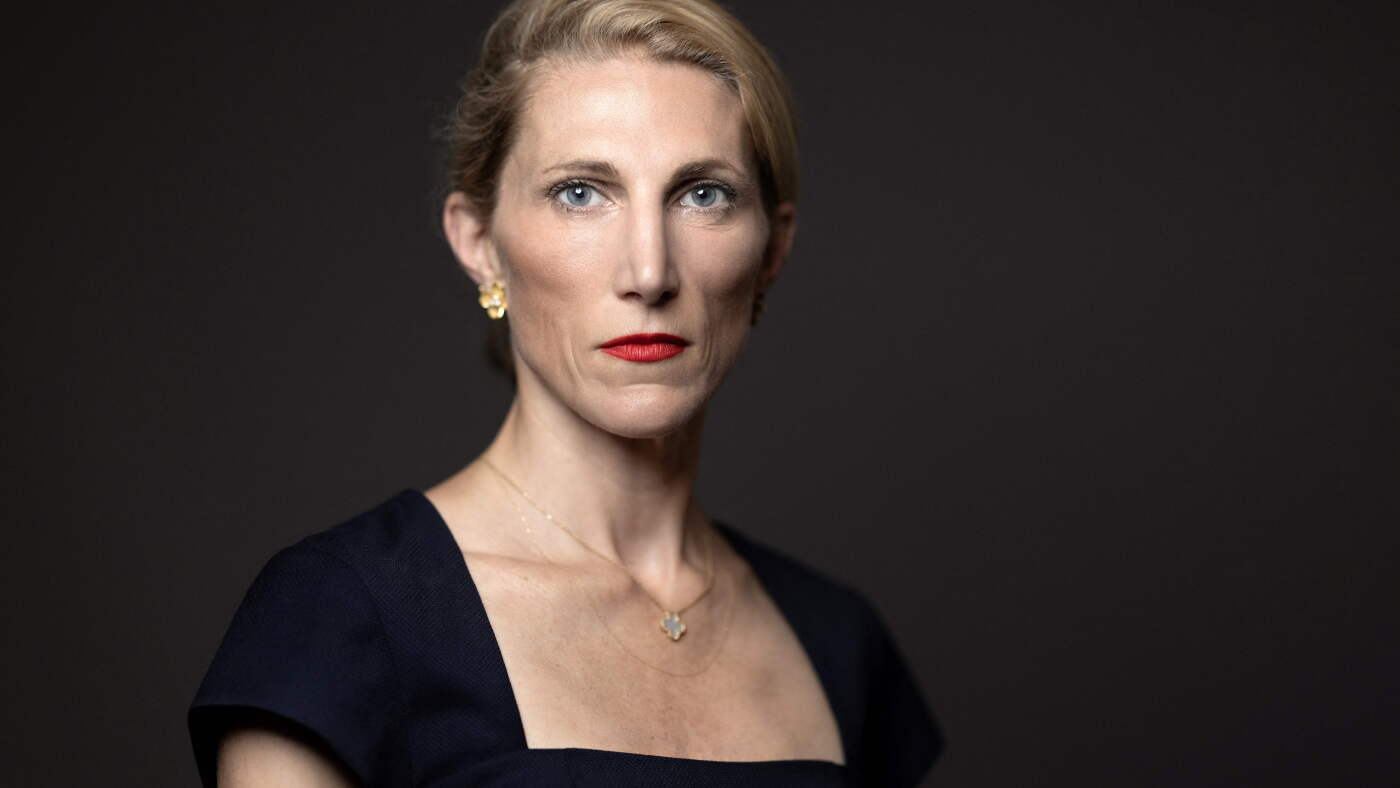
Dr. Vanessa Kerry has assumed the role of special envoy for health resilience at the World Health Organization, adding to her existing positions as director of global health and climate policy at Harvard School of Public Health and founder and CEO of Seed Global Health. Her appointment reflects a career dedicated to strengthening healthcare systems in resource-limited settings.
Kerry’s trajectory in global health was shaped by formative experiences in her youth. During medical school, she spent time working in a Rwandan hospital where she assisted in a complicated childbirth with minimal resources and support from a local nurse. The experience crystallized her understanding of systemic healthcare gaps and motivated her to develop sustainable solutions rather than temporary interventions. After completing her residency at Massachusetts General Hospital, she founded Seed Global Health to address these challenges through local capacity building.
Seed Global Health has operated for more than a decade, focusing on training healthcare workers and practitioners in lower-resource countries across sub-Saharan Africa. The organization partnered with the Peace Corps from 2012 to 2018, concentrating efforts on HIV/AIDS epidemic control. Recent work includes training emergency medicine physicians in Uganda; when an Ebola outbreak occurred there earlier this year, these trained specialists were able to instruct over 3,000 health workers in case management and infection prevention protocols.
In her new envoy role, Kerry aims to shift global health funding and strategy away from disease-by-disease and crisis-by-crisis approaches toward building comprehensive healthcare infrastructure. She emphasizes that resilience depends on strong systems, primary care capacity, and rapid response capabilities. Her agenda prioritizes listening to local priorities and ensuring adequate funding for countries to address their most significant disease burdens. Kerry maintains that if healthcare system infrastructure is already established, nations will be better positioned to respond effectively to emergencies rather than scrambling during crises.
Article Attribution | Read More at Article Source
Article summary produced by Claude AI