

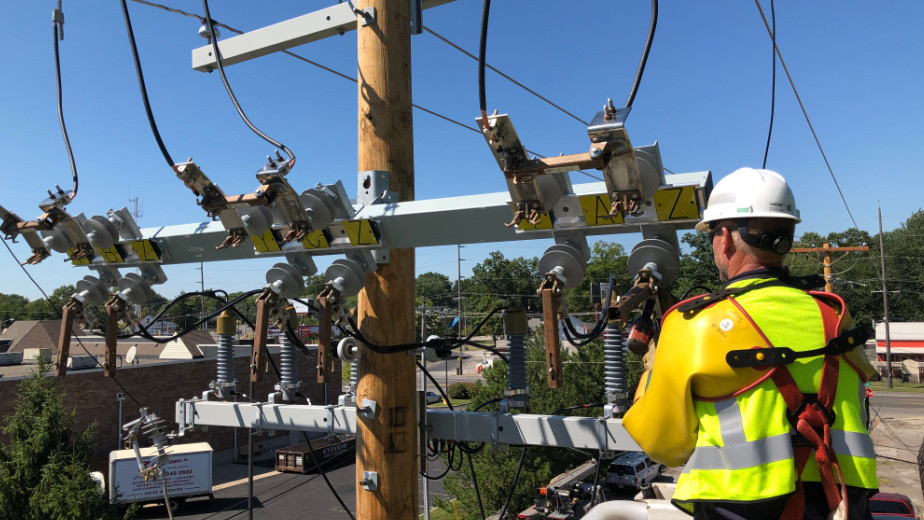
Electric grid reliability demonstrated improvement in 2025 relative to the prior year, according to multiple data sources tracking outage frequency and duration. However, analysts note that this improvement represents a modest exception within a broader pattern of declining reliability extending back to the early 2000s, coinciding with the expansion of grid deregulation across the industry.
Three key metrics illustrate the trend: outage data compiled by the Energy Information Administration through 2023 shows an upward trajectory, while measurements of outage minutes per customer from the Institute of Electrical and Electronics Engineers reveal significant year-to-year variability alongside an overall upward trend. When major weather events are excluded from calculations, outage data demonstrates relatively smooth growth, though this approach parallels how corporations report adjusted financial figures that exclude one-time items. Critics contend that customers require consistent performance during challenging conditions rather than performance measured during optimal circumstances. The volatility in outage metrics also increases financial risk for grid users, who must decide whether to invest in backup power systems and storage technologies to protect against potential failures.
Battery and solar storage technologies are reshaping the economic dynamics of electricity distribution, recreating a geographic divide between urban and rural service areas not seen since the 1930s. As these technologies become cheaper and more reliable, utilities now find it financially advantageous to transition high-cost rural customers to standalone systems rather than maintain expensive distribution infrastructure. New market entrants are deploying residential battery systems that provide approximately 36 hours of backup power during outages, generating returns through multiple revenue streams including arbitrage opportunities based on fluctuating electricity prices.
Analysts project continued technological advancement and cost reduction in battery systems, potentially driven by competitive pressure similar to how telephone technology displaced telegraph systems despite the latter’s adequate functionality. This technological evolution poses a significant challenge for grid economics, as declining costs may not generate sufficient returns for investors in traditional utility infrastructure. If profitability becomes unsustainable, the electric grid may transition toward operating as a public utility similar to police, fire, and sanitation services, funded through local government structures. Some analysts warn that absent substantial service improvements, grid abandonment by customers who can afford alternatives could undermine the financial foundation necessary to support continued operations and infrastructure upgrades.
Article Attribution | Read More at Article Source
Article summary produced by Claude AI