

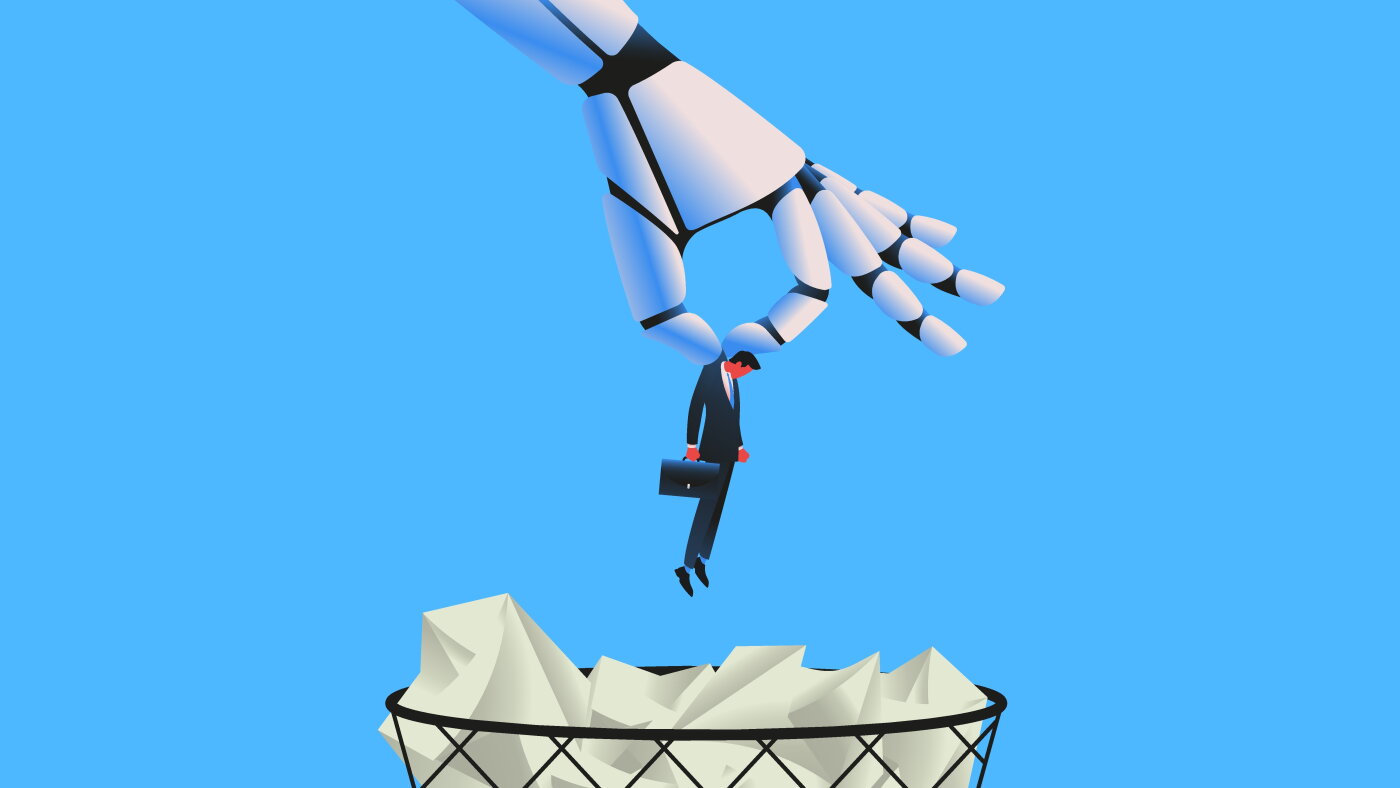
A financial analyst examines a potential scenario in which the artificial intelligence sector experiences a major correction followed by broader economic consequences for workers. The concern centers on whether an AI bubble could burst and simultaneously trigger accelerated automation that eliminates jobs.
Historical precedent suggests bubbles can form around genuinely transformative technologies. Drawing on economic research from Charles Kindleberger and Hyman Minsky, the analysis traces how investors become overly optimistic about new innovations, leading to excessive borrowing and debt accumulation. The railroads and dot-com sectors provide historical examples of transformative technologies that generated asset bubbles. Currently, AI-related companies represent a substantial portion of U.S. stock market gains, with hundreds of billions in borrowing funding data centers and infrastructure development.
The troubling dynamic emerges from the relationship between economic recessions and automation trends. Research by economists Nir Jaimovich and Henry Siu found that between 1990 and 2017, approximately 88 percent of employment declines in automation-vulnerable jobs occurred during recessions or surrounding months. This suggests that automation occurs in concentrated bursts rather than gradually, often coinciding with downturns when businesses prioritize cost reduction.
The scenario combines these two dynamics: if fierce competition among AI companies suppresses profit margins while reducing technology costs, an AI bust could trigger recession. Simultaneously, those economic pressures could prompt businesses to deploy affordable AI technology to replace workers, compounding the economic damage. Investors would face losses while workers face permanent job displacement.
The article notes considerable uncertainty about whether this scenario will materialize, suggesting several counterarguments. A recession could reduce businesses’ capacity to invest in AI, and the technology might prove more valuable for enhancing worker productivity than replacing them. The author also notes policy interventions, including enhanced unemployment insurance and robot taxation proposals, could mitigate potential harms to displaced workers.
Article Attribution | Read More at Article Source
Article summary produced by Claude AI