

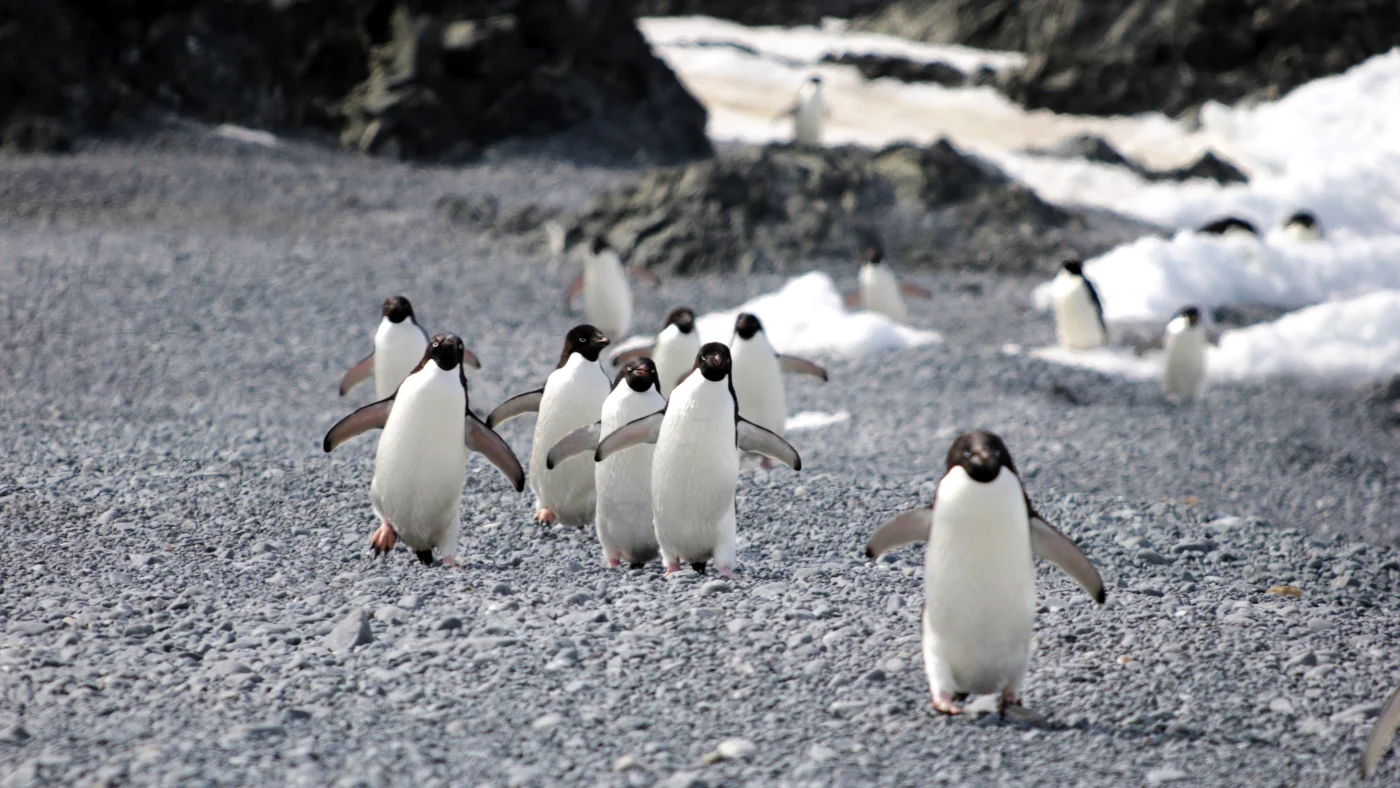
A research team led by Dr. Ralph Vanstreels, a wildlife veterinarian with the University of California, Davis, traveled to the Danger Islands off the Antarctic Peninsula in March 2024 to investigate a suspected bird flu outbreak among Adélie penguins. The team found more than 537 penguin carcasses on a single landing ramp alone, with researchers estimating thousands of additional dead birds across the islands, which host major penguin colonies. Despite initial expectations that bird flu would be responsible, preliminary testing revealed low viral loads inconsistent with a widespread avian influenza die-off.
Further investigation by Vanstreels’ colleagues in the Netherlands identified the actual cause: avian cholera, a bacterial disease. Microscopic examination of penguin tissues revealed bacteria rather than viral infection as the primary cause of death. The findings, published in October in the Proceedings of the Royal Society B, represented a significant discovery given that the Danger Islands are home to two mega-colonies of penguins.
The investigation took on added significance within the context of global bird flu spread. Bird flu has devastated poultry worldwide, killing nearly 300 million birds since late 2021 through direct mortality or culling efforts, and has also affected millions of wild animals and marine mammals. The virus had reached Antarctica in late 2023 and early 2024, and unexpectedly arrived in mainland Australia in June after the continent had remained bird-flu-free for six years, likely transmitted by migrating birds from Antarctica rather than from the expected Southeast Asian routes.
Vanstreels noted that while avian cholera does kill birds globally, particularly in cold environments where the bacteria thrives, the disease poses minimal risk to humans since the avian strain is distinct from the mammalian strain. The discovery underscores the importance of rigorous disease investigation and holds broader implications for tracking disease spread globally.
Article Attribution | Read More at Article Source
Article summary produced by Claude AI