

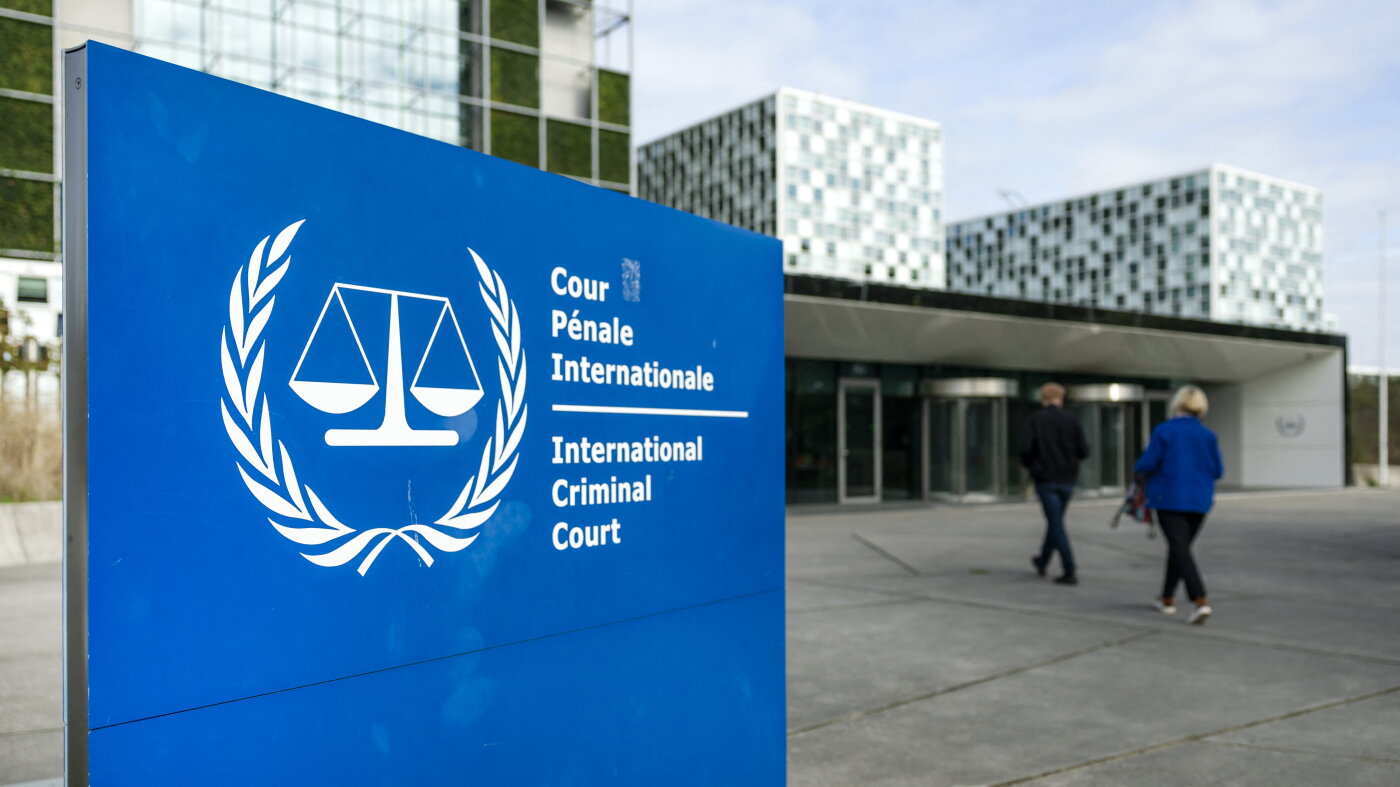
Kimberly Prost, a Canadian judge serving at the International Criminal Court, has experienced significant disruptions to her daily life following U.S. sanctions imposed against her. These restrictions have affected her access to numerous services and financial accounts, including credit cards issued in the Netherlands and Canada, which were canceled following the sanctions. Her banking services have become severely limited, with even routine transfers sometimes blocked. Additionally, Prost has lost access to various American technology platforms and services from multinational companies that maintain operations in the United States.
One of the most consequential impacts has been her health insurance situation. AXA, a French insurance company that provides coverage for International Criminal Court officials, has refused to pay Prost’s claims despite not being legally obligated to comply with U.S. sanctions. Prost characterizes this as a business decision rather than a legal requirement. While some services such as her mobile phone continue to function, she reports that email, cloud storage, and other technology services remain restricted. She has endured these limitations for more than a year.
Prost attributes her sanctions to an executive order targeting ICC officials involved in cases concerning Israel, Gaza, and Afghanistan. Her specific designation stems from a judicial decision made approximately six years earlier, when she served temporarily on the ICC’s Appeals Chamber and joined four other judges in unanimously approving a prosecutor request to investigate alleged war crimes related to the Afghanistan conflict. Although the investigation included a minor component involving the United States, that portion was never pursued and was subsequently deprioritized by prosecutors. Prost emphasizes that her role was judicial in nature, similar to authorizing a search warrant, rather than investigative.
The sanctions against Prost are part of a broader confrontation between Washington and the International Criminal Court. By August 2026, nine of the court’s eighteen judges faced U.S. sanctions, alongside both deputy prosecutors, the former prosecutor, and one staff member. The Trump administration has announced intentions for a broader campaign to “systematically dismantle” the ICC over its investigations involving Americans and Israelis. Prost and two fellow sanctioned judges filed a lawsuit in federal court in New York in June, challenging the legality of the measures against them. Despite the personal hardships, Prost continues her judicial work on cases involving alleged crimes in Mali and maintains her commitment to fulfilling her responsibilities as a judge.
Article Attribution | Read More at Article Source
Article summary produced by Claude AI