

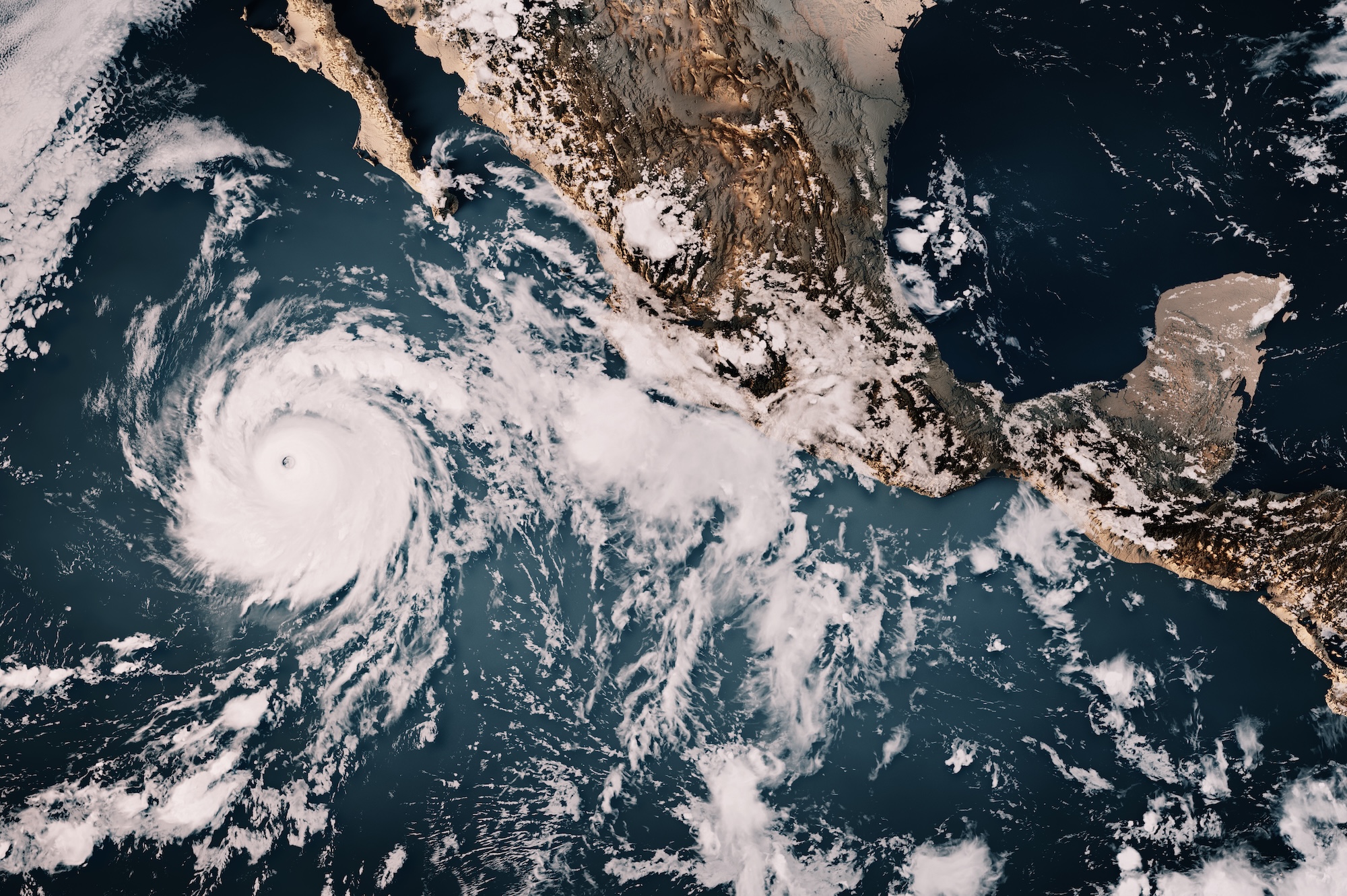
The Pacific Ocean’s current El Niño event is being characterized as exceptionally powerful and unprecedented, drawing widespread attention from scientists, government officials, and media outlets. California has declared a statewide emergency in response to anticipated impacts. One study estimates the phenomenon could result in approximately 451,000 heat-related deaths globally by February. The event has been assigned various descriptors by observers, including the colloquial term “super El Niño,” which gained traction despite not being officially designated by major meteorological organizations like NOAA or the World Meteorological Organization.
El Niño occurs when Pacific Ocean trade winds weaken or reverse, allowing warm water to flow eastward toward the Americas instead of being pushed westward. This shift in ocean temperatures triggers global weather disruptions including extreme rainfall, droughts, and threats to agricultural production. Scientists note that while El Niño is a natural phenomenon typically occurring every two to seven years, its frequency has increased due to climate change. The combination of this year’s strong El Niño with ongoing global warming trends presents particular concerns, as researchers cannot easily separate how much additional warming stems from each factor independently.
Measurements of El Niño strength rely on several indices, with the “Niño 3.4 anomaly” being the most commonly used standard. NOAA classifications range from moderate to very strong based on temperature deviations above normal. Recent analysis indicates sea surface temperatures in the Niño 3.4 region have reached 3.11 degrees Celsius above normal, exceeding the previous record set in November 2015. While El Niño events typically peak in December or January, forecast models suggest a 90 percent probability this event will remain “very strong” through year’s end, with sea surface temperatures in the preceding months setting records.
Climate scientists anticipate this year may rank as the hottest on record, with 2027 potentially experiencing even higher temperatures. Some projections suggest these warming levels could preview typical conditions expected by 2040 under continued greenhouse gas emissions. The term “super El Niño,” despite appearing sensationalized, originated in scientific literature rather than journalistic sources, according to language researchers who have tracked its adoption across multiple languages and regions worldwide. Experts emphasize the challenge of communicating the severity and implications of such extraordinary weather events to the general public through appropriate terminology and descriptors.
Article Attribution | Read More at Article Source
Article summary produced by Claude AI