

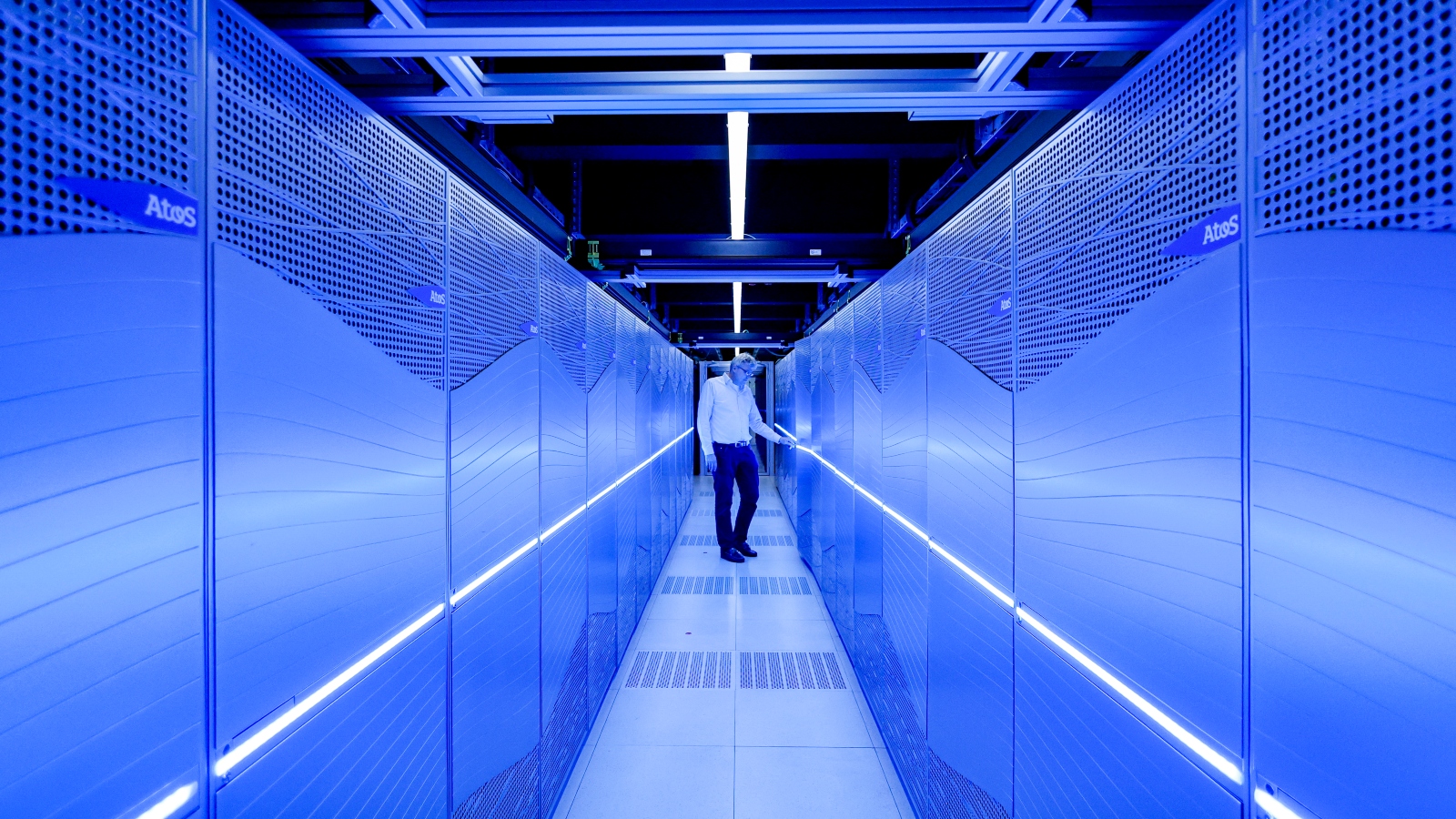
Technicians in Hamburg, Germany are installing new storage equipment at the German Climate Computing Center to house backup copies of US climate data, representing a significant shift in international scientific collaboration. The initiative, called CMIP7-ark and several related projects, was established by the German Research Foundation with a budget of $35 million in late 2025 to preserve American contributions to the next major United Nations climate assessment scheduled for 2029.
German science leaders cite concerns about potential data loss or manipulation as motivation for the backups. The German Research Foundation’s program manager noted risks of data deletion and potential manipulation to skew research findings. These concerns emerged after the US government withdrew from major UN climate bodies in January and took various actions restricting climate research funding and access, including removing references to human-caused warming from government websites and attempting to defund key research facilities.
Storing massive datasets in multiple locations represents a departure from standard scientific practice. Most research data has historically been maintained at single locations where it was generated, partly because the infrastructure and expertise appeared secure enough and partly because transferring petabytes of information is extremely costly and time-consuming. Data transfer typically requires months and can involve physically shipping hard drives or magnetic tapes internationally, a process known as “sneakernet.”
The increasing frequency of political upheaval, cyberattacks, and natural disasters has prompted reconsideration of this approach. International climate scientists and data preservation experts now view distributed backup systems as essential, particularly for datasets critical to global climate assessments. Environmental data generated with US public funding traditionally remains in the public domain, but vulnerability to human interference, technical failures, and neglect makes offshore repositories increasingly necessary. Six separate projects have received funding to preserve endangered American scientific datasets, reflecting broader European concerns about the long-term accessibility of critical environmental research.
Article Attribution | Read More at Article Source
Article summary produced by Claude AI