

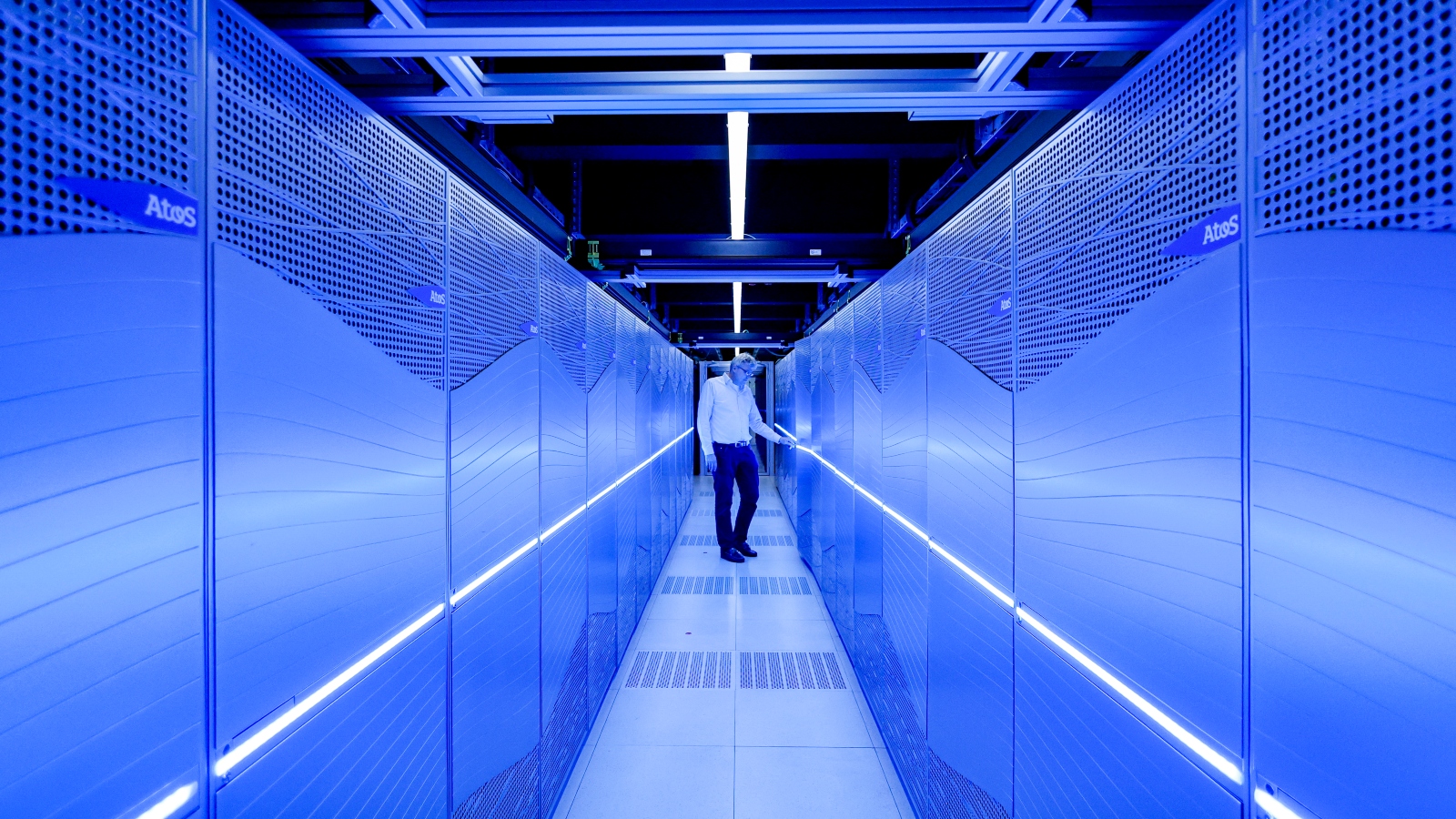
German science institutions are establishing data backup facilities to preserve climate research contributions from U.S. scientists ahead of a major U.N. climate assessment scheduled for 2029. The German Climate Computing Center in Hamburg is installing additional storage capacity measured in petabytes to house copies of American climate simulations and datasets. This initiative responds to recent policy actions by the Trump administration, including reductions in climate research funding, removal of warming-related content from government websites, and withdrawal from international climate agreements.
The German Research Foundation allocated $35 million in late 2025 to establish what it calls a “safe haven” for copies of U.S. data from public sources. Additional related projects, including efforts with names such as SHIELD and SEND, have also received funding. German science leaders publicly stated their concern that the Trump administration could block European access to stored data or research findings, potentially deleting or manipulating datasets. The effort aims to ensure that critical scientific contributions to global climate assessments cannot be compromised by political interference.
Historically, scientific datasets have been stored primarily at the institutions where they were generated, as backup systems and geographically distributed storage were considered unnecessary. However, shifting global conditions—including political volatility, cyberattacks, and infrastructure vulnerabilities—have prompted reconsideration of this practice. Data transfer presents technical challenges, as moving petabytes of information typically requires months of transmission time or expensive fiber optic cables, making physical transport of storage media the most cost-effective option.
International climate researchers now view overseas data repositories as essential for all major contributions to the IPCC assessment process. Concerns extend beyond political interference to include risks from natural disasters, technical failures, and simple neglect of maintenance systems. Examples cited include threats to NASA datasets and ongoing management challenges at federally funded research centers. The initiative represents a significant shift in how scientific data preservation is approached globally, reflecting increased awareness that critical information requires redundancy and international safeguarding.
Article Attribution | Read More at Article Source
Article summary produced by Claude AI