

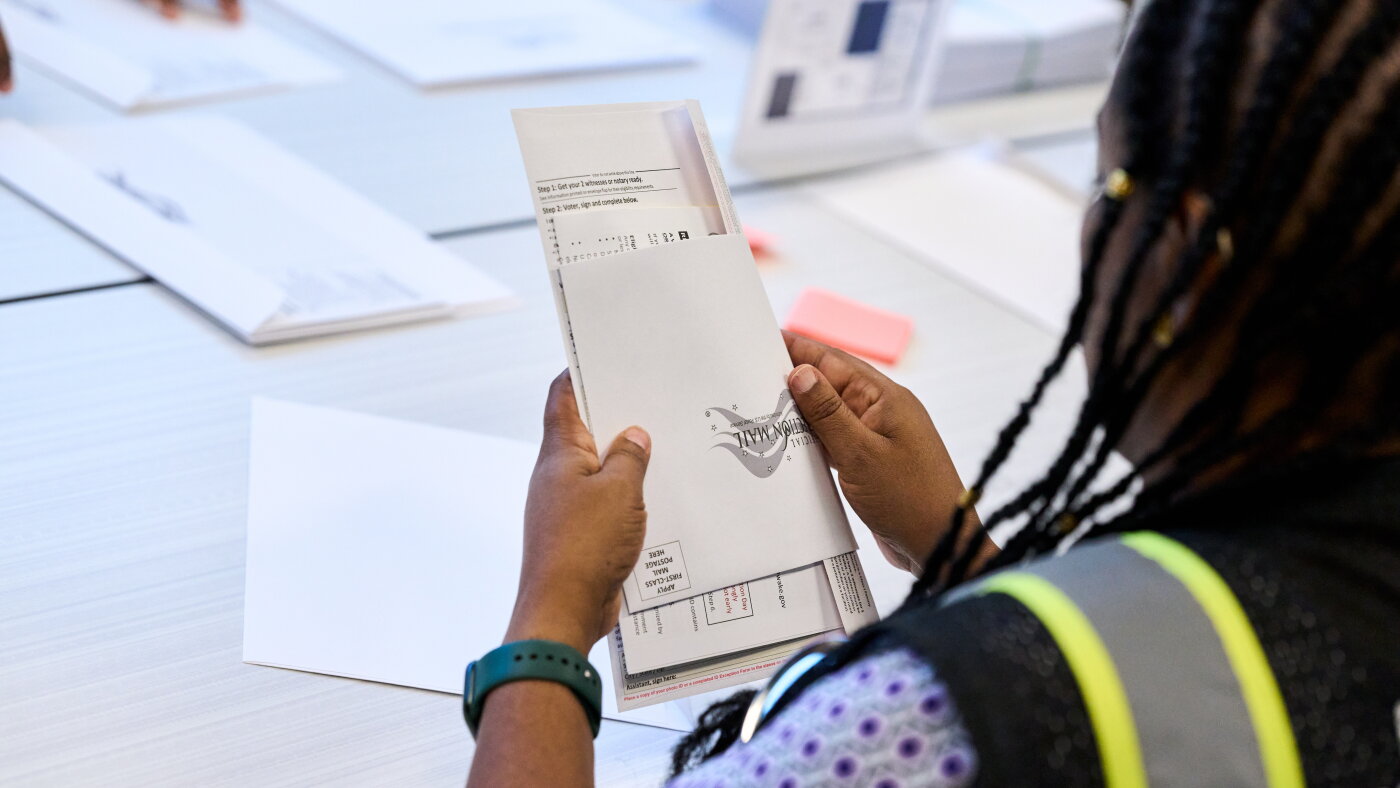
Voters who rely on mail-in ballots face an increased risk of rejection if their ballots arrive with late postmarks, a consequence of operational changes implemented by the U.S. Postal Service. The situation has prompted election officials nationwide to encourage voters to consider submitting ballots through in-person methods, such as local election office drop-offs or designated drop boxes, rather than using the mail.
The underlying issue stems from service modifications that the Postal Service began rolling out in April 2025 as part of a broader 10-year reorganization effort aimed at stabilizing the agency’s finances. The changes, collectively referred to as “Regional Transportation Optimization,” have reduced daily mail pick-ups and altered processing procedures at certain facilities, particularly in rural areas. Under the new system, envelopes may not receive a postmark on the same day they are collected by mail carriers or deposited in collection boxes, creating uncertainty about whether ballots will be postmarked by Election Day.
In response to concerns raised ahead of the general election, the Postal Service announced it would implement special postmarking procedures beginning a week before Election Day. These measures include instructions for affected post offices to separate returned ballots from general mail starting October 26 and manually apply postmarks on the day ballots are collected. However, election experts have expressed caution about the effectiveness of these procedures, noting that implementation may be uneven, particularly in locations facing staffing challenges.
Analysis of the potential impact suggests that between 43,000 and 55,000 ballots nationwide could be rejected for arriving late because of the service changes. Election officials and voter advocacy groups have raised particular concerns about vulnerable populations, including voters in remote areas and Alaska Native communities, who may struggle to navigate alternative voting methods due to geographic or operational barriers. These challenges underscore broader tensions between the Postal Service’s financial constraints and its role in facilitating access to voting.
Article Attribution | Read More at Article Source
Article summary produced by Claude AI