

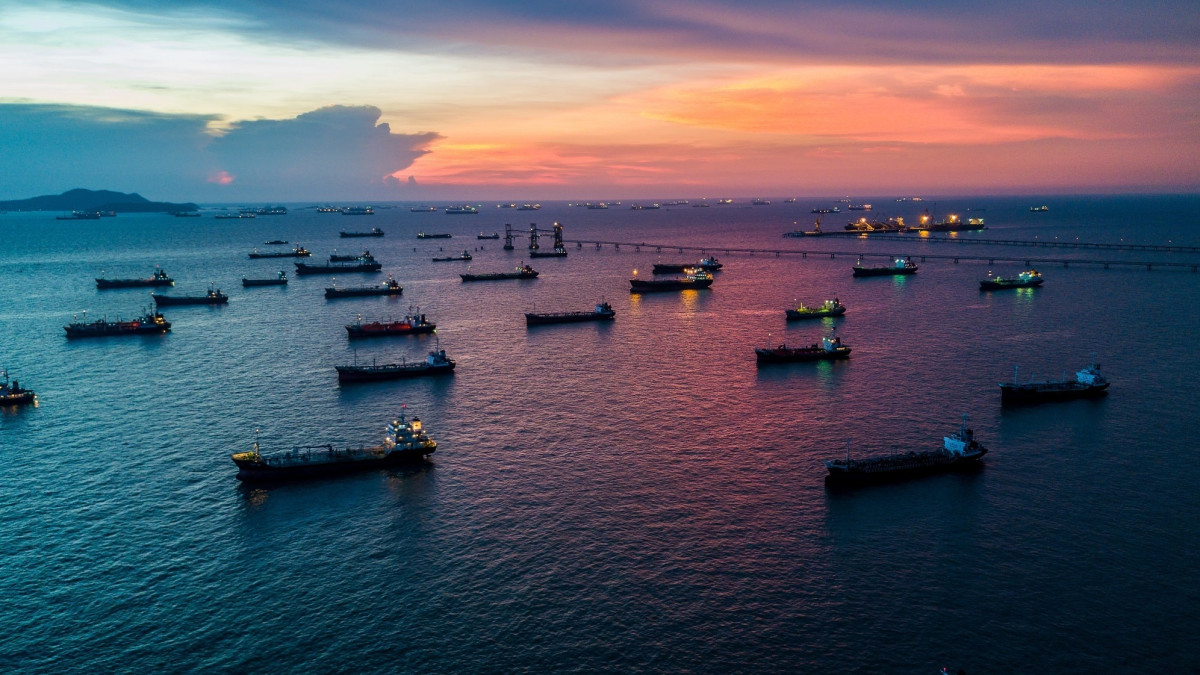
Commercial maritime shipping generates approximately 3% of global greenhouse gas emissions annually, with heavy fuel oil combustion releasing harmful pollutants including sulfur oxides, nitrogen oxides, and black carbon that degrade coastal air quality. Ships also discharge millions of gallons of contaminated bilge water into marine environments, spreading invasive species and creating pollution risks from accidental spills.
A joint paper from the British Ports Association and Lloyd’s Register indicates that advanced nuclear technologies are moving from theoretical applications toward practical implementation in the maritime sector. Potential uses include nuclear-powered vessels, floating nuclear power units, and land-based small modular reactors to supply shore power and support port operations. The analysis highlights that ports increasingly function as major electricity consumers, driven by electrified cargo-handling equipment, cold storage facilities, vessel shore power systems, electric vehicle fleets, data centers, and hydrogen production capabilities.
Historically, only four civilian nuclear-powered merchant ships have been constructed, with Russia’s Sevmorput remaining the sole commercially operational nuclear-powered vessel. Constructing a nuclear-powered container ship currently ranges between $228 million and $582 million, substantially exceeding the $119.6 million cost of conventional fuel-oil vessels. In August 2026, the Port of Corpus Christi, Texas initiated a cooperative study with the Maritime Administration examining small modular reactor applications for port microgrids and floating nuclear systems.
The research suggests that a single 100 megawatt-class reactor could theoretically satisfy the electricity requirements of a medium-sized port and associated industrial facilities. However, the paper emphasizes that nuclear deployment requires careful assessment, noting ideal candidates possess substantial electricity demand, grid constraints, nearby energy-intensive industries, adequate secure space, manageable hazards, and supportive regulatory frameworks. The authors propose a graduated approach allowing ports to progress from nuclear awareness through readiness to full operational integration.
Advanced nuclear technology offers continuous baseload power suitable for high-density industrial applications where intermittent renewable sources require extensive battery storage. Port industry leaders acknowledge that while nuclear may not suit all facilities, the sector should undertake structured planning to understand potential applications and address relevant questions during this transition toward decarbonized maritime operations.
Article Attribution | Read More at Article Source
Article summary produced by Claude AI