

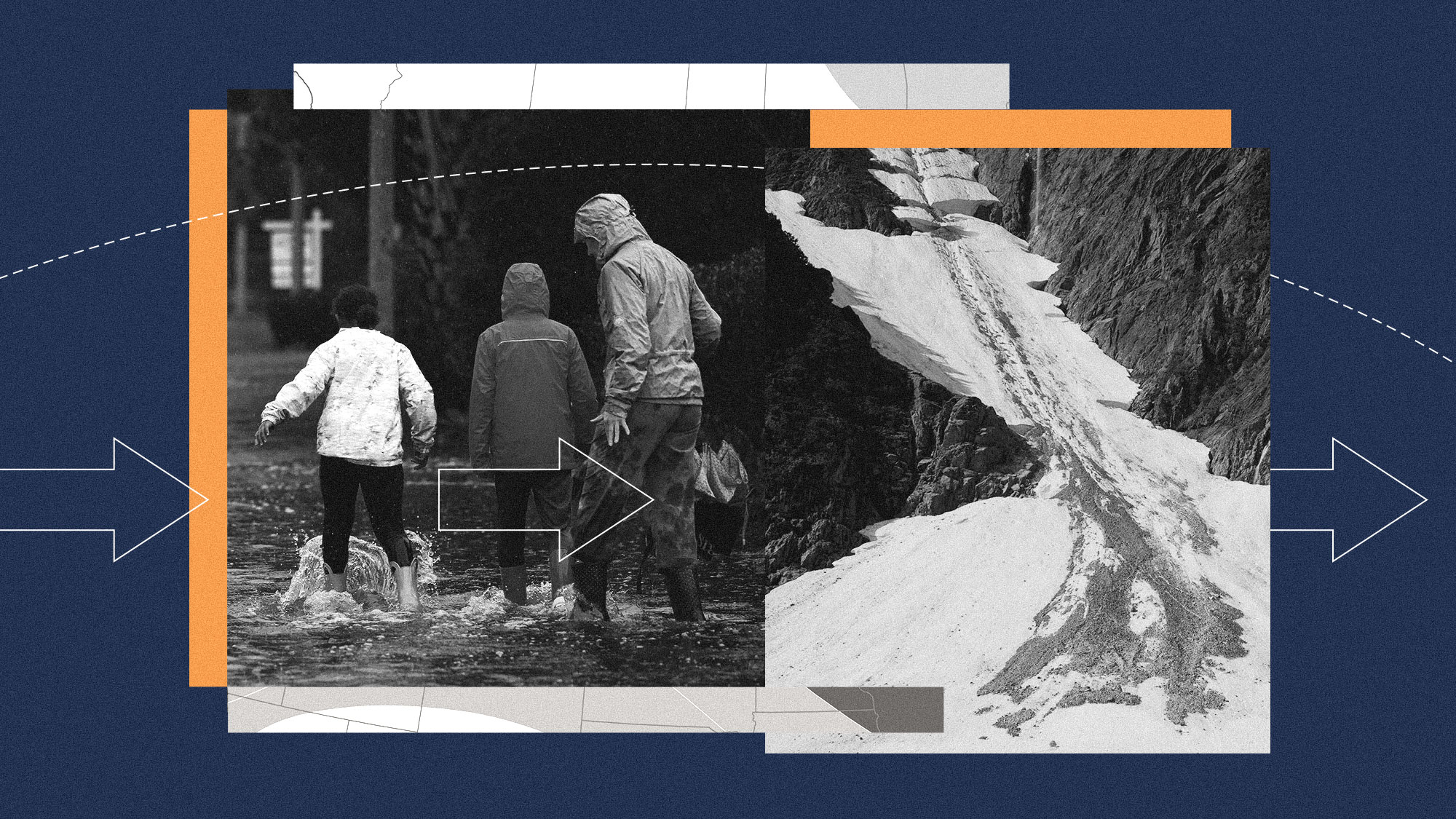
A powerful El Niño event is underway in the Pacific Ocean, marking the strongest occurrence on record, according to climate scientists. The phenomenon involves a band of warm water that forms off South America every few years, raising ocean temperatures by several degrees and injecting substantial energy into the atmosphere. Current projections indicate the event may reach its peak intensity within the next month or two.
The consequences of this El Niño are expected to be far-reaching and substantial. Scientists estimate that the additional atmospheric heat alone could result in approximately 450,000 deaths globally. Regional impacts are already emerging, with drought affecting areas like the Amazon rainforest while excessive rainfall strikes regions such as the Greater Horn of Africa. The event will interact with other atmospheric phenomena, including the polar vortex, creating unpredictable and potentially dangerous weather conditions across much of the world.
Within the United States, different regions face distinct challenges. California typically experiences increased rainfall and flooding during El Niño events. The Midwest may encounter relatively milder and drier winters, while the Southeast could face colder, wetter conditions. The complexity of atmospheric interactions means weather patterns will shift dramatically and unpredictably across various parts of the country.
Alaska faces particular vulnerability, given the region’s already accelerated warming from climate change. Strong El Niño events historically correlate with below-average snowfall in the state and warmer winter temperatures, which could intensify existing pressures from melting sea ice and thawing permafrost. Pacific island territories, including Guam and the Commonwealth of the Northern Mariana Islands, are expected to face drier conditions and stronger storm activity, compounding damage from recent typhoons and tropical storms.
Article Attribution | Read More at Article Source
Article summary produced by Claude AI