

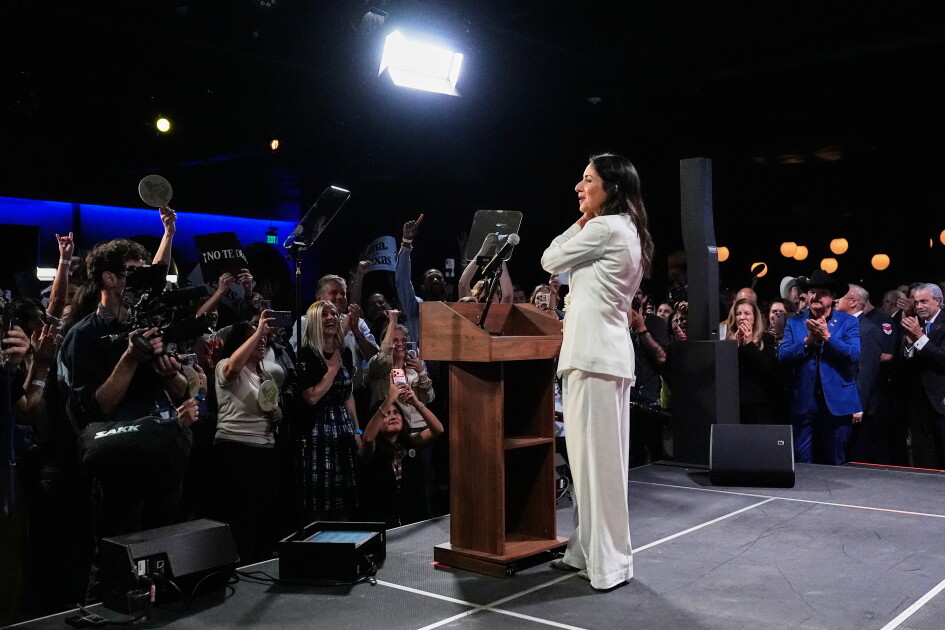
Following recent midterm elections, Democrats have secured control of several governorships in states with established private school choice programs, shifting the political landscape for education policy. The party made significant gains in gubernatorial races across states including Georgia, Iowa, Ohio, and Texas—all of which operate education savings accounts or voucher programs that Democrats attacked during their campaigns. Democratic candidates in these states emphasized support for public education and called for increased oversight of private school choice initiatives, framing them as policies benefiting wealthy families and lacking adequate accountability.
The newly elected Democratic governors have outlined varying approaches to these programs. Some, such as the incoming governor of Texas, have called for eliminating private school choice entirely. Others, including officials in Iowa and Ohio, have indicated they will implement stronger transparency requirements and expanded regulatory oversight rather than seek complete repeal. The incoming Democratic governor of Wisconsin, however, signaled during primary races that he would not eliminate his state’s voucher program, suggesting the party may pursue more moderate reforms in certain contexts.
Democrats face practical obstacles in pursuing repeal or significant restructuring of these programs. Many private school choice initiatives are now well-established with substantial enrollment, making elimination politically and legislatively challenging. Additionally, Republican control of legislative chambers in states such as Iowa, Ohio, and Texas may impede efforts to phase out or fundamentally alter existing programs. However, Democrats have positioned themselves to increase scrutiny through other elected offices—for example, the incoming Texas comptroller has committed to auditing the state’s education savings account program.
Arizona presents what may be the most vulnerable case for private school choice expansion. Democratic Governor Katie Hobbs won reelection and her party is positioned to gain control of both legislative chambers, with the governor having campaigned on implementing income restrictions and stricter oversight of the state’s billion-dollar education savings account program. School choice advocates, meanwhile, are urging caution and noting that approximately 2 million students currently participate in state private school choice programs nationwide, including low-income families and students with special needs who benefit from available scholarships.
Article Attribution | Read More at Article Source
Article summary produced by Claude AI