

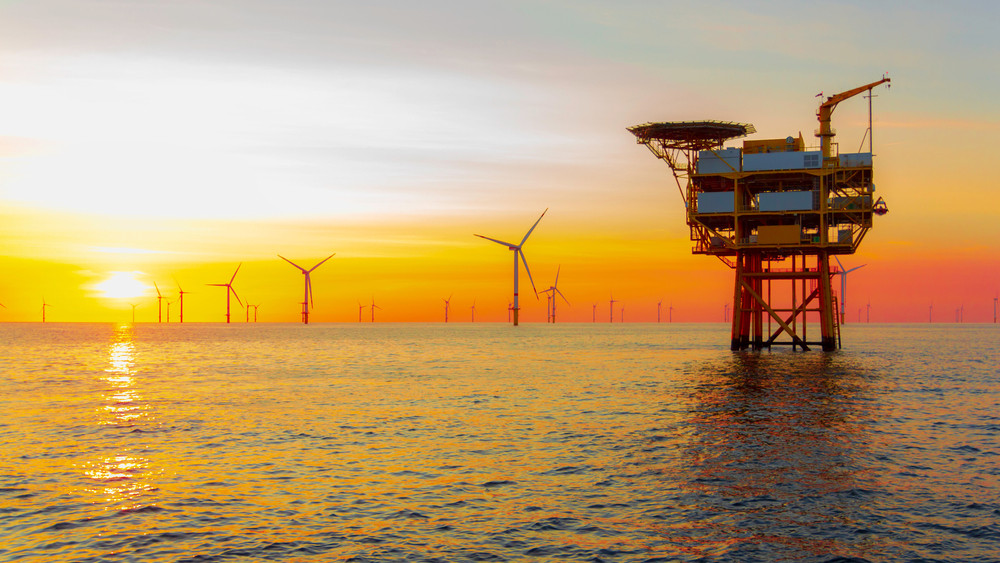
The United States has historically lagged other nations in offshore wind development, with its first commercial-scale project beginning operations in 2024. The country possesses over 4,000 gigawatts of technical resource potential in federal waters and the Great Lakes, yet development proceeded slowly due to bureaucratic constraints and regulatory hurdles that slowed permitting processes.
The Biden-Harris administration accelerated offshore wind growth through supportive policies and investments. The administration approved 11 commercial-scale projects expected to generate 19 gigawatts of capacity and introduced the Inflation Reduction Act in August 2022, which offered economic incentives attracting major international companies including Ørsted, Iberdrola, and Equinor to commit billions in investment. The Biden administration set a target of 30 gigawatts deployed by 2030.
When the Trump administration took office in January 2025, the trajectory shifted markedly. The administration issued orders halting wind project development and operation, prompting numerous lawsuits. However, federal courts have intervened in multiple instances, with judges blocking or suspending Trump administration directives and allowing operators to continue construction on approved projects. Ørsted’s Revolution Wind project came online in November, generating 704 megawatts and becoming the third utility-scale offshore wind facility to reach full commercial operations, alongside South Fork Wind and Vineyard Wind.
Projection forecasts have declined substantially since Trump took office. BloombergNEF previously projected 39 gigawatts of offshore wind capacity by 2035 but revised the forecast downward to 5.9 gigawatts, accounting for completed and under-construction projects. Despite administration opposition and frozen licensing approvals, this revised forecast represents substantial growth from the 30 megawatts operational in 2016, reflecting continued private sector commitment and judicial support for offshore wind development.
Article Attribution | Read More at Article Source
Article summary produced by Claude AI