

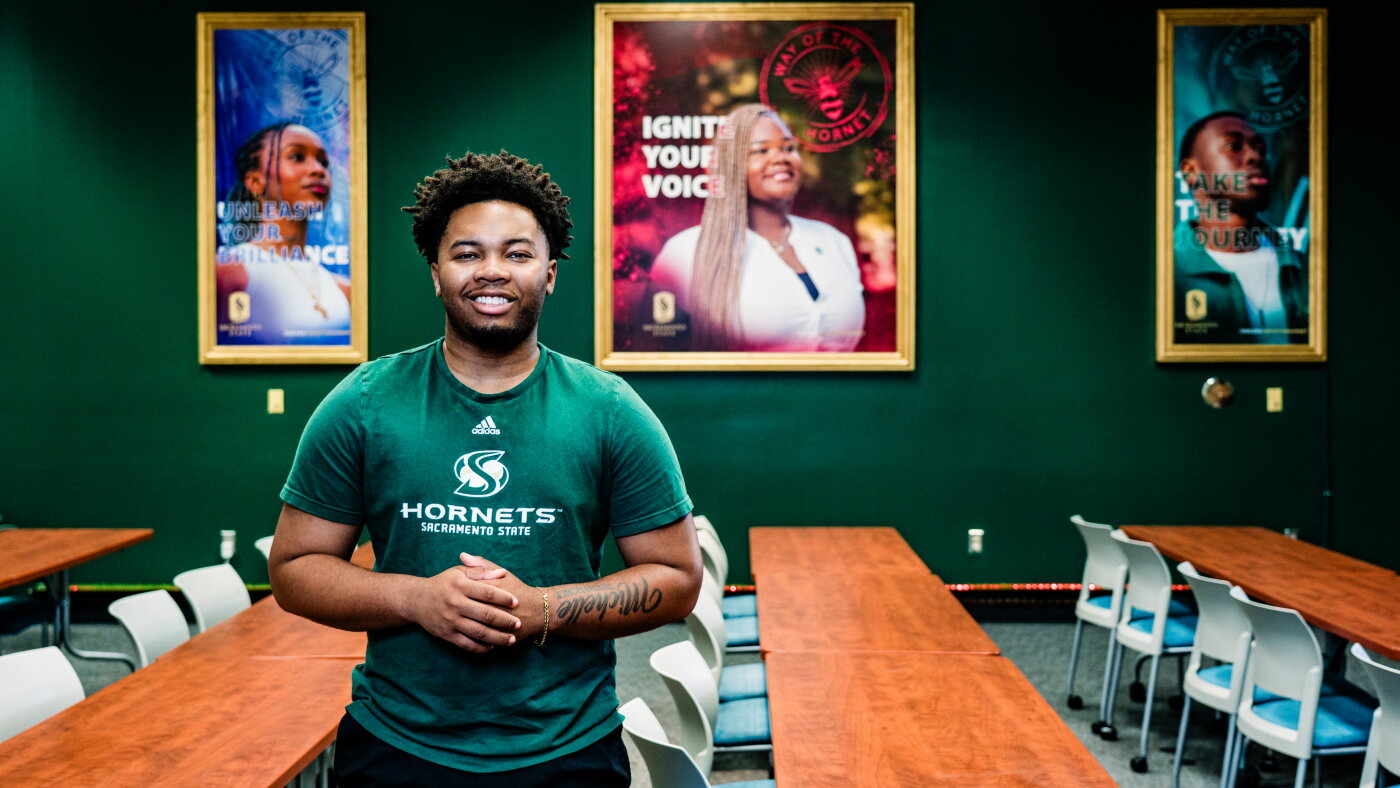
Sacramento State University has established a Black Honors College that has grown to serve more than 800 enrolled students in its third year of operation. The initiative functions as a school within the larger institution, offering courses taught from a Black studies perspective and faculty selected based on demonstrated success in educating Black students. While the majority of participants identify as Black or African-American, the program remains open to students of all racial backgrounds who seek the specialized academic experience.
The Black Honors College emerged just before the Trump administration intensified efforts to challenge diversity, equity and inclusion programs across higher education. University President Luke Wood, who helped establish the program, framed it as a necessary intervention to address historical gaps in student success and to meet the specific needs of Black students. The college functions as both an academic program and a community hub, with dedicated office space in the library where students can access advising, support services, and interact with faculty.
Students report that participation has meaningfully shaped their college experience. One junior credited the program with helping her connect with her Black identity and develop creative expression through campus entrepreneurship. Another student, who had sought admission to a historically Black college but found none available in California, described the Black Honors College as a valuable alternative to a more general multicultural environment.
The program faces the broader national context of reduced funding and scrutiny for race-focused academic initiatives. Following the 2023 Supreme Court decision restricting affirmative action and subsequent Trump administration actions targeting race-based programs, numerous universities have scaled back similar offerings. Sacramento State’s leadership maintains that the Black Honors College complies with federal and state law by remaining open to all students regardless of race, while intentionally designing curriculum and support structures to benefit Black student populations.
Program leadership has identified gender as an emerging focus area, with women currently comprising a majority of enrollees. Administrators plan to recruit more male students through targeted mentorship and role models designed to support male student success and retention within the program.
Article Attribution | Read More at Article Source
Article summary produced by Claude AI