

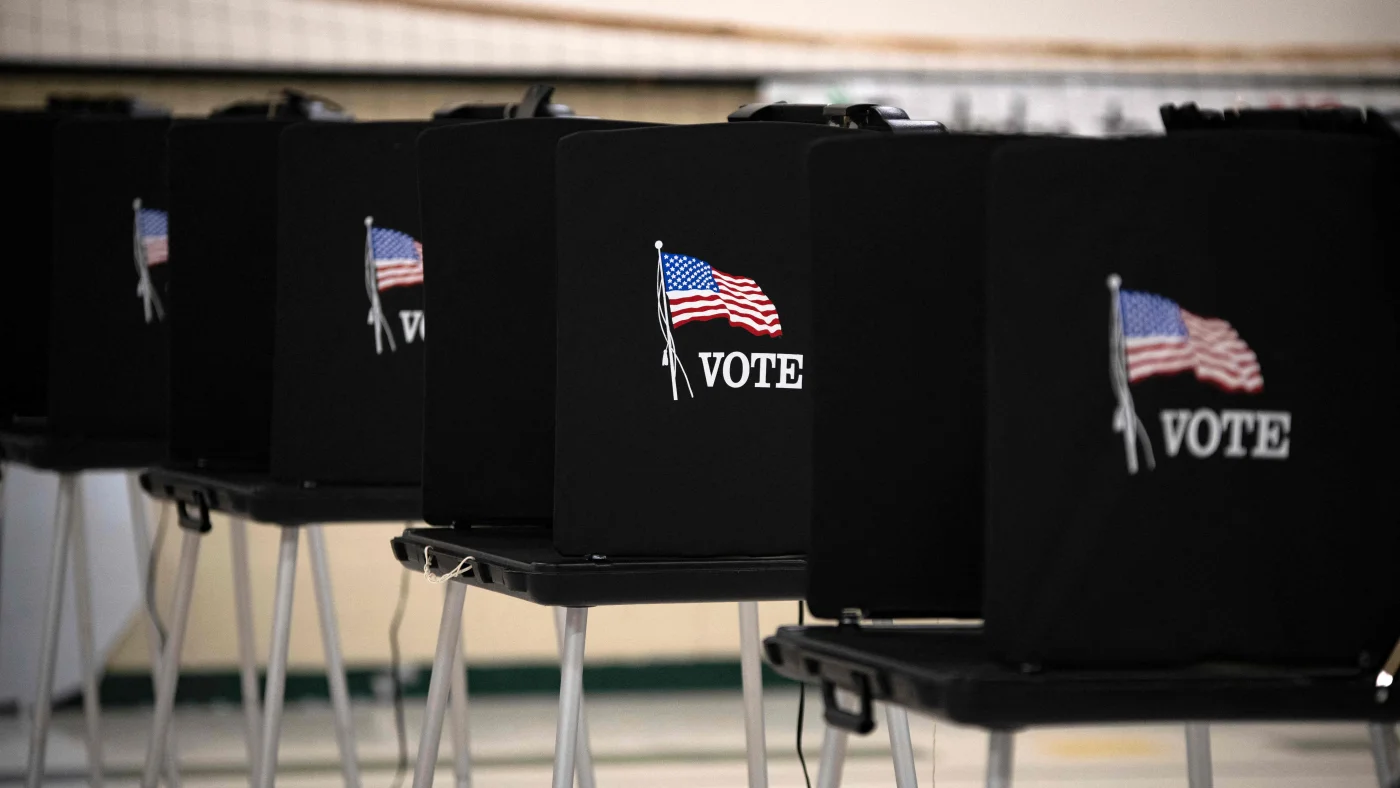
A coalition of states has advanced an interstate agreement designed to redirect electoral votes toward the winner of the national popular vote rather than individual state outcomes. Currently, 18 states and the District of Columbia participate in the National Popular Vote Interstate Compact, collectively representing 222 electoral votes. Following recent electoral developments, five additional states expected to come under full Democratic control—Arizona, Pennsylvania, Michigan, Nevada, and Wisconsin—possess 61 electoral votes combined. Supporters of the effort contend that combining these states would exceed the 270 electoral votes required to activate the compact.
Governors in Pennsylvania and Nevada have indicated openness to the agreement, while other state leaders have not publicly disclosed their positions. Some Democratic officials who previously supported the measure have become less vocal about their stance, complicating momentum. The question of whether battleground states would voluntarily cede their outsized electoral influence remains unresolved, as does the broader political calculation of whether to pursue this initiative ahead of the 2028 presidential election.
Constitutional and practical challenges pose significant obstacles to implementation. Legal scholars have raised questions about whether the interstate compact complies with the Constitution’s compact clause, which restricts state agreements without congressional consent. Constitutional law professor Norman Miller noted that the arrangement could create tensions with the decentralized nature of U.S. elections, as states maintain independent authority over voting procedures. The prospect of coordinating voting standards across 51 separate election administrators, critics argue, could introduce complications absent from the current system.
Proponents counter that existing state and federal legal frameworks already provide for certified vote counts, requiring only aggregation. The debate also reflects broader disagreements over whether fundamental electoral reform should proceed through an interstate compact or through constitutional amendment procedures. Some observers argue that given the magnitude of such change, formal amendment processes would be more appropriate, though historical precedent suggests amending the Constitution to eliminate the Electoral College faces substantial hurdles. Supporters of the compact view it as a pragmatic solution to an issue they contend many voters support.
Article Attribution | Read More at Article Source
Article summary produced by Claude AI