

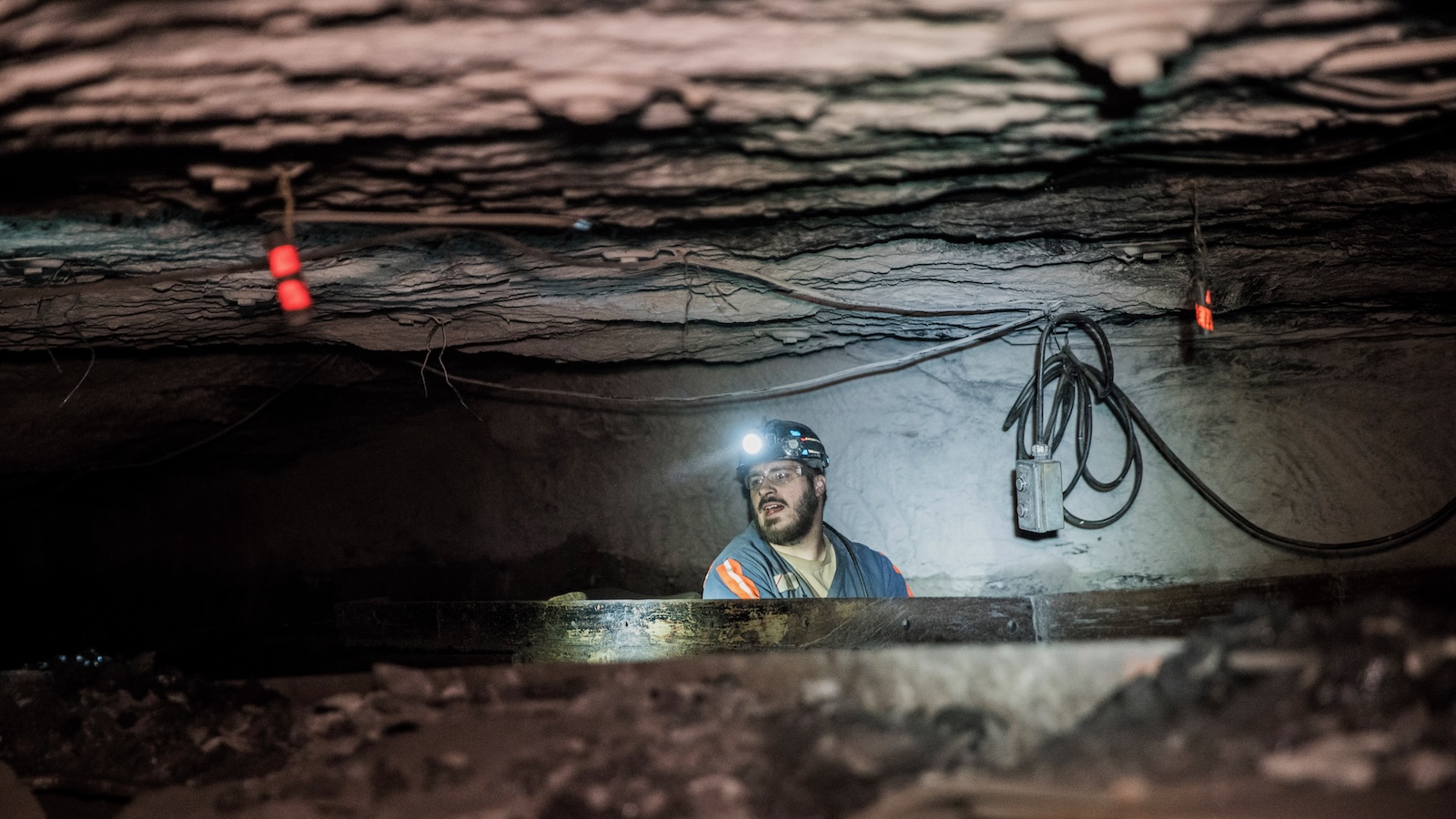
Black lung disease, caused by inhaling coal dust and silica particles, has reached a 50-year high among coal miners in the United States, particularly in Central Appalachia. Recent screening data shows that more than one in three miners in this region tested positive for the disease within the past three years, with cases appearing across all age groups. The disease, medically known as coal worker’s pneumoconiosis, is incurable and progressive, causing severe lung inflammation, scarring, and tissue stiffening that eventually leads to severe respiratory difficulty and death.
In 2024, the Biden administration finalized new protections setting the permissible exposure limit for respirable crystalline silica at 50 micrograms per cubic meter of air, matching standards applied to other industries. Coal companies were required to begin complying in April 2025. However, a federal appeals court subsequently placed the rule on hold while considering legal challenges from the mining industry. The Mine Safety and Health Administration now proposes revisions that retain the 50-microgram limit while modifying several key enforcement and monitoring mechanisms.
According to policy advocates, the proposed changes would substantially weaken worker protections despite maintaining the numerical threshold. The revisions include introducing a 21 percent margin of error in testing, effectively allowing workers to be exposed to approximately 10 micrograms more than the stated limit before companies face penalties. The proposal also eliminates the requirement for air sampling every six months, instead permitting mine operators to determine testing frequency themselves based on their assessment of changing conditions. Additionally, medical examinations would become voluntary rather than mandatory for new metal and nonmetal miners, eliminating baseline health assessments that help determine whether lung disease developed from workplace exposure.
Miner advocates and health professionals have expressed concern about these modifications. John Robinson, vice president of the National Black Lung Association and himself diagnosed with black lung at age 47, emphasized that mining companies prioritize short-term worker recruitment over long-term health consequences. The proposed rule was published in the Federal Register on November 12 and will accept public comments until January 11.
Article Attribution | Read More at Article Source
Article summary produced by Claude AI