

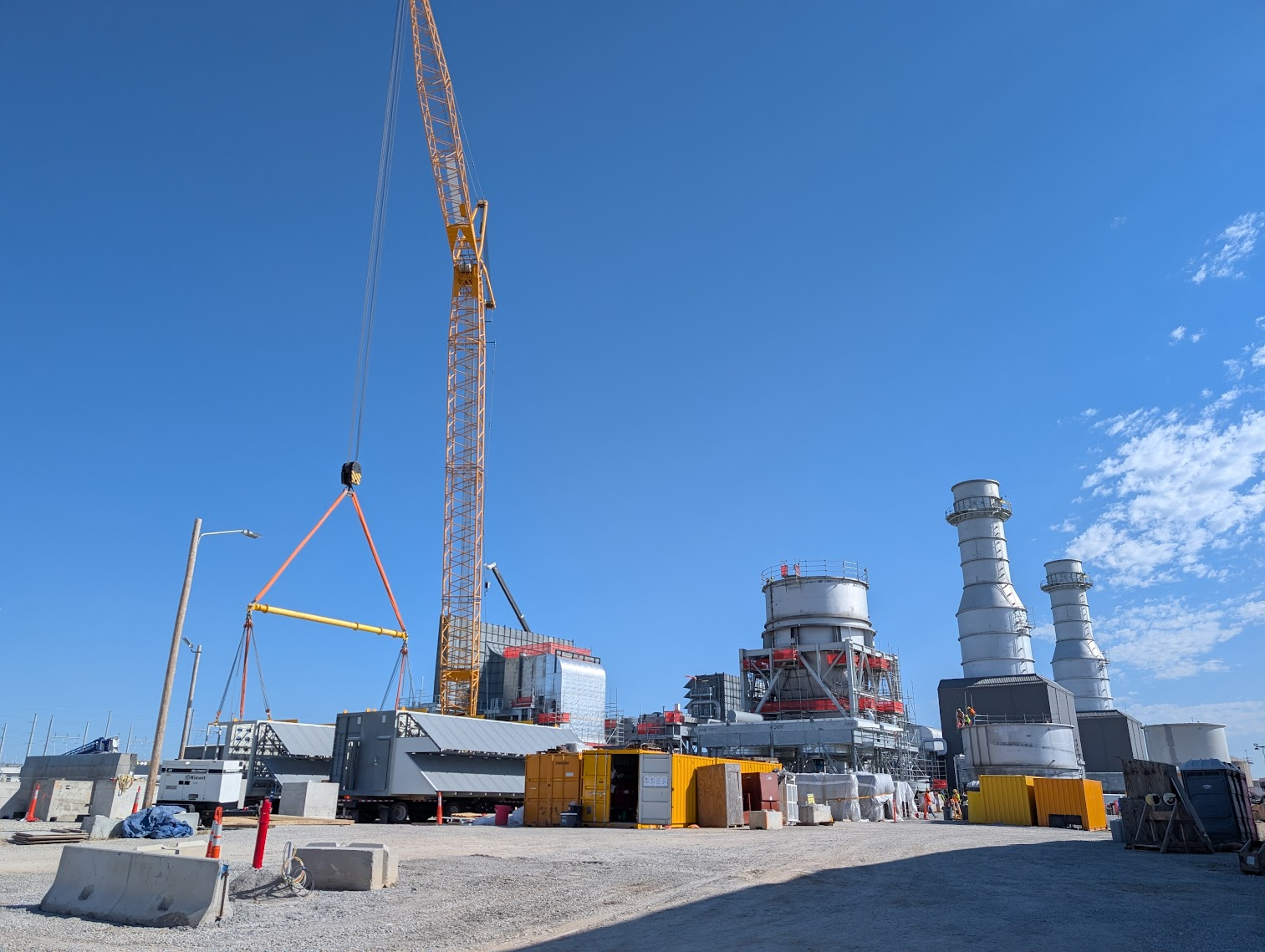
The Omaha Public Power District, which serves approximately 419,000 customers across eastern Nebraska, is confronting significant limitations in available energy capacity that could hinder the region’s economic expansion. The utility currently projects it has less than 100 megawatts of available power capacity for new or expanding large customers over the next several years, a constraint that could prevent projects requiring 2 megawatts or more from receiving service. This shortage stems from a combination of factors, including aging power infrastructure, sustained growth in energy demand, and climate impacts on the electrical grid.
The capacity crunch has roots in Winter Storm Uri in 2021, when utilities across the country, including OPPD, struggled to meet demand during extreme weather. Following that crisis, grid reliability regulators required utilities to maintain higher power reserves. Since then, rapid expansion in data centers, electrification initiatives, and industrial growth have created unprecedented demand spikes that utilities nationwide struggle to accommodate. The situation is particularly acute in the Omaha area, where companies with approximately 2,000 megawatts of planned economic development projects are queued through 2031, with an additional 5,000 megawatts of potential projects under consideration.
OPPD leadership must decide whether to expand its current 4,583-megawatt energy portfolio by 1,000 megawatts or potentially more than double it. This represents a complex tradeoff: building too small risks repeating capacity shortages and losing economic opportunities, while overbuilding could burden ratepayers with unnecessary costs if anticipated projects fail to materialize. Industrial demand is projected to rise from 32 percent of peak demand currently to 52 percent by 2035, largely driven by data center development.
Economic development officials express concern that capacity limitations will disadvantage the Omaha area and Nebraska in attracting businesses and job creation, particularly as the state faces a projected budget deficit. OPPD leadership has indicated that finding additional capacity from other utilities is not feasible, as regional peers face identical constraints. Regional business leaders and utility board members are calling for closer coordination between OPPD and state and local government officials to establish clear economic development priorities that can inform the utility’s expansion planning decisions.
Article Attribution | Read More at Article Source
Article summary produced by Claude AI