

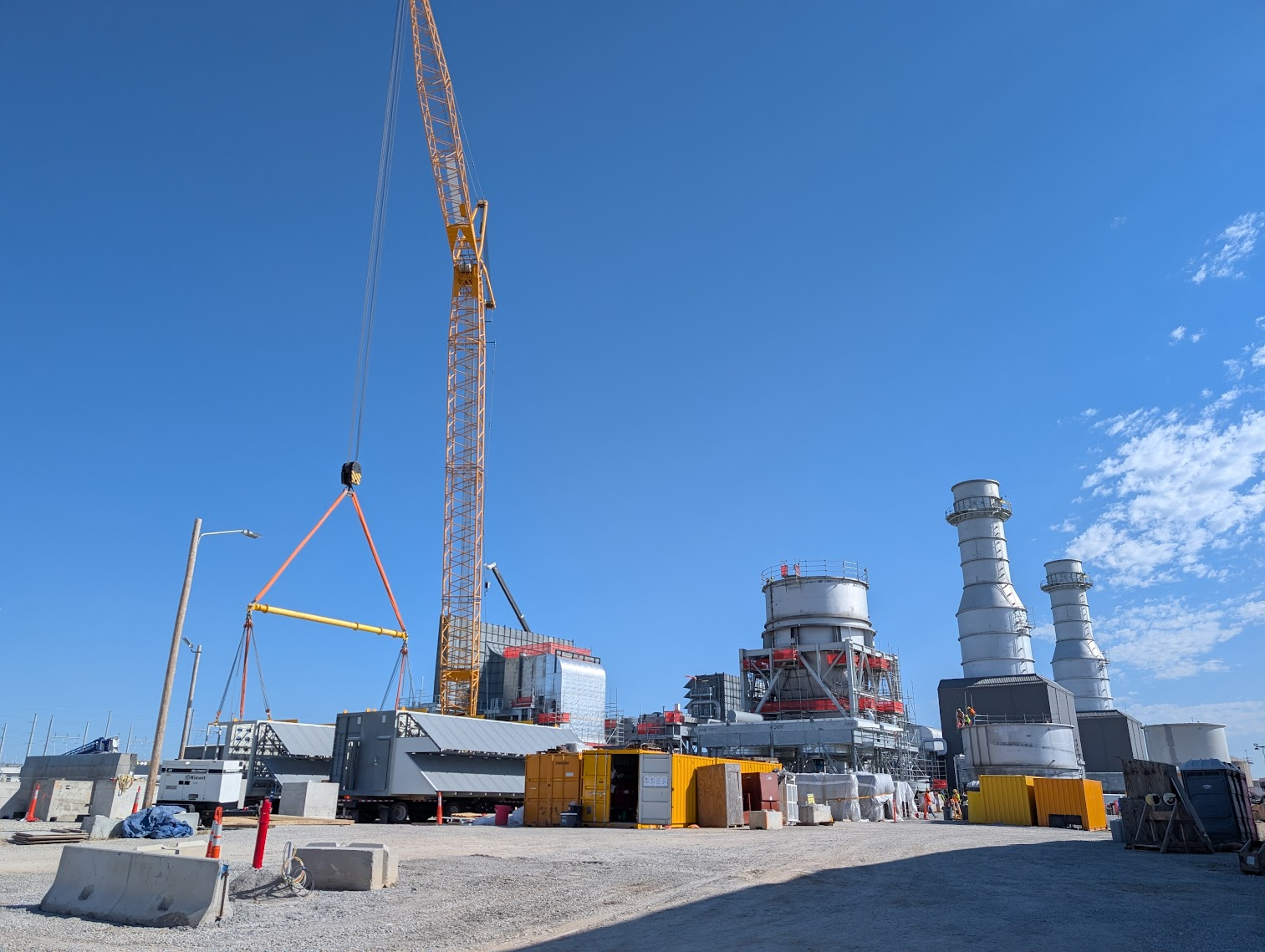
The Omaha Public Power District faces significant constraints in its ability to serve new and expanding businesses across eastern Nebraska, with available energy capacity for large customers projected to fall below 100 megawatts over the next several years. This shortage comes as the region experiences increased demand from data centers, manufacturing facilities, and other industrial growth, creating competition for limited power resources. The utility currently serves approximately 419,000 customers and projects that projects requiring 2 megawatts or more may face delays in receiving service.
The capacity challenges stem from multiple factors affecting utilities nationwide: aging power generation and transmission infrastructure, continued growth in electricity demand, and climate-related strain on electrical grids. The situation was exacerbated by lessons learned from Winter Storm Uri in 2021, when rolling blackouts occurred in the region and grid reliability requirements were subsequently increased. Meanwhile, renewable energy projects that could help address capacity shortfalls face local opposition in Nebraska communities.
Economic development leaders express concern that constrained power availability could disadvantage the Omaha area and Nebraska in attracting businesses and creating jobs, particularly as the state faces budgetary challenges. Companies with nearly 2,000 megawatts of development projects are currently queued through 2031, with another 5,000 megawatts of potential projects under consideration. The utility’s board must decide whether to expand capacity by approximately 1,000 megawatts at minimum, or potentially more than double the current portfolio of 4,583 megawatts.
OPPD leadership indicates the utility is exploring options to acquire capacity from other utilities, though industry-wide shortages limit this possibility. The board faces a difficult decision: building insufficient capacity risks future economic constraints, while overbuilding could burden ratepayers with unnecessary costs if demand projections prove optimistic. Officials have called for coordinated planning between state, county, and local leaders to provide clearer guidance on regional growth expectations and energy needs.
Article Attribution | Read More at Article Source
Article summary produced by Claude AI