

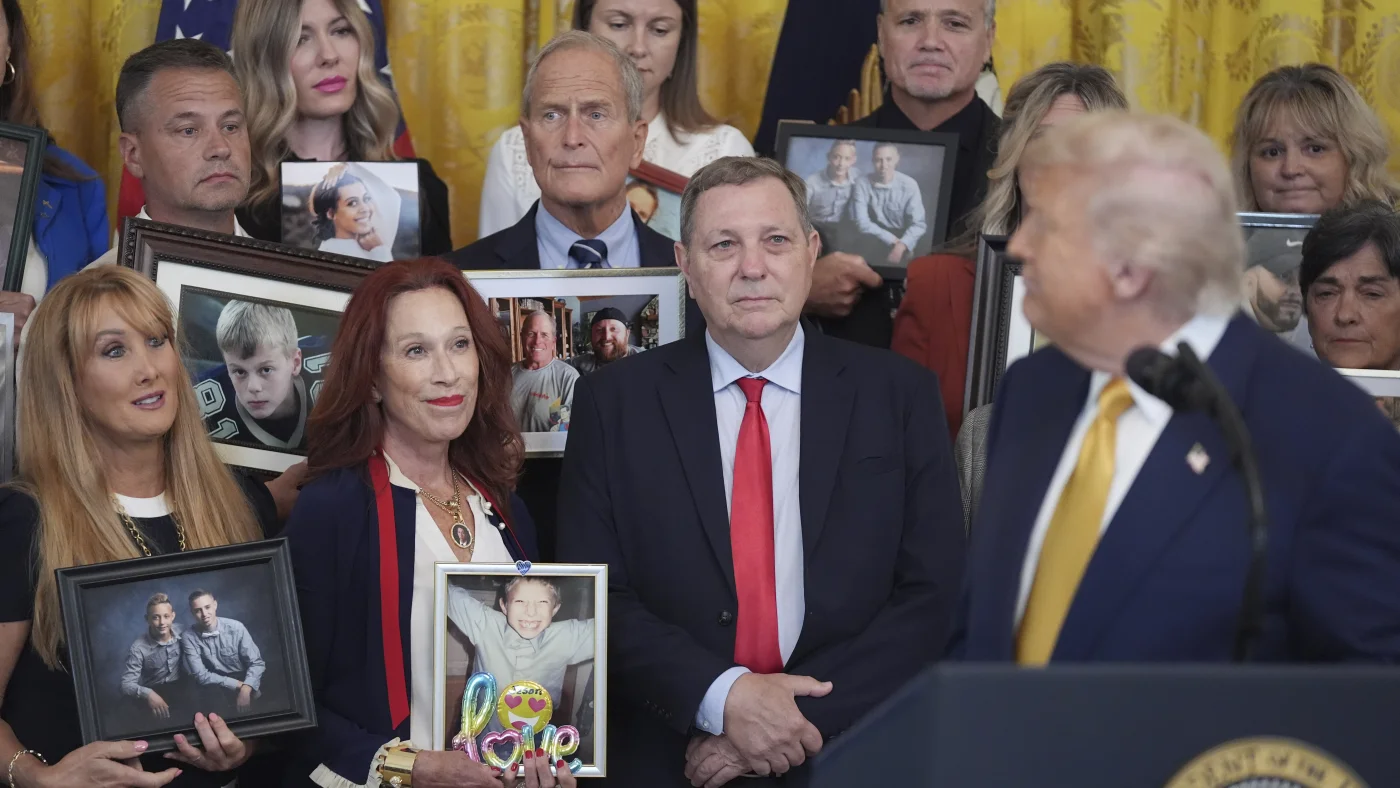
The White House announced significant reductions in drug overdose fatalities this week, citing new data from the Centers for Disease Control and Prevention showing U.S. deaths have declined to their lowest level in approximately a decade. The administration credited heightened border security and efforts against drug trafficking organizations under President Trump’s leadership, with officials attributing the gains primarily to policies implemented over the last 18 months.
However, drug policy researchers have challenged the accuracy of this characterization. According to multiple experts and CDC data, overdose death declines began substantially earlier, in 2023 during the Biden administration, and continued for at least 39 consecutive months. By the time the Biden presidency ended, fatal overdoses had already dropped by roughly one-third. Some researchers noted the downward trend began in certain regions and demographic groups as early as 2021, gaining momentum nationally afterward.
Experts credited the Biden administration’s approach to the initial decline, citing wider access to healthcare, increased distribution of naloxone, and successful negotiations with China to disrupt the supply of industrial chemicals used in fentanyl production. The administration also achieved significant drug interdiction successes against Mexican cartels. Researchers emphasize understanding the accurate timeline remains important as scientists continue investigating why fentanyl deaths surged and subsequently declined.
The Trump administration countered that Biden should not receive credit for overseeing peak overdose numbers before reductions began. Officials stated the current administration is positioned to build on reductions through continued border security measures and efforts against drug trafficking organizations. However, drug policy experts at institutions including Brookings Institution expressed skepticism about claims of dismantling major narco-terrorist organizations, noting they continue operating and smuggling drugs actively.
Researchers have also raised concerns about potential setbacks from proposed Medicaid cuts, noting the program serves as the largest funder of addiction services in the country. The Congressional Budget Office estimates the cuts could result in approximately 10 million Americans losing health insurance coverage, potentially limiting access to addiction treatment services.
Article Attribution | Read More at Article Source
Article summary produced by Claude AI