

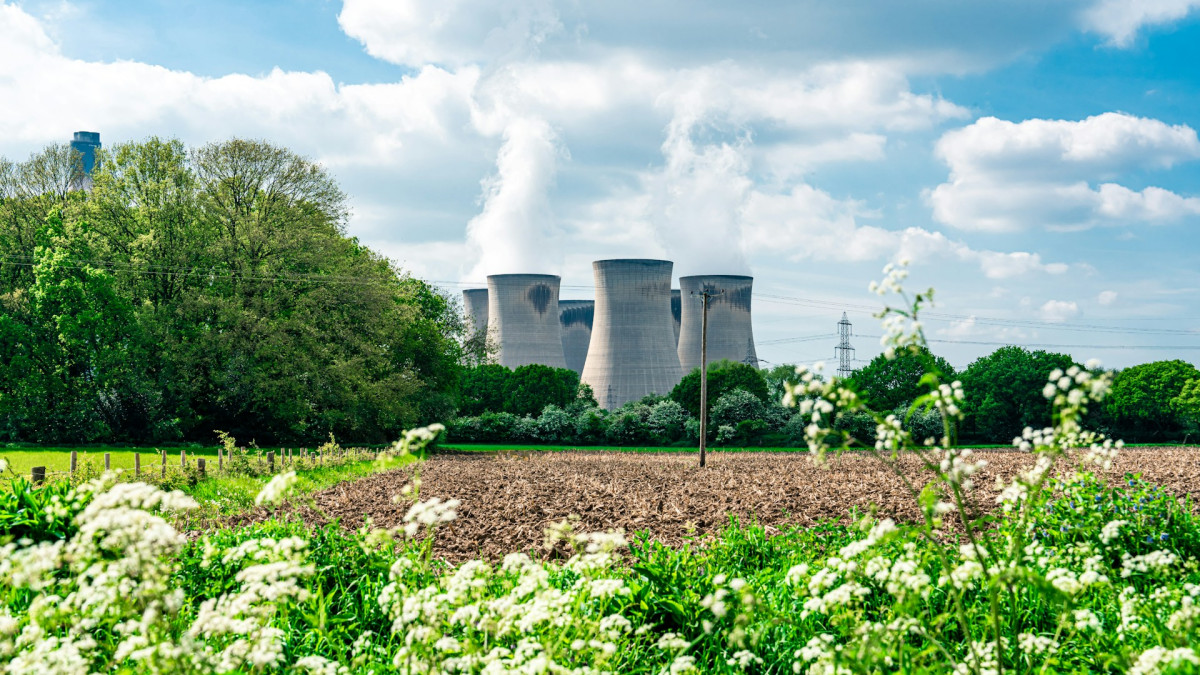
Asian countries are leading global nuclear power expansion, with 66 gigawatts of the 91 gigawatts currently under construction worldwide located in the region, according to data from the Global Energy Monitor. This surge reflects a strategic shift toward energy independence following geopolitical disruptions and elevated prices for oil and liquefied natural gas, particularly in the wake of regional crises that affected energy markets.
China dominates the nuclear construction landscape with more than 43 gigawatts under development, followed by India with 6.6 gigawatts, Japan with 6.1 gigawatts, and South Korea with 5.6 gigawatts. These four nations represent the world’s top nuclear power developers. China’s approach encompasses simultaneous expansion across multiple energy sources—coal, renewables, and nuclear—to meet rising electricity demand while reducing reliance on imported fossil fuels.
India has set an ambitious target to increase its nuclear capacity to 100 gigawatts by 2047, up from its current 8.8 gigawatts. This objective gained momentum when the government approved the Atomic Energy Bill at the end of 2025, permitting private sector participation in nuclear energy development for the first time. The nation also plans to construct five small modular reactors domestically by 2033.
Japan and South Korea, major liquefied natural gas importers, are also expanding nuclear infrastructure despite their developed economy status. Japan has reversed its post-Fukushima nuclear policy and aims to increase nuclear’s share of electricity generation to 20 percent by 2040, compared to below 10 percent presently. Neither country plans new coal-fired facilities, though both expect increased coal reliance during the current winter due to supply constraints.
The combined expansion of nuclear capacity and renewable energy sources across Asia is expected to reshape long-term demand patterns for fossil fuels, particularly natural gas and coal, in the region’s economies. Construction timelines for nuclear projects extend over several years, but their eventual completion alongside rapid renewable energy deployment could significantly alter Asia’s energy mix and import requirements.
Article Attribution | Read More at Article Source
Article summary produced by Claude AI