

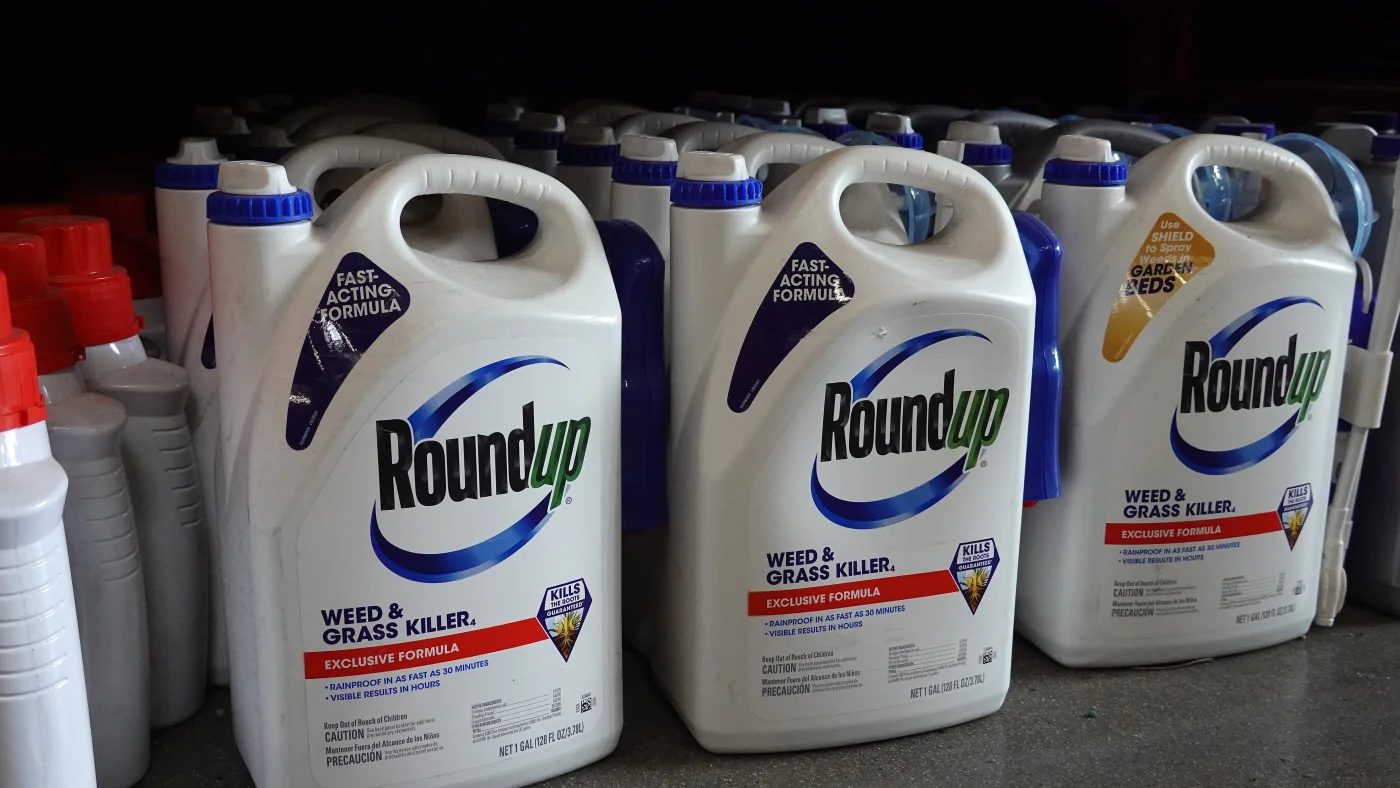
Bayer reached a major settlement Friday after a Missouri circuit court judge granted final approval to a nationwide lawsuit resolution involving thousands of plaintiffs who alleged that exposure to Roundup caused them to develop non-Hodgkin lymphoma. The agreement could cost the German agrochemical giant up to $7.25 billion over the coming years. Affected individuals stand to receive compensation ranging from $10,000 to $165,000 based on factors including their occupational exposure to glyphosate, the age at which they received their diagnosis, and other circumstances.
Glyphosate serves as the primary active ingredient in Roundup, the world’s most widely used herbicide. The settlement addresses claims that the company failed to adequately warn consumers about potential cancer risks associated with the product. Presiding Judge Timothy Boyer characterized the resolution as among the largest mass tort personal-injury class action settlements in history. Bayer CEO Bill Anderson described it as a decisive step that would mitigate risks from additional litigation.
This latest settlement follows a previous agreement in which Bayer committed to pay between approximately $10 billion and $11 billion to resolve more than 100,000 related claims. Earlier this year, the U.S. Supreme Court ruled in Bayer’s favor, determining that the company could be shielded from state court lawsuits over glyphosate-related allegations.
The World Health Organization’s cancer research agency concluded more than a decade ago that glyphosate is probably carcinogenic to humans, a position reinforced by prominent environmental health scientists as recently as this year. However, the Environmental Protection Agency has stated it identified no cancer-related risks from glyphosate uses, though the agency is currently reviewing evidence regarding human health impacts. Bayer has maintained that its product does not cause cancer. The company previously removed glyphosate from residential products sold in the United States, though it remains available for agricultural applications.
Article Attribution | Read More at Article Source
Article summary produced by Claude AI