

The COP31 United Nations climate conference, scheduled for November 9 to 20, 2026 in Antalya, Türkiye, will prioritize electrification as a central topic. Host officials plan to encourage participating nations to commit to reaching 35 percent electrification globally by 2035, a target previously considered ambitious but now viewed as feasible by experts.
Multiple factors have shifted the feasibility calculus. Volatility in oil and gas markets, driven by geopolitical tensions including the closure of the Strait of Hormuz, has intensified the search for energy alternatives among importing nations. The disruption of one-fifth of the world’s oil and gas trade through the strategic waterway prompted countries to prioritize domestic renewable energy development as a matter of energy security and independence.
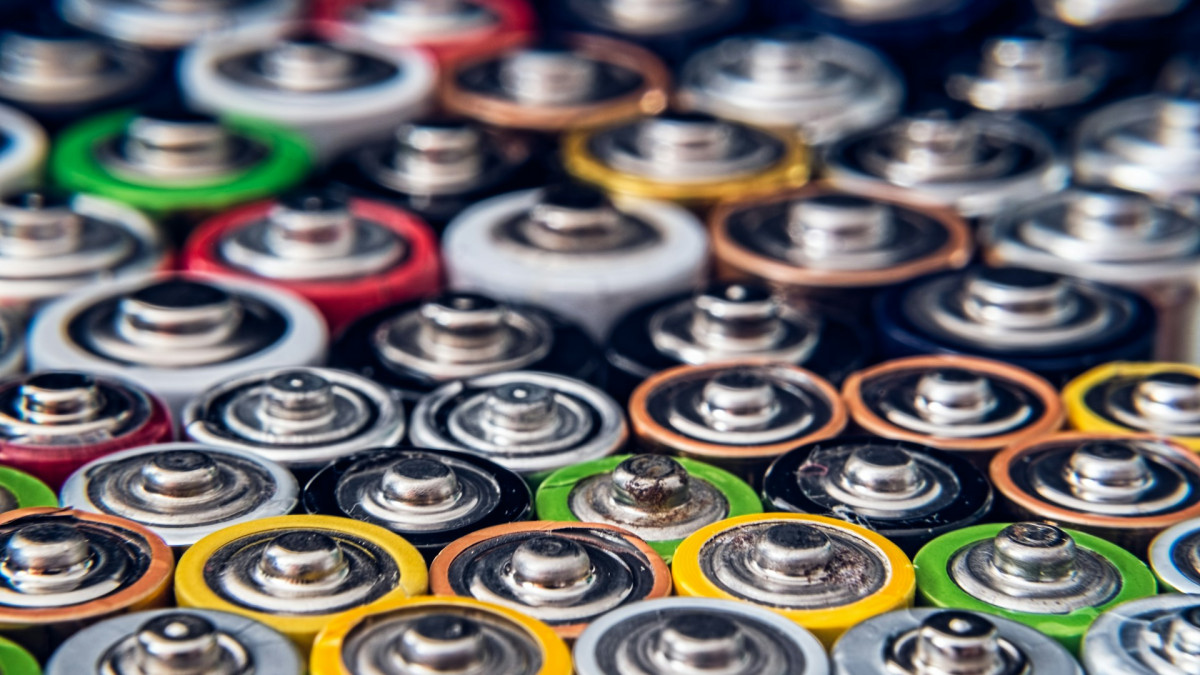
Batteries and energy storage systems have emerged as critical enabling technologies for this transition. Recent cost reductions and scalability improvements in battery storage address a fundamental challenge of renewable energy integration: managing grid stability amid intermittent generation sources like wind and solar. The United States recorded 20.2 gigawatt-hours of energy storage expansion in the second quarter, bringing this year’s total additions to 30.8 GWh, with battery systems supplying more electricity during the year’s first eight months than throughout all of 2025.
The cost competitiveness of solar and battery technologies, bolstered by manufacturing capacity in China, has catalyzed rapid adoption globally. Several developing and emerging economies including Pakistan, Brazil, Chile, El Salvador, Morocco, Kenya, and Namibia have accelerated their clean energy transitions faster than the United States, with rooftop solar and battery systems becoming viable alternatives to traditional grid infrastructure in regions with limited existing power networks.
Article Attribution | Read More at Article Source
Article summary produced by Claude AI