

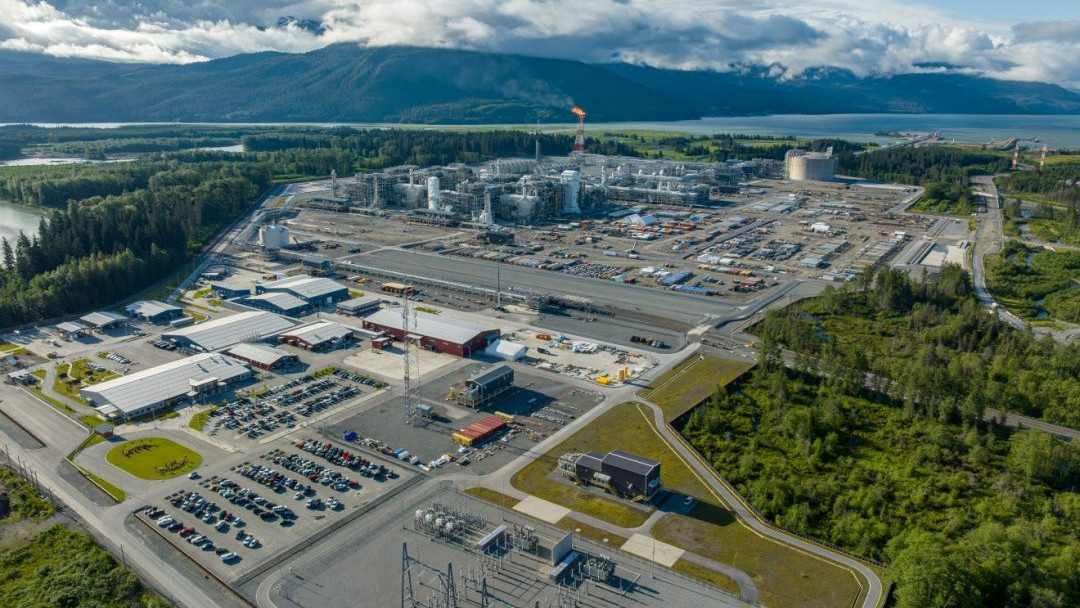
Canada is pursuing a strategic shift in its energy export policy, targeting markets beyond the United States amid escalating trade tensions. The government aims to redirect 55% of natural gas exports to other countries by the mid-2030s, compared to current levels where the U.S. receives virtually all Canadian natural gas shipments. Germany’s state-owned utility Uniper has committed to a 20-year liquefied natural gas agreement with a planned British Columbia terminal, while Canadian authorities have fast-tracked pipeline infrastructure to move Alberta crude to Pacific coastal terminals for Asian markets.
Prime Minister Mark Carney attended the Asia-Pacific Economic Cooperation summit this week, where he held bilateral discussions with Chinese President Xi Jinping and briefly met with U.S. President Donald Trump. During the meeting with Xi, the two leaders expanded their trade agreement, with China agreeing to remove or reduce tariffs on approximately $400 million in additional Canadian exports including frozen pork and seafood. Canadian shipments to China increased by nearly 40% during the first nine months of the year. The encounter with Trump was brief, with discussions focused on pursuing a mutually beneficial trade agreement.
Alberta has introduced new incentive structures to accelerate energy development, reducing royalty rates on new oil sands projects to 2% with the goal of doubling output to 8 million barrels per day by 2035. The province estimates such an expansion could generate approximately 205 billion Canadian dollars in additional government revenue by 2040. The federally designated Pacific Link pipeline project would transport up to 1 million barrels daily from Alberta to a deepwater terminal near Delta, British Columbia, with estimated costs between 35.2 billion and 43.7 billion Canadian dollars.
Canada is also expanding liquefied natural gas infrastructure, with Ottawa committing $200 million over three years to increase the capacity of the Woodfibre LNG plant near Squamish. These initiatives reflect a broader effort to attract international capital and reduce dependence on U.S. energy markets, which currently absorb 90.8% of Canadian hydrocarbon exports. Despite these diversification efforts, the United States remains Canada’s dominant energy customer, importing 3.9 million barrels of crude daily.
Article Attribution | Read More at Article Source
Article summary produced by Claude AI