

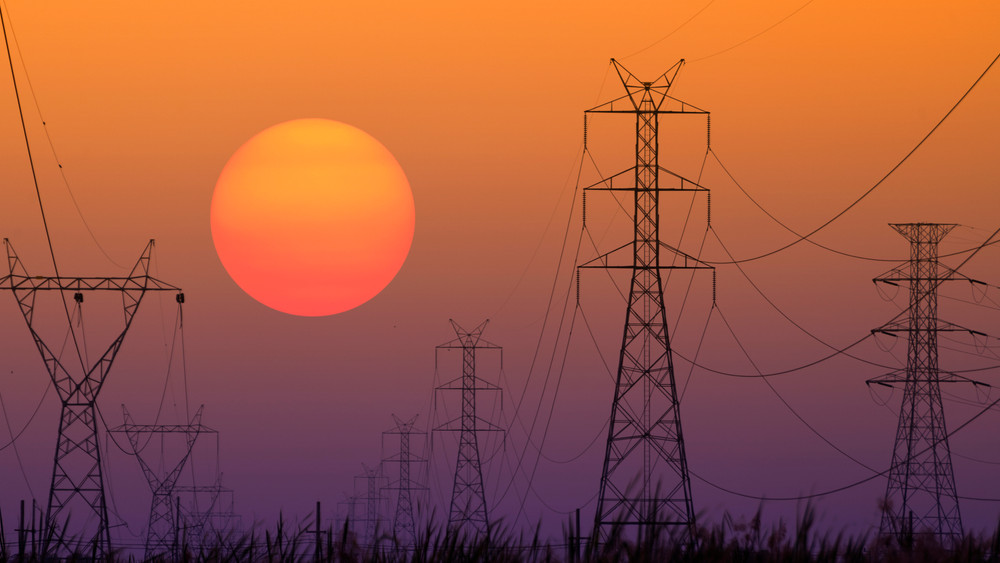
Energy officials and analysts across Central Asia are expressing concern about the region’s power infrastructure capacity heading into the winter months. Kyrgyzstan has emerged as a focal point of worry, with demand for heating and electricity increasing rapidly due to unseasonably early cold conditions affecting the nation in recent weeks.
A report released by the 24.kg news agency on October 29 cited findings from a Eurasian Development Bank study examining grid performance in 2024. The research indicated that the regional power system was regularly operating beyond safe thresholds, with loads reaching between 105 and 123 percent of allowable limits. The analysis identified specific vulnerabilities in the transmission infrastructure connecting Kazakhstan and Kyrgyzstan, as well as links between Uzbekistan and Kyrgyzstan, alongside other critical sections of the broader regional energy network.
According to the EDB study itself, the fundamental issue confronting the region is not the total amount of installed generating capacity but rather the actual availability and ability to deliver power during periods of peak demand. The research highlighted that fuel shortages, hydrological variations affecting hydroelectric output, offline thermal generation units, and bottlenecks in the transmission grid all contribute to a situation where theoretical capacity falls short of practical deliverability during critical periods.
Kyrgyzstan’s government has moved to address the situation through diplomatic engagement and policy adjustments. Energy Minister Altynbek Rysbekov held discussions with his Uzbek counterpart, Sherzod Khodjaev, in Tashkent on October 28 focused on coordination strategies for maintaining electricity stability through the winter season, though no concrete initiatives were disclosed following the meeting.
President Sadyr Japarov has also signaled his administration’s commitment to prioritizing domestic energy security by implementing restrictions on cryptocurrency mining operations. He stated that new licenses for power-intensive mining activities will not be granted until the country completes construction of planned large-scale hydroelectric facilities and ensures adequate supply for national consumption. Japarov acknowledged that mining operations provide significant tax revenue but indicated that energy capacity constraints currently preclude authorizing new operations in this sector.
Article Attribution | Read More at Article Source
Article summary produced by Claude AI