

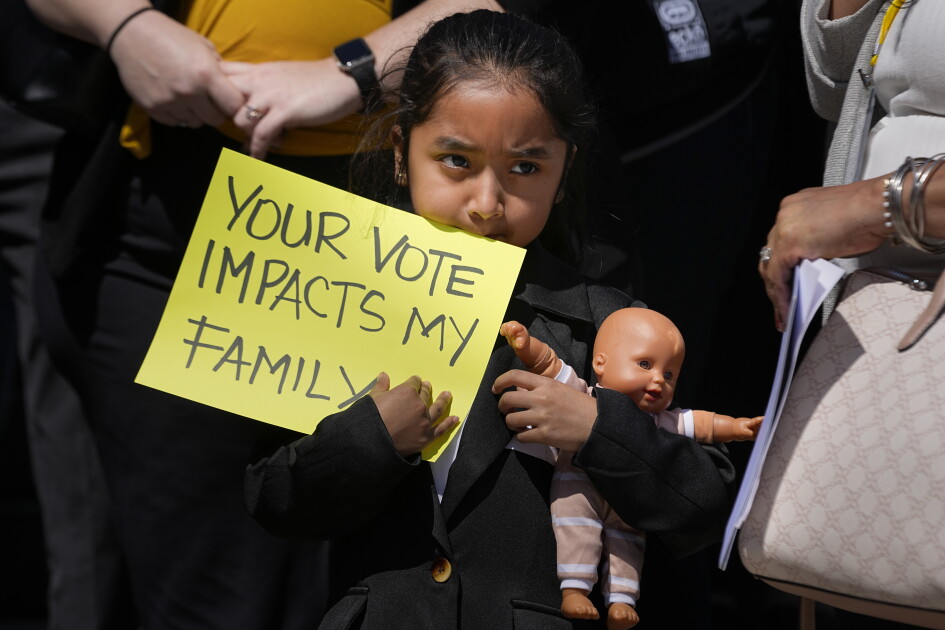
The Trump administration has proposed modifications to the 2030 Census that education groups warn could result in population undercounting with significant consequences for school systems. The draft rule, published in September, would exclude undocumented immigrants and those with legal residency but without permanent status from the decennial count. The proposal would also eliminate census questions about race, ethnicity, and sexual orientation, citing an executive order from January 2025 aimed at terminating diversity, equity, and inclusion initiatives.
Education advocates have expressed concerns about how these changes would compromise data reliability. The census provides crucial information used to distribute federal funding across more than 300 programs, including resources critical to schools such as Title I grants for high-poverty districts, the National School Lunch Program, and Head Start early childhood education. Districts also rely on population data to establish school attendance boundaries and project future enrollment trends, particularly as they respond to declining birth rates.
The proposal has generated substantial public opposition, with the Census Bureau receiving 150,000 comments by its November 2 deadline, including 50,000 specifically addressing school-related concerns. Major education organizations—including the National School Boards Association, Rural Schools Association, National Association of Elementary School Principals, and the School Superintendents Association—submitted formal objections, arguing that undercounts and incomplete demographic information would prevent districts from accurately assessing community needs and planning appropriate resource allocation. They emphasized that inaccurate data could undermine equitable distribution of federal education funding, particularly for students experiencing poverty and those with disabilities.
The administration has defended the proposal, arguing that federal officials have historically exercised discretion in determining census inclusion and that those without permanent residency lack sufficient ties to the United States. Opponents counter that the Constitution calls for enumeration of “persons” rather than citizens and note that public schools serve all students regardless of immigration status. Historical precedent is relevant: the 2020 Census undercounted Hispanic and Latino populations by 5% and children under age 5 by 3%, according to 2024 Government Accountability Office data.
Article Attribution | Read More at Article Source
Article summary produced by Claude AI