

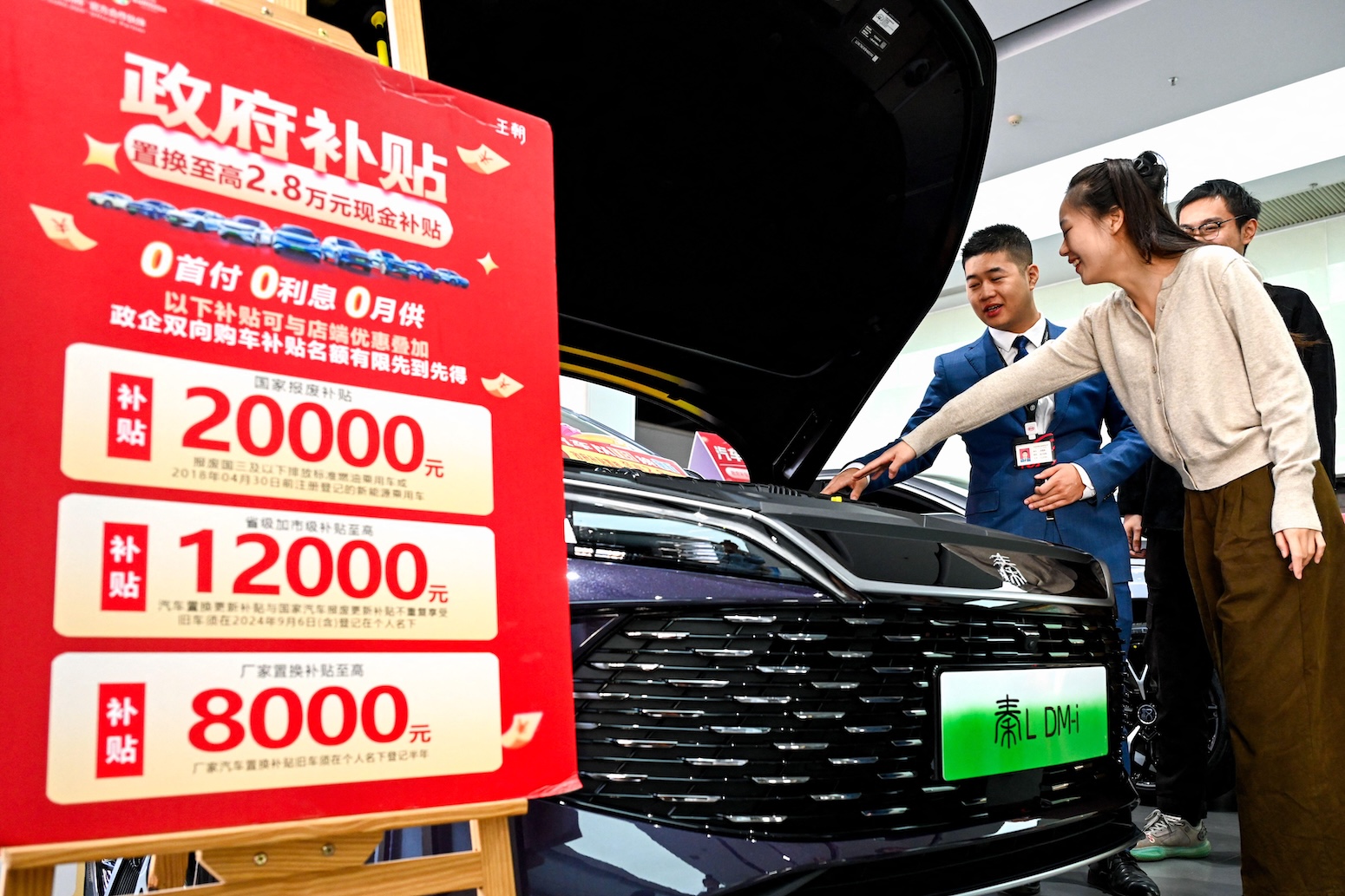
New-energy vehicles, which include battery electric cars and plug-in hybrids, accounted for 67% of new car sales in China in September, marking a record share of the market. This represents a significant milestone in the country’s automotive sector, though the absolute number of NEVs sold declined compared to the prior year.
The surge in NEV market share resulted primarily from a steep contraction in traditional combustion-engine vehicle sales, which fell 43% year-on-year in September and 31% during the first nine months of 2026 to date. Industry analysts attributed this decline to rising petrol prices following disruptions to oil supply routes. Battery electric vehicles proved more resilient than other segments, declining only 4% year-to-date, while plug-in hybrids fell 26% and combustion-only cars dropped 31%.
The broader context for these shifts includes China’s decade-long transition away from traditional fuel vehicles. NEVs have grown from just 6% of new car sales in 2020 to 58% year-to-date in 2026. However, growth has been uneven this year, with market share declining from a peak after a full purchase tax exemption ended in December 2025. Overall passenger-car sales fell 28% year-on-year in September across all categories.
Energy analysts noted that China’s expanding EV fleet has offset significant oil demand. One analyst estimated the vehicle fleet displaced 143 million barrels of oil during the recent supply crisis, while another assessment attributed approximately 12% of China’s post-crisis oil consumption decrease to electric vehicles. Industry observers suggested the supply disruption has reinforced China’s broader electrification strategy for road transport.
While domestic sales weakened, Chinese carmakers significantly increased international sales. NEV exports more than doubled year-on-year, rising 164% in September. This export growth reflects intensifying competition in the domestic market and efforts by Chinese manufacturers to compensate for reduced domestic demand, though expanded shipments have prompted tariff responses from trading partners.
Article Attribution | Read More at Article Source
Article summary produced by Claude AI