

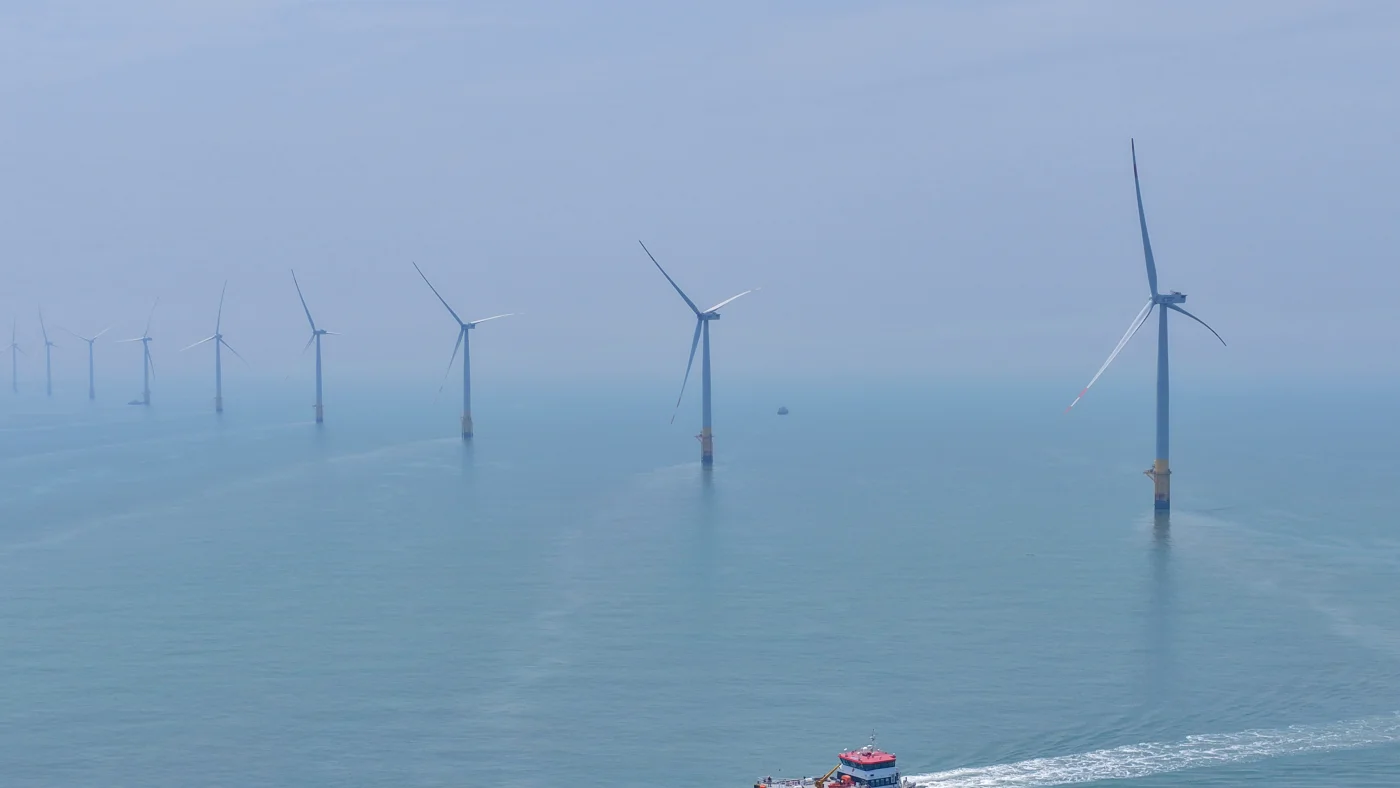
China and the United States remain the world’s two largest greenhouse gas emitters, but their trajectories have diverged significantly in recent years. China’s emissions have stabilized or declined for approximately two and a half years, marking what analysts describe as a substantial shift from the country’s previous pattern of rising pollution. This decline is primarily driven by China’s expansion of renewable energy capacity and battery technology, which are displacing coal consumption. The country’s electric vehicle sector has also contributed meaningfully, with two-thirds of passenger vehicle sales now comprising electric vehicles according to recent industry data.
In contrast, U.S. emissions increased in 2025 as the nation consumed more coal for electricity generation and greater quantities of oil and gas for heating purposes. A United Nations report identified the United States as the only major developed economy where greenhouse gas pollution rose substantially during this period. Projections suggest emissions may decline modestly this year due to anticipated reductions in coal consumption, though the decline would likely be more substantial with accelerated deployment of renewable energy and battery technology comparable to China’s efforts.
China’s emissions reductions reflect long-term strategic planning initiated approximately twenty years ago. The Chinese government implemented consistent five-year plans that guided provinces toward clean energy sectors and established nationwide supply chains for solar panels, batteries, wind turbines, and electric vehicle manufacturing. This sustained policy direction enabled the development of industries that previously did not exist and positioned China as the global leader in producing and deploying clean energy technologies. Recent data shows China’s emissions dropped 3% during the last quarter, the largest decline since the COVID-19 pandemic, with particular progress in power generation and manufacturing sectors.
The U.S. policy environment contrasts sharply with China’s consistent approach. The Biden administration provided financial incentives for renewable energy and electric vehicles, while the Trump administration reversed these policies, eliminating support for wind and solar production and canceling tax benefits for residential solar and vehicle electrification. This policy volatility has hindered the scaling of climate technology industries in the United States. Additionally, rapid growth in data centers powered primarily by fossil fuels presents an emerging challenge, as the deployment pace of these facilities outpaces renewable energy expansion.
China’s clean technology exports to countries including Pakistan, Nepal, and the Philippines are reducing global fossil fuel dependency. However, analysts note that despite China’s emission reductions, its absolute emissions levels remain substantially elevated compared to other nations worldwide.
Article Attribution | Read More at Article Source
Article summary produced by Claude AI