

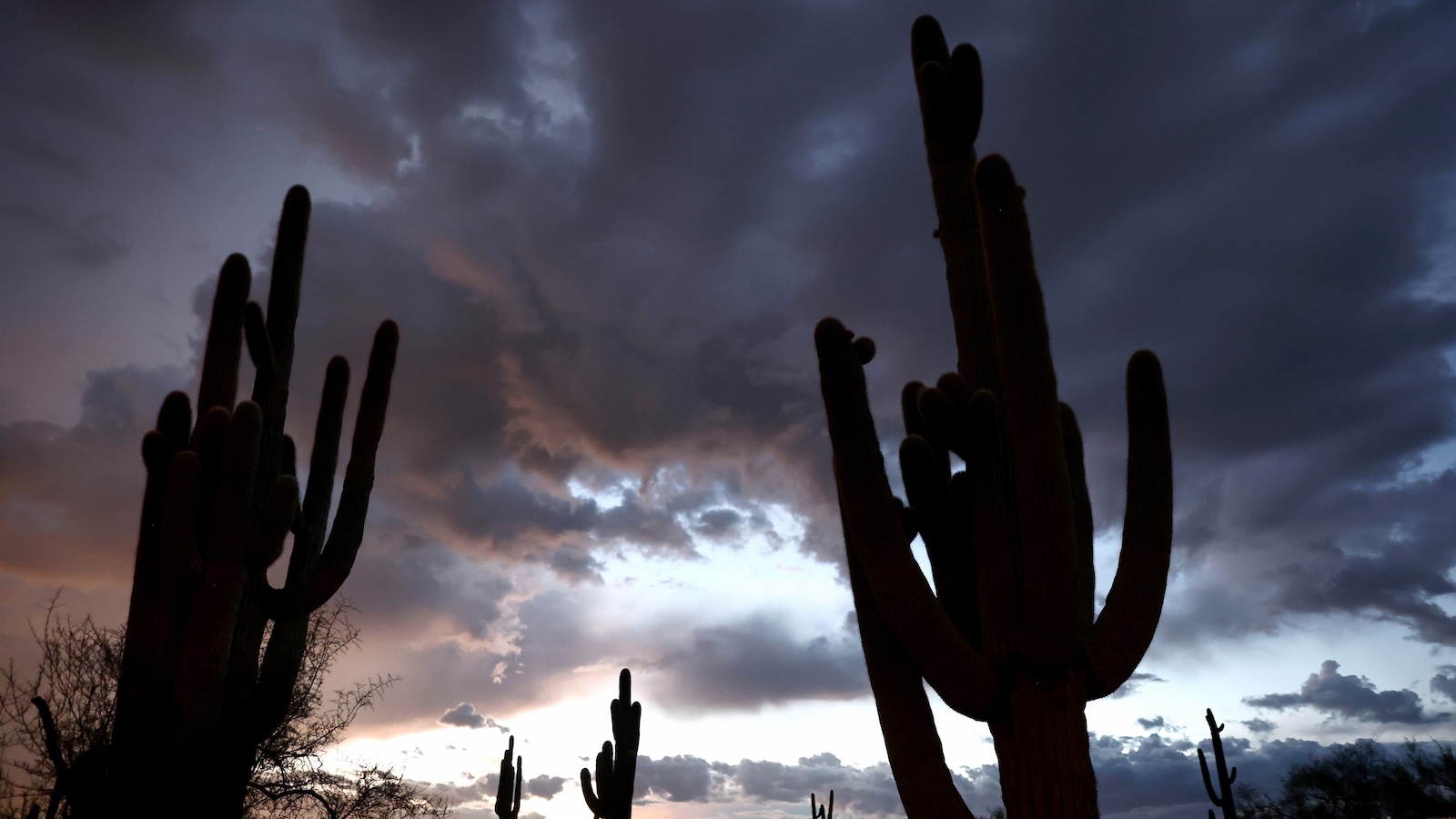
Research published in Nature indicates that cacti face unprecedented challenges from climate change, despite their widespread reputation as highly resilient desert plants. A comprehensive study modeling future temperature increases and associated dry spells determined that the vast majority of roughly 1,000 cactus species will experience significant habitat loss. The findings are particularly concerning because more than 25 percent of these species could lose at least 80 percent of their existing habitat by 2100.
Cacti have evolved specific adaptations to survive in desert conditions, including waxy skin that retains moisture and dependence on seasonal precipitation patterns such as monsoon rains. However, researchers emphasize that these adaptations are suited to historical climate conditions, and shifting weather patterns can push the plants beyond their physiological limits. The study employed data from iNaturalist, a citizen science platform containing approximately 650,000 field observations of cacti, to better understand species distributions and vulnerability. Rather than simply dying from drought, cacti may experience sublethal stress that reduces flowering, growth, and reproduction without immediately killing individual plants—a scenario that can gradually shrink entire populations.
Multiple environmental stressors are converging to threaten cactus species. Beyond drought, habitat loss and illegal poaching for private collections continue to pressure wild populations. In some cases, rising sea levels have caused local extinctions, such as the Key Largo tree cactus in Florida. Additionally, warmer nighttime temperatures impair cacti’s ability to respire and conserve water, potentially causing root rot when combined with rainfall.
Conservation strategies are being developed to address these threats. Experts suggest that protected populations in botanical gardens may serve as reservoirs for future reintroduction efforts. Some cactus populations may also shift geographically into regions with climates more favorable to their survival. Government protection of threatened cacti habitat remains essential, though implementation varies across jurisdictions. The research aims to guide conservation professionals in prioritizing efforts as desert ecosystems face an increasingly unrecognizable climate.
Article Attribution | Read More at Article Source
Article summary produced by Claude AI