

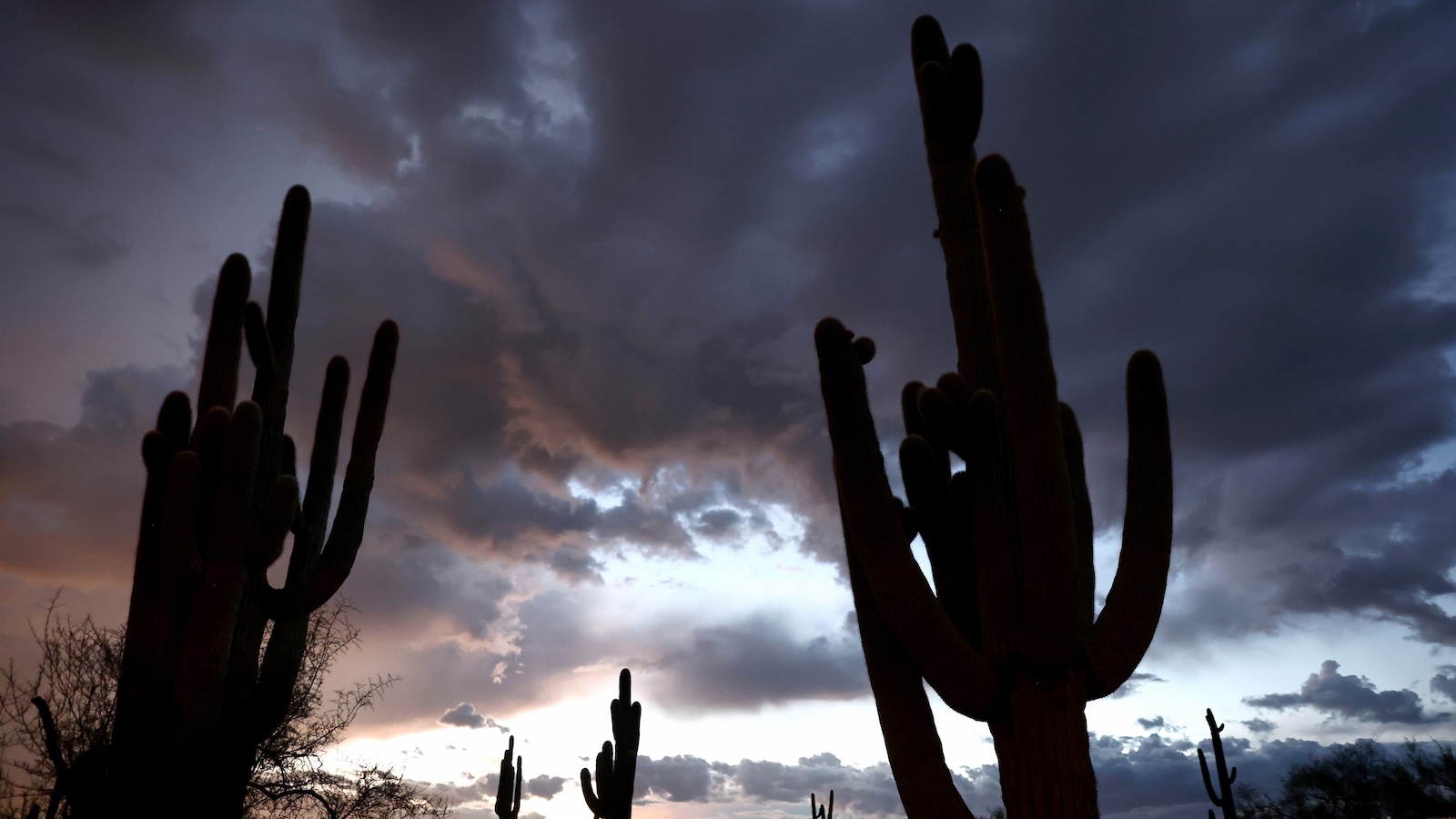
Research published in Nature indicates that cacti face significant challenges from climate change and shifting precipitation patterns, contrary to their public perception as universally drought-resistant organisms. Scientists modeled how rising temperatures and altered rainfall patterns will affect nearly 1,000 cactus species globally, discovering that the majority will experience habitat loss. More than 25 percent of cactus species could see at least 80 percent of their habitat disappear by 2100, according to the study led by conservation ecologist Michiel Pillet at the University of South Florida.
Cacti evolved under specific environmental conditions, particularly relying on seasonal patterns such as monsoon rains in southwestern U.S. deserts. While these plants have developed adaptations like waxy skin to retain water, they remain vulnerable when removed from their historical climate conditions. The research team utilized data from iNaturalist, a citizen science platform containing 650,000 observations of wild cacti, to better understand species distributions and potential vulnerability. The analysis reveals that climate stress affects cacti in complex ways, potentially reducing growth, increasing mortality, or preventing flowering without immediately killing individual plants.
Desert ecosystems are inherently fragile and recover slowly from disturbance, taking multiple decades to regenerate. Drought now compounds existing pressures on cacti, including habitat loss from human development and illegal poaching for private plant collections. Additional climate-related stresses include rising sea levels affecting species like the Key Largo tree cactus in Florida and increased nighttime temperatures that interfere with cacti’s respiration processes. Some cactus populations may migrate geographically toward more favorable climates, similar to shifts occurring in Arctic vegetation.
Conservation strategies include protecting threatened habitats and establishing populations in botanical gardens for safekeeping. Some species may potentially be reintroduced to wild areas if environmental conditions stabilize. Experts emphasize that government protection of cactus-bearing lands remains critical, though political will in affected countries remains uncertain.
Article Attribution | Read More at Article Source
Article summary produced by Claude AI