

Researchers have identified climate change as a significant emerging threat to cactus species worldwide, according to findings published in the journal Nature. The study examined nearly 1,000 cactus species and modeled how rising temperatures combined with increasingly severe droughts could reshape their habitats. Scientists project that more than a quarter of these species could lose at least 80 percent of their current habitat by 2100, fundamentally altering the distribution of cacti across the globe.
The research challenges common assumptions about cactus resilience. While cacti are renowned for their ability to survive in arid environments, they are fundamentally adapted to specific climatic conditions, including seasonal patterns of precipitation that have remained relatively stable throughout their evolutionary history. Michiel Pillet, a conservation ecologist at the University of South Florida and lead author of the study, noted that cacti require water and have evolved particular adaptations to capture and retain seasonal rainfall. When environmental conditions shift beyond the parameters to which these plants have adapted, their survival becomes uncertain. The researchers utilized data from the citizen science platform iNaturalist, which aggregated 650,000 observations of wild cacti, to better understand species distributions and vulnerability.
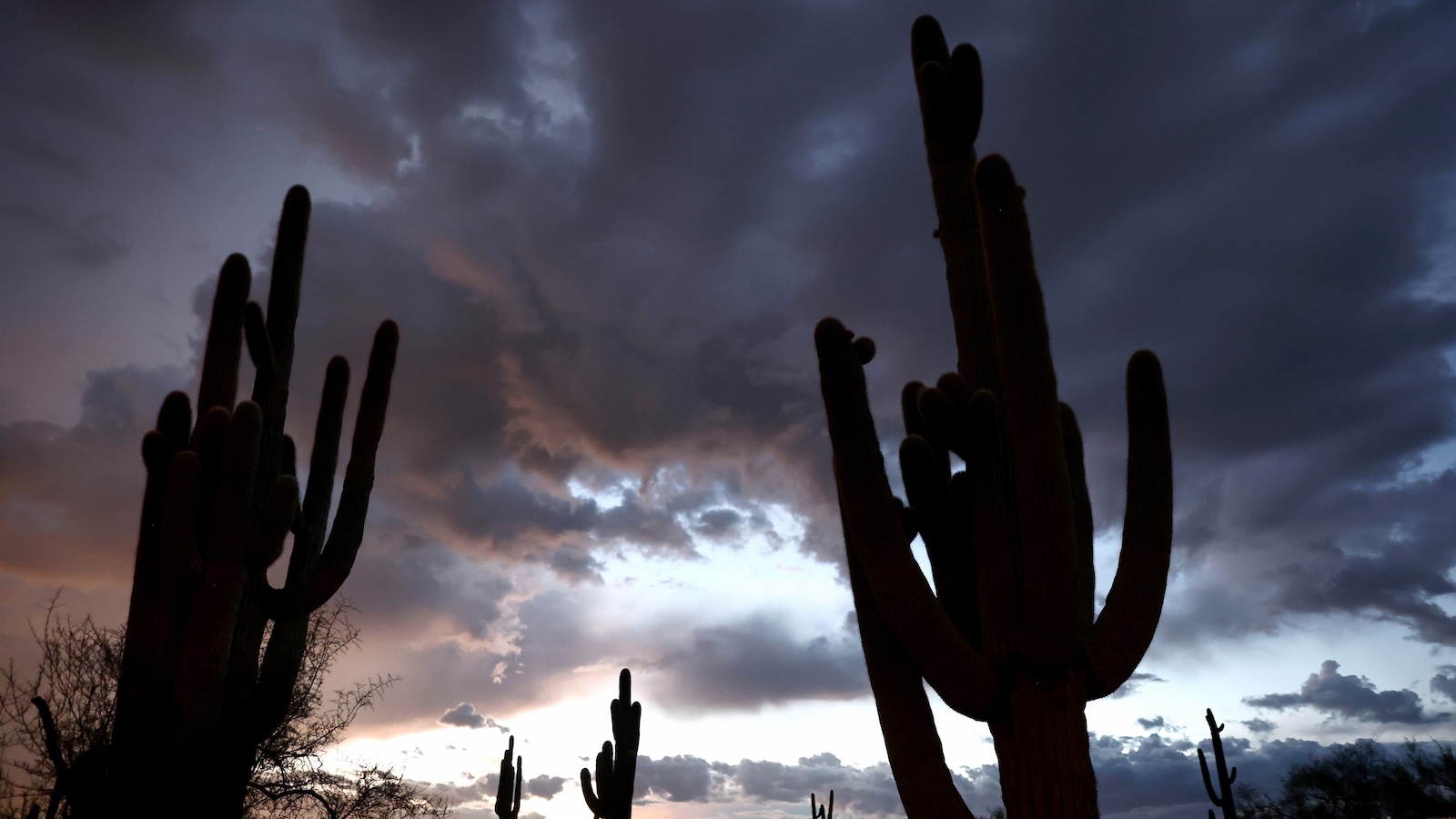
The threats facing cacti extend beyond simple water scarcity. Climate stress can produce sublethal effects, where plants experience reduced growth, increased mortality, or reproductive failures without immediately dying. In the Sonoran Desert, iconic saguaro cacti are flowering less frequently during extended droughts, compromising their ability to reproduce. Additionally, rising nighttime temperatures interfere with the plants’ respiration mechanisms, which they use to conserve water. Some regions face opposite pressures: in Florida, rising sea levels have contributed to the local extinction of the Key Largo tree cactus.
These climate pressures compound existing threats to cactus populations, including habitat loss from human development and illegal poaching for private plant collections. Desert ecosystems recover slowly from disturbances due to their inherent fragility and limited water resources, often requiring multiple decades for restoration. Conservation experts suggest that protecting cactus species will require multifaceted approaches, including establishing backup populations in botanical gardens and protecting critical habitat areas where cacti currently survive. Some species may naturally shift their ranges northward in response to changing climates, similar to patterns observed in Arctic plant communities seeking more favorable conditions.
Article Attribution | Read More at Article Source
Article summary produced by Claude AI