

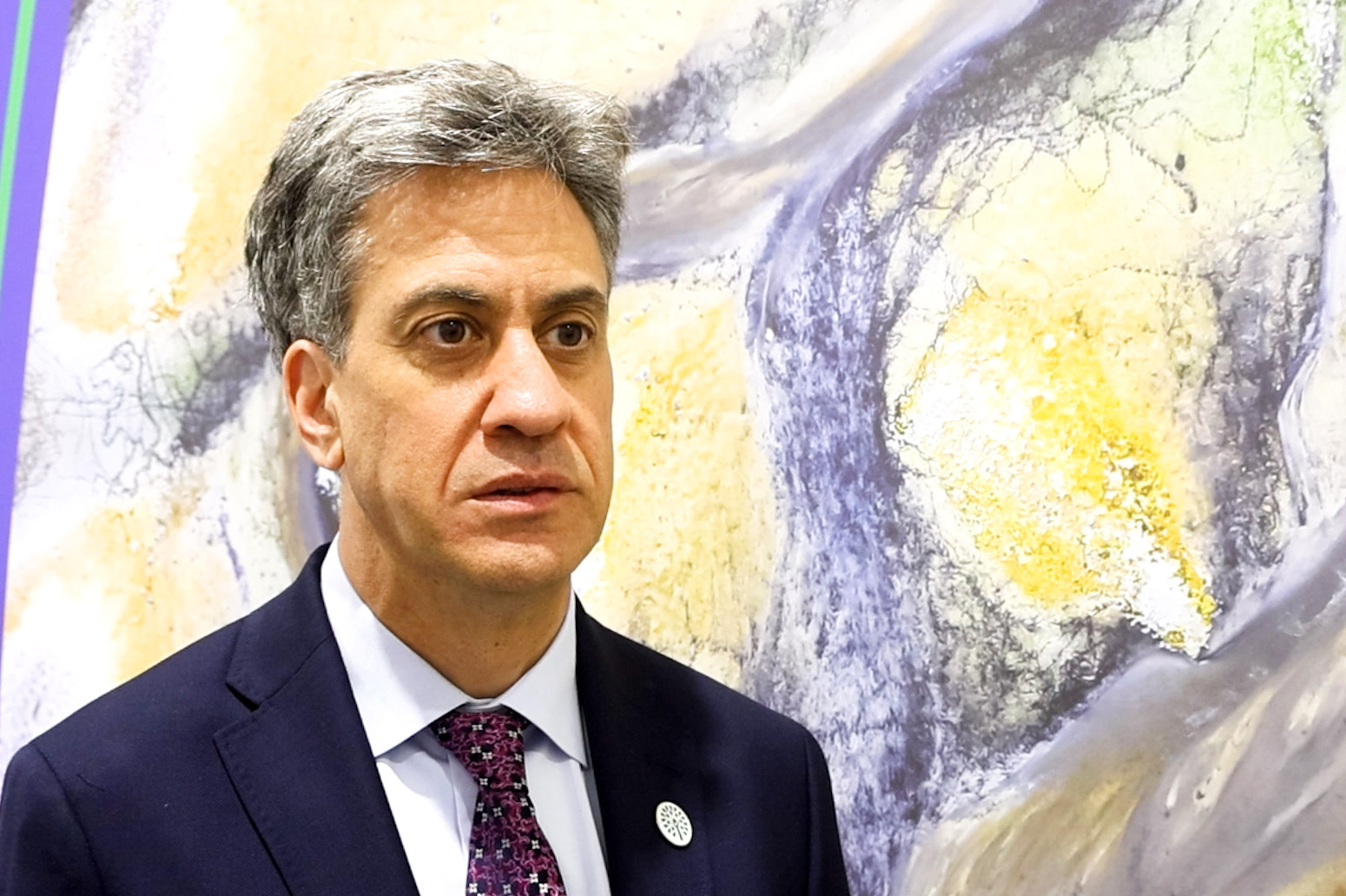
UK Foreign Secretary Ed Miliband participated in a question-and-answer session at COP31 in Antalya, Turkey, responding to inquiries from Carbon Brief readers on topics ranging from the nation’s climate credentials to international climate financing mechanisms.
When pressed about the impact of the Jackdaw gas field approval on the UK’s climate standing, Miliband emphasized the government’s commitment to ambitious emissions reduction targets and electrification goals. He highlighted the clean power 2030 target and described the UK’s nationally determined contributions as among the world’s most stringent. Miliband also framed climate action as intertwined with national security concerns, arguing that governments serious about security must prioritize climate action. He noted that the UK will assume the G20 presidency later this year, positioning climate resilience and debt development as central priorities for that role.
Regarding the nation’s ability to meet its 2030 emissions reduction target of 68 percent below 1990 levels, Miliband expressed confidence while acknowledging the ambitious nature of the goal. He noted that the current government inherited challenging circumstances from its predecessor but remains committed to pursuing the target.
On the question of financial support for developing nations amid fiscal constraints in wealthy countries, Miliband stressed the importance of reforming multilateral development banks to unlock additional capital. He argued that these institutions could leverage their balance sheets more effectively, potentially mobilizing hundreds of billions in additional funding for climate resilience and debt relief in developing countries. He indicated the UK intends to convene these banks as part of its G20 activities to promote best practices and encourage greater financial mobilization.
When discussing criticism of the COP process itself, Miliband defended the institution as a mechanism for driving climate progress and facilitating coalitions among willing nations. He cited historical progress in global temperature projections since the Copenhagen COP in 2009 as evidence of the multilateral approach’s effectiveness, while acknowledging that current trajectories remain inadequate.
Article Attribution | Read More at Article Source
Article summary produced by Claude AI