

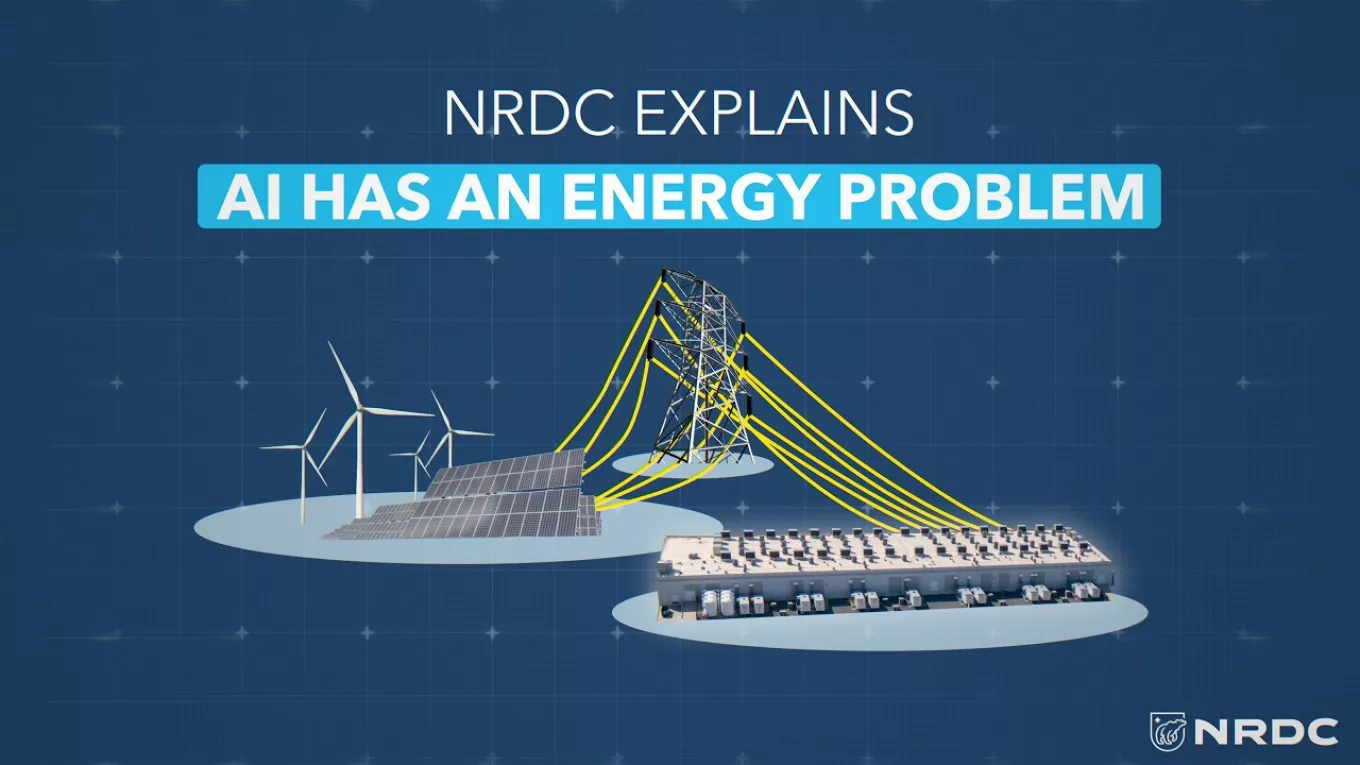
Data centers providing infrastructure for artificial intelligence and digital services are expanding globally at an accelerated rate, generating substantial new demands for electricity and additional resources. This expansion carries significant implications for environmental sustainability, public health, and economic impacts on households and businesses across affected regions.
The rapid proliferation of these facilities in the United States presents multiple challenges. Uncontrolled development could increase electricity costs for residential consumers and small business operators, place additional stress on existing power grid infrastructure and water supply systems, contribute to increased pollution levels, and create obstacles to achieving clean energy objectives. Experts emphasize that the technology companies driving this expansion should bear responsibility for the infrastructure costs associated with their operations rather than shifting financial burdens to the public.
Advocates stress the importance of community engagement and transparency in decision-making processes regarding data center development. Residents and other stakeholders should have meaningful input into whether and how these facilities are constructed in their areas. Industry participants should commit to bringing new clean energy resources online to match increased electricity consumption and implementing robust safeguards to protect public health and environmental quality.
Data center operations consume substantial quantities of energy and water while generating noise and air pollution that affect nearby populations. The proliferation of these facilities, driven by increasing use of AI applications and digital services, underscores the need for comprehensive frameworks addressing resource consumption, environmental protection, and equitable distribution of costs and benefits among technology companies, public infrastructure systems, and communities.
Article Attribution | Read More at Article Source
Article summary produced by Claude AI