

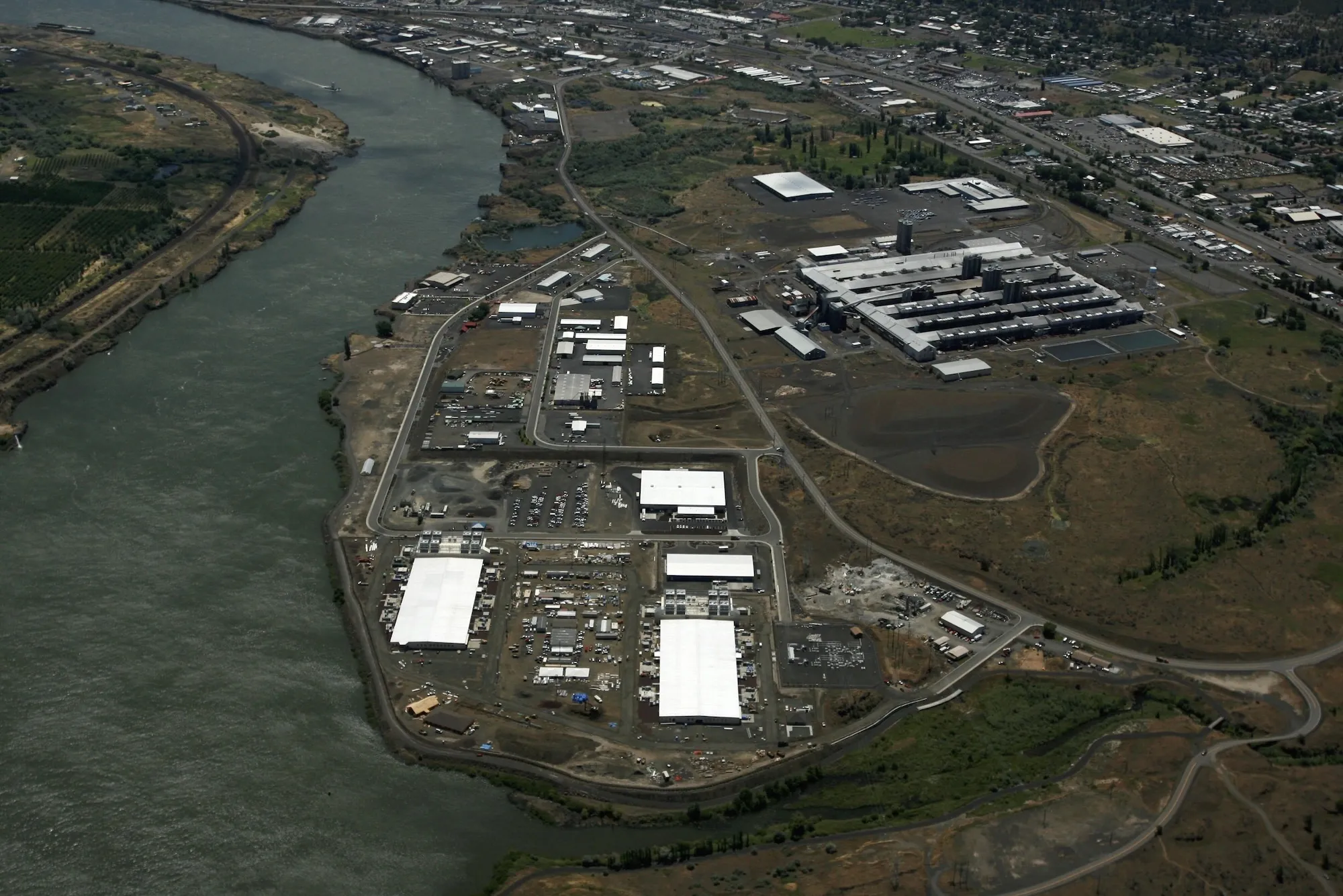
Researchers from Harvard catalogued 403 hyperscale data centers across the United States and estimated their combined annual electricity consumption at approximately 82 terawatt-hours, equivalent to the power used by nearly 8 million homes. This represents about 2 percent of total U.S. electricity consumption and corresponds to approximately 26 million metric tons of carbon dioxide emissions annually, according to the study published this week in Nature Sustainability.
Electricity usage varies dramatically by state, masking the national average. When measured against retail electricity sales data from 2024, Oregon’s studied data centers consumed the equivalent of 18.6 percent of electricity sold statewide, while Virginia and Iowa accounted for 15.5 and 13.1 percent respectively. Oregon’s data-center electricity share expanded significantly from about 3 percent in 2015 to approximately 23 percent in 2025, with data centers representing roughly 96 percent of the state’s electricity sales growth between 2020 and 2025.
Currently, no federal mechanism exists to systematically track data-center electricity purchases, as utility surveys categorize customers only as residential, commercial, industrial, or transportation-related. The Bipartisan American Affordability and Jobs Act, under Senate consideration, would direct the Energy Information Administration to explicitly measure data-center electricity usage. Some states, including Oregon, acknowledge lacking policy mechanisms to address emissions from data center load growth.
Carbon emissions from these facilities vary significantly based on regional grid composition, ranging from 10 grams of carbon dioxide per kilowatt-hour in hydropower-rich Washington to 325 grams in fossil-fuel-dependent Virginia. Additionally, an estimated 143 gigawatts of gas-fired generators are proposed for construction at or near data centers nationwide, with these on-site power plants potentially operating “behind the meter” and remaining invisible to grid-demand data. West Virginia, which hosts none of the confirmed hyperscale facilities in the study, ranks second only to Texas in proposed on-site gas capacity at more than 15 gigawatts.
Article Attribution | Read More at Article Source
Article summary produced by Claude AI