

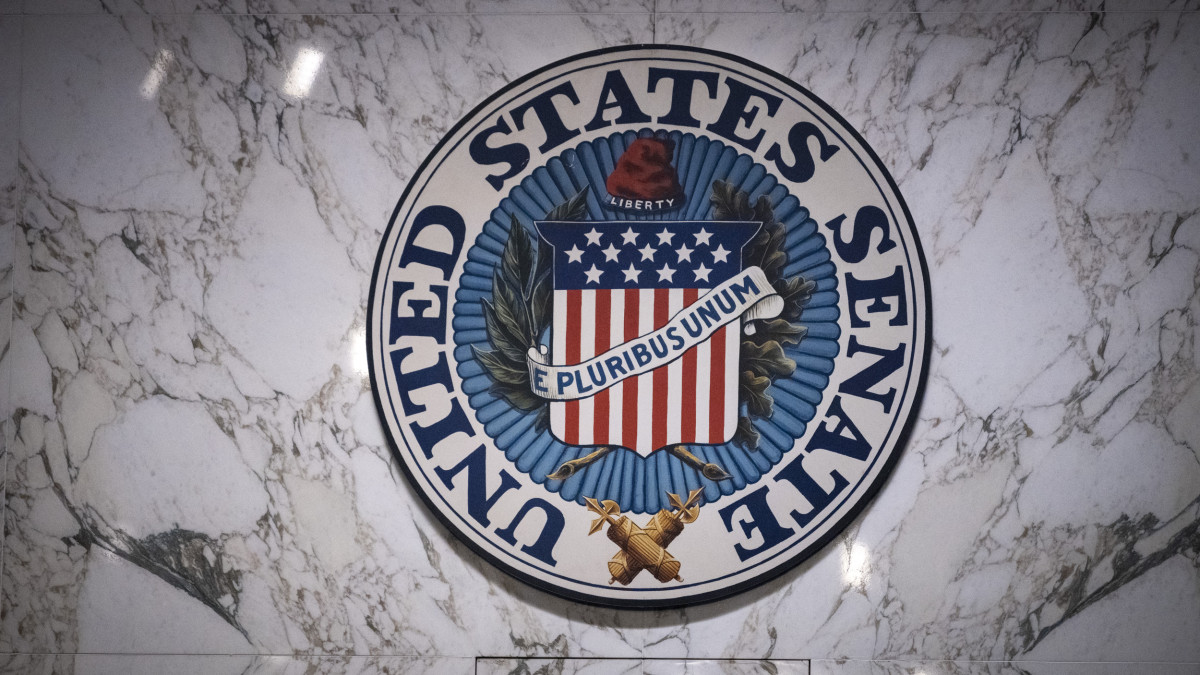
The Democratic victories in midterm elections have created a new political landscape for U.S. energy policy. With Democrats now controlling both chambers of Congress and holding governorships in key energy-related states such as Ohio, Georgia, and Texas, the party is positioned to challenge several aspects of the current administration’s energy approach. Additionally, a Democrat was elected to Texas’s oil regulator for the first time since 1990, giving the party a voice in traditionally Republican-dominated energy governance.
Democratic leaders have signaled that investigations into oil-related matters will be a priority, including examinations of major international oil transactions and deals involving the White House. The party also intends to attempt restoring clean energy tax credits that have faced opposition from the administration. However, substantive policy changes face significant constraints given that President Trump maintains veto power over legislation and has indicated his intention to reject bills he opposes.
The practical impact of the Democratic gains will likely result in negotiated compromises rather than sweeping reforms. Congress controls budgetary authority and appropriations, giving lawmakers leverage in discussions with the executive branch. Both energy sectors—fossil fuels and clean energy—are watching closely as permitting reform emerges as a potential area of agreement, though analysts have reduced the likelihood of that legislation passing.
Other energy-related issues on the Democratic agenda include potential regulation of artificial intelligence and concerns about data center expansion’s impact on power demand and electricity costs. The incoming Congress may also exert pressure on the administration regarding international conflicts that affect energy markets, particularly regarding the war in Iran and potential negotiations over the Strait of Hormuz, which significantly influences global crude supplies and fuel prices affecting American consumers.
An early test of whether executive and legislative branches can reach workable compromises was expected to occur in early November with a scheduled procedural vote on a bipartisan permitting reform bill in the Senate.
Article Attribution | Read More at Article Source
Article summary produced by Claude AI