

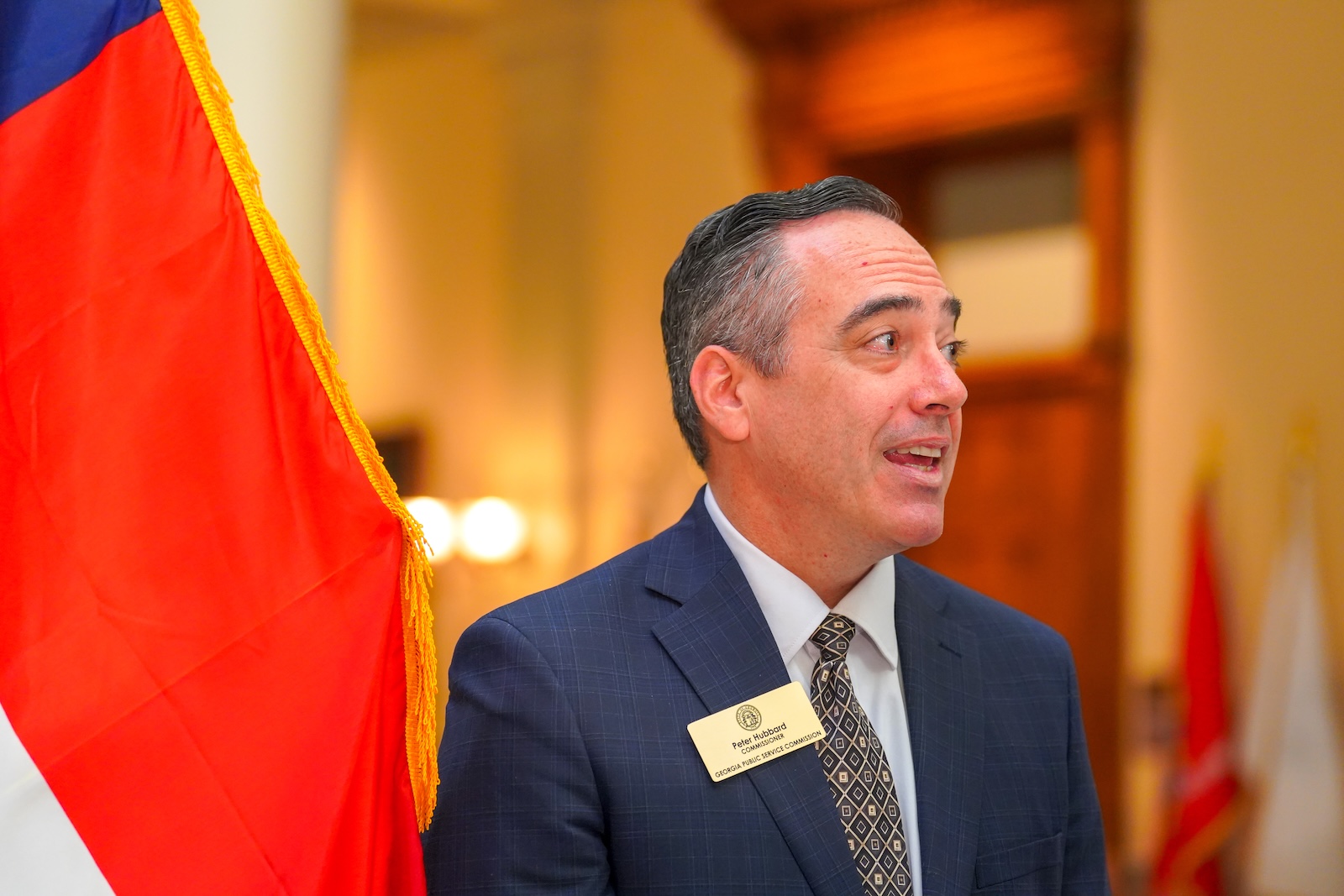
Beginning in January, the Democratic Party will hold a majority on Georgia’s Public Service Commission for the first time in three decades, securing three of the five seats on the board. The shift follows election results from the past two years, with Peter Hubbard, Shelia Edwards, and Alicia Johnson forming the Democratic contingent. The commission regulates utilities across the state, including Georgia Power, the largest electric provider.
Democratic commissioners have outlined several priorities for their tenure, with affordability emerging as a central focus. Hubbard indicated that launching an affordability docket—a series of hearings examining reasons for high power bills and exploring cost-saving measures—will be among their first actions. The commissioners also plan to scrutinize upcoming requests from Georgia Power regarding energy production and rate adjustments. However, experts cautioned that tangible impacts on consumer bills may take considerable time to materialize, though changes in regulatory decision-making could become apparent more quickly.
Transparency has been identified as another key area for reform. Critics have pointed to practices such as redacted contracts and limited disclosure of utility agreements as obstacles to public accountability. The commissioners have committed to greater clarity in regulatory communications and more rigorous examination of Georgia Power’s long-term energy plans, demand forecasts, and construction costs. Additionally, Hubbard proposed conducting a rate case for the state’s natural gas utilities, which he stated has not occurred in over a decade.
Georgia Power and its parent company, Southern Company, have acknowledged the importance of affordability concerns. The utility has attributed recent rate freezes and revenue from data center expansion to benefits for existing customers, describing the arrangement as creating “downward pressure” on rates. Commissioners plan to conduct enhanced review of the next rate-setting process, scheduled for 2028, as part of what they describe as a broader four-year agenda to implement lasting energy reforms in the state.
Article Attribution | Read More at Article Source
Article summary produced by Claude AI