

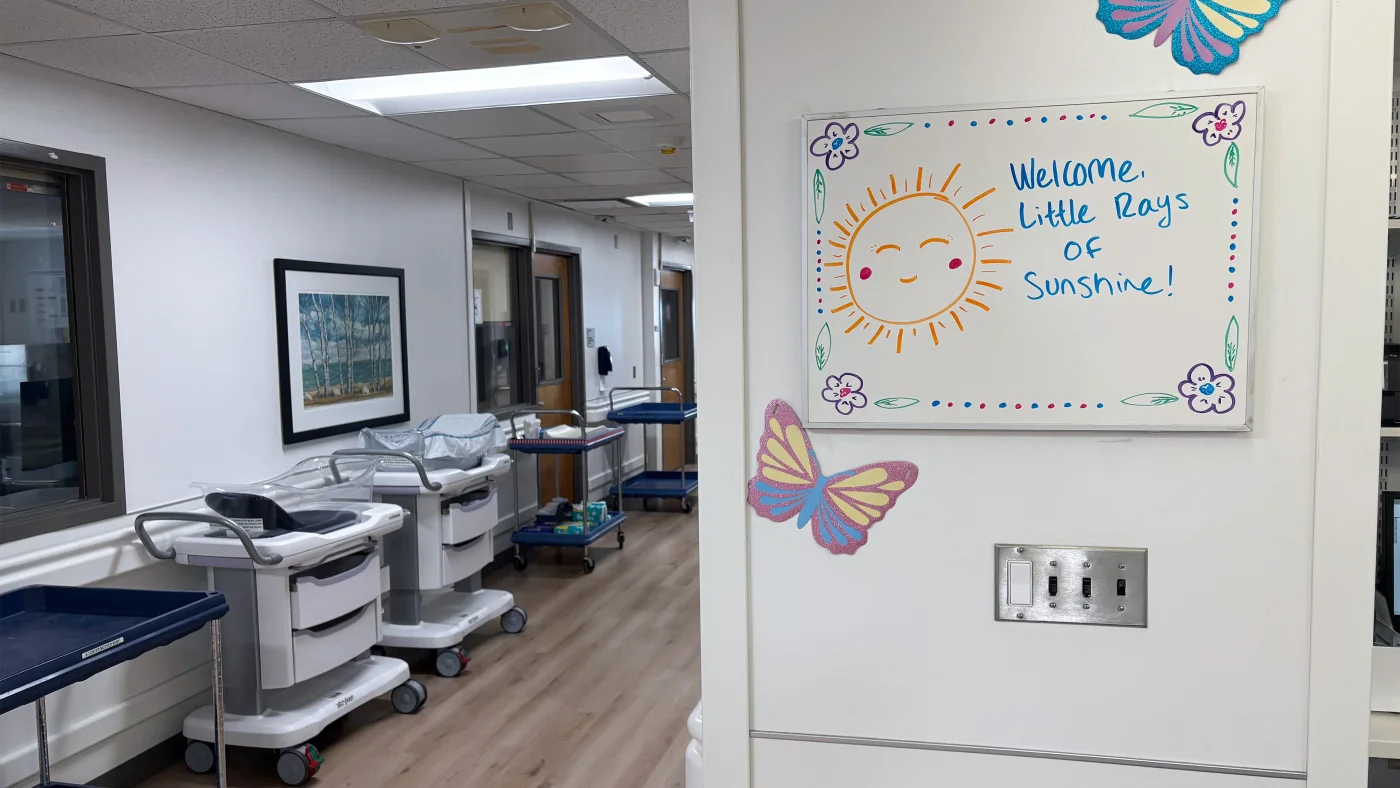
Medical professionals across the United States are encountering a troubling trend as increasing numbers of parents decline vitamin K injections for their newborns, citing concerns influenced by anti-vaccine movements and broader skepticism of medical institutions. National data indicates that rates of newborns not receiving intramuscular vitamin K have risen from 3.1% in 2017 to 6.8% in 2025, according to research published in JAMA. At Corewell Health’s Butterworth Hospital in Grand Rapids, Michigan, physicians report that at least one family refuses the injection daily on average.
Vitamin K has been a standard part of newborn care since the 1960s, with the injection preventing vitamin K deficiency bleeding, a rare but potentially fatal condition involving hemorrhaging in the brain. According to the Centers for Disease Control and Prevention, babies who receive the shot at birth have fewer than 1 in 100,000 cases of the most serious bleeding form, while those who do not receive it are 81 times more likely to develop the condition. Among affected infants, mortality reaches 1 in 5. Doctors report that cases of vitamin K deficiency bleeding, once encountered perhaps only once in a career, are now being seen regularly in hospitals across the country, with some infants experiencing death or lifelong brain injuries.
Parental refusals have coincided with broader vaccine hesitancy and misinformation circulating online. Prominent conservative influencers have suggested links between the vitamin K shot and childhood cancer, while wellness influencers on social media platforms and podcasts have made unsubstantiated claims about potential harm from the injection. When asked during a congressional hearing to assure parents of the vitamin K injection’s safety, Health and Human Services Secretary Robert F. Kennedy Jr. declined to do so.
In response to the rising refusal rates, Dr. Torrie LeBlanc and colleagues at the Michigan hospital launched a two-year initiative to reduce vitamin K rejections. The program incorporated motivational interviewing techniques and staff training, emphasizing parental autonomy in medical decision-making. While the hospital has achieved a modest outcome—holding vitamin K refusal rates flat even as refusals of other standard newborn medications continue climbing—the broader challenge of parental medical hesitancy remains complex and ongoing.
Article Attribution | Read More at Article Source
Article summary produced by Claude AI