

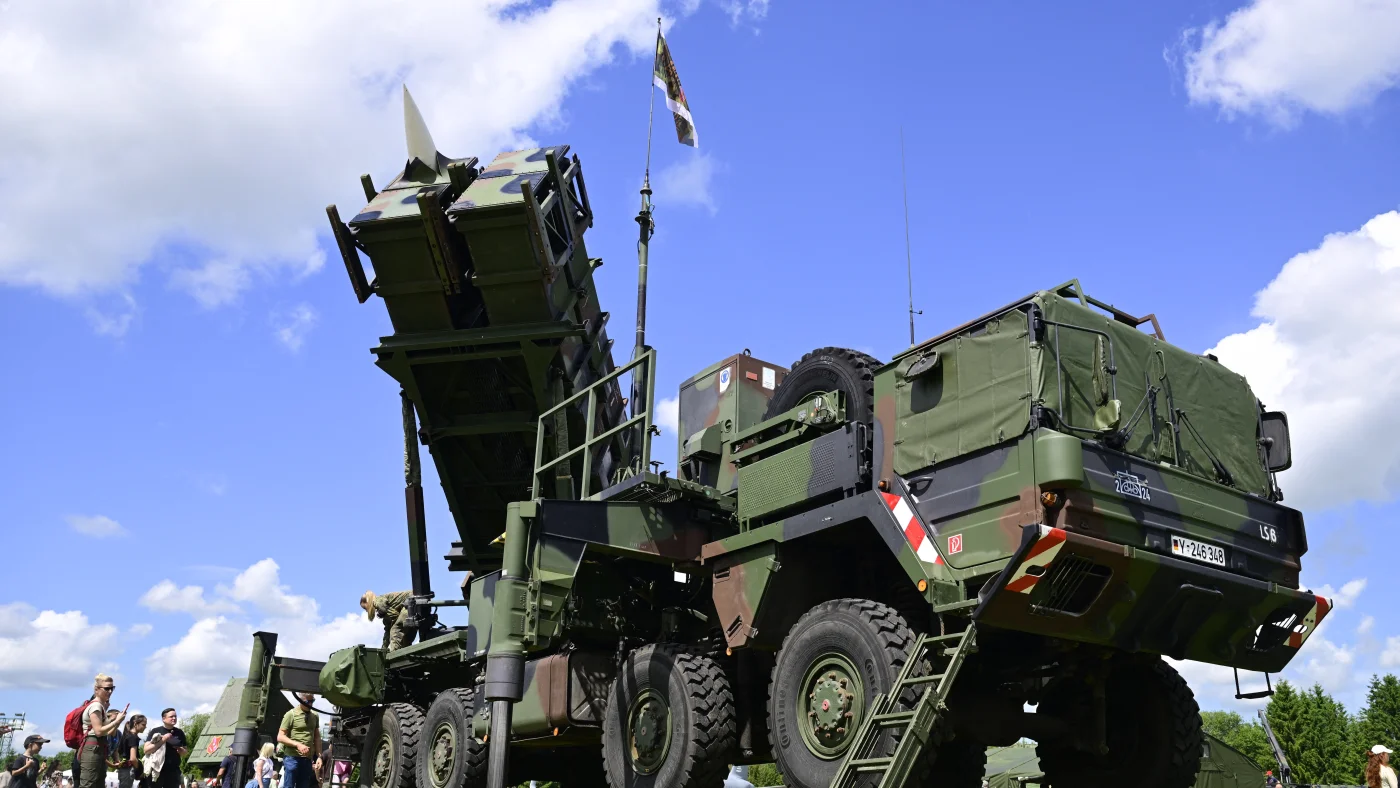
European countries have increasingly depended on American military technology over the past decade to support their air defense infrastructure, including fighter jets and missile systems like the Patriot platform. The arrangement initially appeared advantageous, offering access to high-quality equipment while simultaneously reinforcing U.S. commitment to European security arrangements.
However, significant challenges have emerged with this dependency. A substantial backlog of missile supplies now exists, driven by production delays and competing demands from U.S. military operations in Iran. Nations that invested in American defense systems face substantial constraints, as they cannot readily switch to alternative suppliers to acquire necessary ammunition and components. This creates a vulnerability during a period when Russian threats continue to concern European policymakers.
The situation has exposed what analysts characterize as a strategic miscalculation. Commentary suggests that calls in 2022 for European investment in domestically developed air defense capabilities were largely disregarded, resulting in what observers describe as a visible strategic gap. The current shortage of available missiles highlights the risks of over-reliance on a single supplier, particularly when that supplier faces competing domestic military demands.
Observers note that the relationship between U.S. and European defense interests may diverge in unpredictable ways over coming decades, independent of any particular administration’s policies. While political changes can affect bilateral relationships, the fundamental issue concerns whether European nations can afford to remain dependent on American production capacity and strategic priorities for their core security needs.
Article Attribution | Read More at Article Source
Article summary produced by Claude AI