

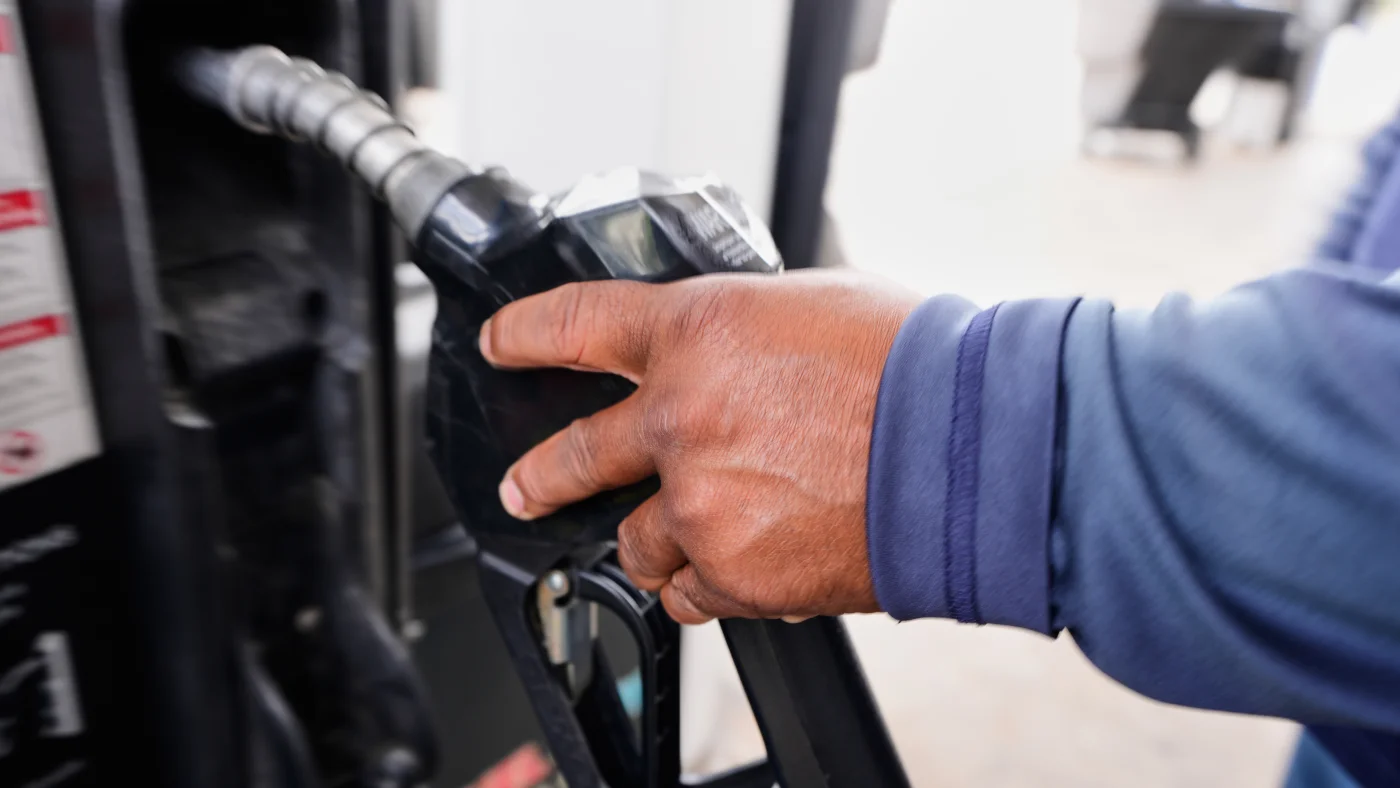
Democrats secured significant congressional gains in recent midterm elections, with voter dissatisfaction over elevated fuel costs playing a major role in their success. The surge in gasoline and diesel prices has been largely attributed to the ongoing war in Iran, which has disrupted global oil supply through the Strait of Hormuz. A barrel of Brent crude, which was trading around $70 in late February, climbed to approximately $110 before settling near $95. Average gasoline prices reached $4.12 per gallon, roughly $1 higher than the previous year, while diesel prices hit record levels in September at $6.52 per gallon and remain significantly elevated compared to the prior year.
Despite the electoral outcome, energy experts caution that incoming Congressional leadership has limited direct power to influence global oil prices, which are determined by complex market dynamics. Current administration efforts to reduce fuel costs, such as loosening rules on dyed diesel and announcing deals to increase Russian diesel supplies, produced minimal impact. The new Democratic majority could exert pressure on the president regarding military spending related to the Iran conflict, though the executive branch retains considerable authority over military actions, sanctions, and related decisions. Mixed signals from the president regarding the war’s continuation further complicate the outlook for near-term relief.
If a peace agreement materializing, market analysts suggest crude prices could drop $15 to $20 per barrel within days of an announcement. However, significant time lags would follow as shipping routes normalize and refined products reach consumers. Optimistic projections indicate three months minimum for gasoline and diesel to return to prewar price levels, with more realistic estimates ranging from six months to a year. Additional complications could arise from the ongoing Ukraine conflict, which affects Russian refinery output and diesel supplies, potentially extending the timeline for price relief beyond initial expectations.
Article Attribution | Read More at Article Source
Article summary produced by Claude AI