

The Trump administration’s Department of Government Efficiency has cut approximately $468 million in funding allocated to tribal communities, with roughly half directed toward environmental and natural resources projects, according to recent Brookings Institution reports. Additional cuts through the One Big Beautiful Bill Act eliminated funding streams established by the 2022 Inflation Reduction Act. The reductions have stalled climate resiliency plans, renewable energy initiatives, and employment programs across Indian Country.
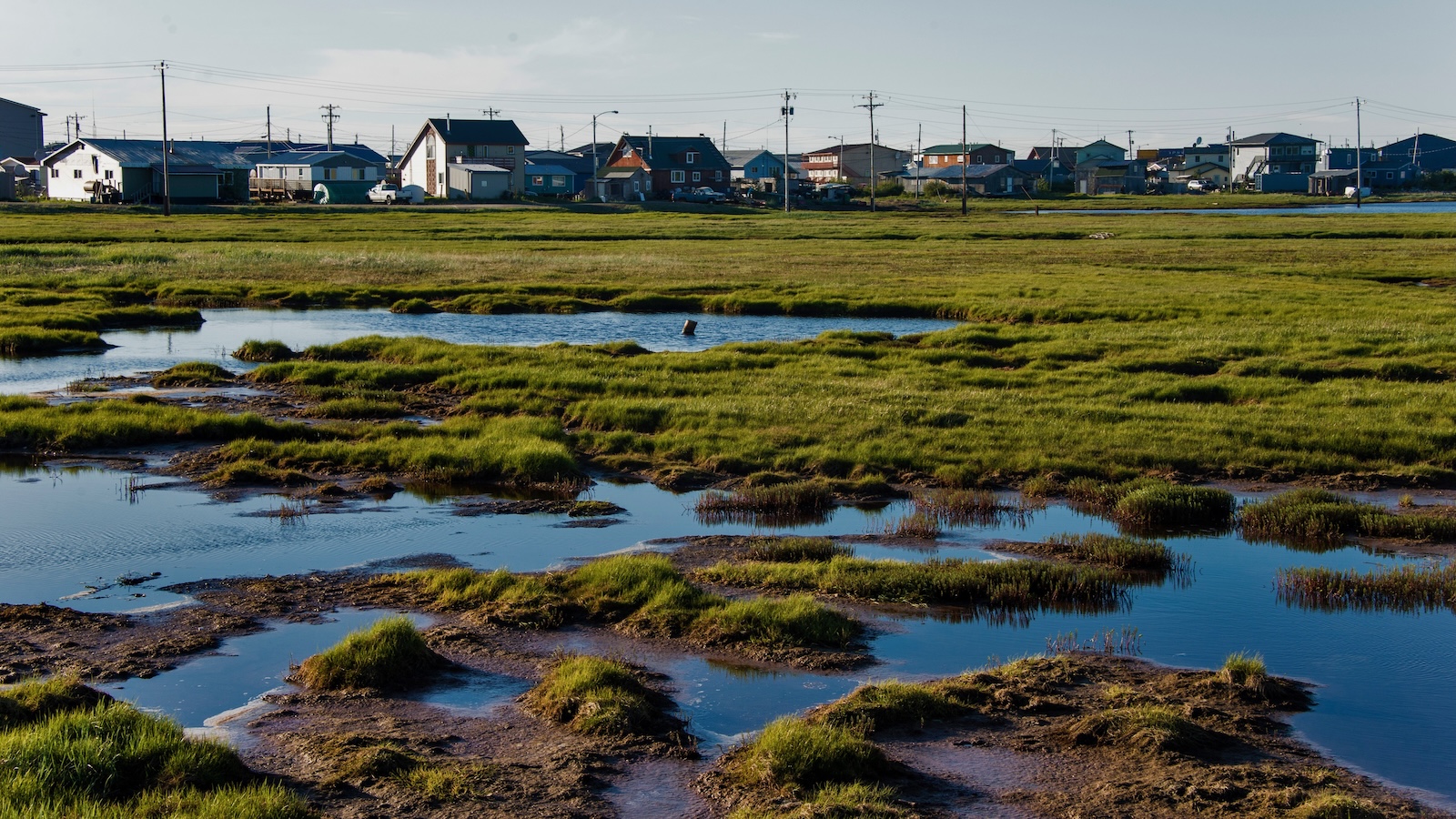
A prominent example involves Kotzebue, a small city in northwest Alaska accessible only by air and sea during most of the year. The community, which relies on diesel fuel for 75 percent of its power and spends approximately 20 percent of household income on energy costs, was set to receive a $20 million EPA grant for a wind energy project announced in 2024. The grant, part of a larger $150 million tribal infrastructure allocation, would have reduced the community’s diesel dependence to between 40 and 50 percent. However, the Trump administration canceled the funding in May 2025, leaving the project paused over a year later.
Researchers at Brookings Metro emphasize that tribal communities face disproportionate climate impacts, particularly through increasingly severe storms, wildfires, and other climate-driven disasters. Indigenous nations historically receive underinvestment despite federal trust and treaty obligations. The Hopi Tribe lost a $25 million solar installation grant for 600 homes, while the entire $7 billion Solar for All program was eliminated. By contrast, the Biden administration had directed over $700 million in climate, energy, and infrastructure funding to tribes.
Experts argue that such funding represents federal obligations rather than discretionary spending. Brookings researchers recommend Congress pass legislation preventing grant cancellations for tribes and establishing statutory requirements for direct funding flows. In Kotzebue, community leaders continue pursuing smaller solar projects while hoping for renewed political support for larger renewable energy initiatives to ensure long-term community sustainability and economic development.
Article Attribution | Read More at Article Source
Article summary produced by Claude AI