

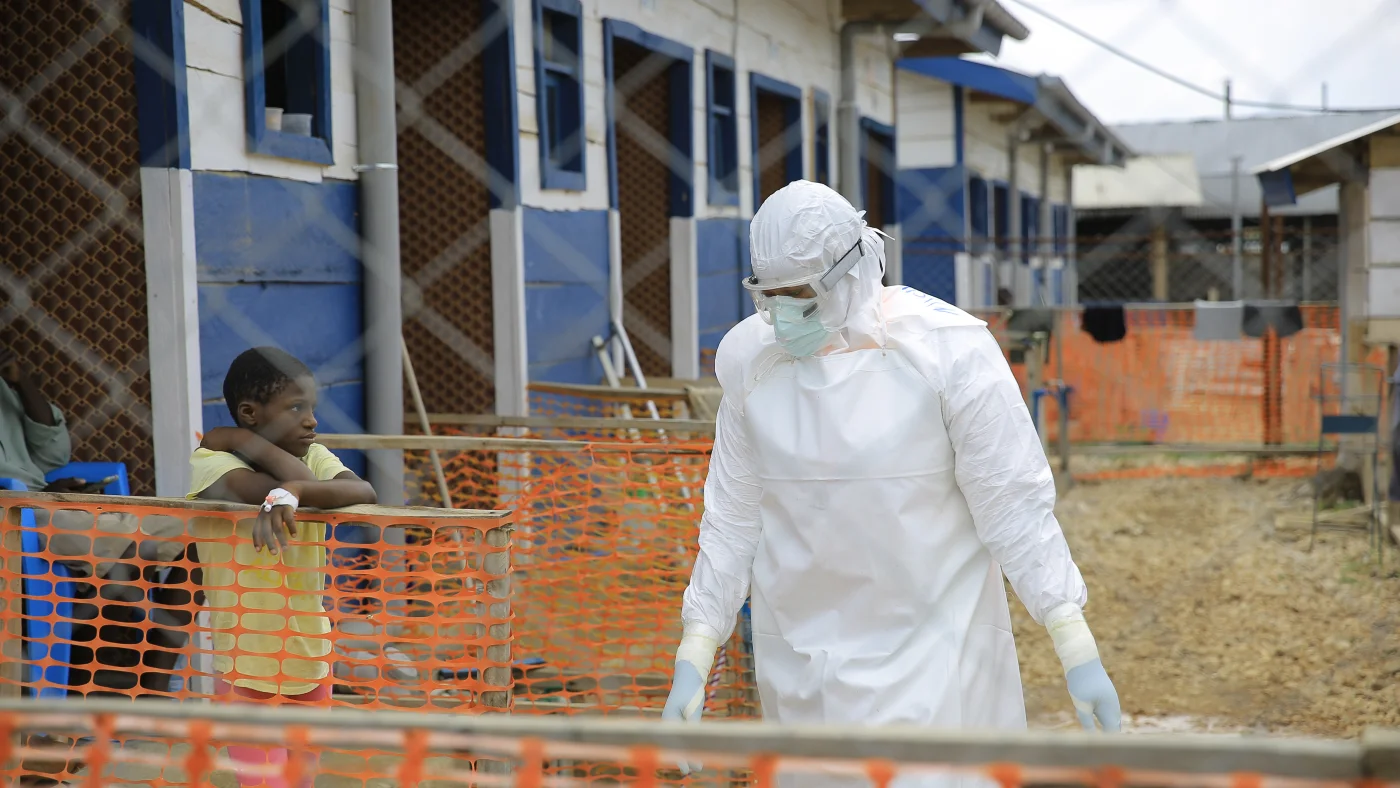
Congo is facing its most severe Ebola outbreak on record, with confirmed case counts reaching 11,042 and fatalities tallying 5,387 as of a government announcement made Wednesday. The mortality rate represents nearly half of all infected individuals, demonstrating the significant public health challenge the nation confronts.
The outbreak was officially declared in mid-May and has since spread across eight of Congo’s 26 provinces. The Bundibugyo virus strain responsible for this epidemic remains without an approved vaccine or specific treatment option, complicating containment and response efforts. The outbreak has expanded beyond Congo’s borders, with confirmed cases reported in Uganda, Kenya, and Nigeria.
Authorities cite multiple obstacles hindering outbreak control, including active armed conflicts in key regions, widespread infrastructure deficiencies affecting medical access, deteriorating health system capacity, and community resistance rooted in distrust and false information. Violence in the Ituri and North Kivu provinces has intensified particular concerns among health officials, who emphasize that cessation of hostilities is essential to enable medical personnel to reach affected populations.
Communities skeptical of the virus have targeted health facilities and attacked medical workers, further restricting response operations. Health authorities and disease experts are calling for enhanced containment measures and resources to address the escalating crisis.
Historically, the largest Ebola outbreak occurred in West Africa between 2014 and 2016, resulting in approximately 28,000 infections and exceeding 11,000 deaths. The current Congo outbreak has already surpassed this benchmark in both case volume and fatalities relative to the time elapsed since its declaration.
Article Attribution | Read More at Article Source
Article summary produced by Claude AI