

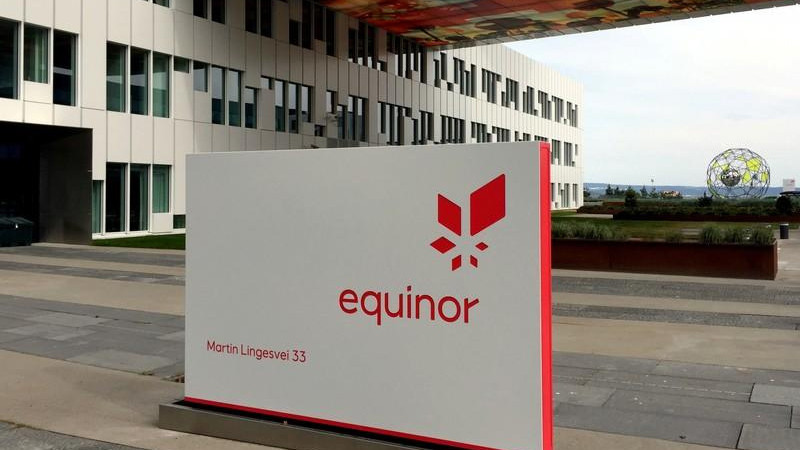
Equinor is currently responding to a cyberattack affecting its information technology systems. The company disclosed on Wednesday that it has identified how the attack was executed and which systems were compromised. Officials stated the breach does not involve malicious software capable of spreading, no data theft has been detected, and oil and gas production remains unaffected. Restoration timelines have not yet been determined.
The incident occurs amid a broader escalation in cyberattacks targeting energy sectors globally. Attack frequency has risen substantially since 2024, with security researchers documenting significant increases in both volume and sophistication. By this year, energy and utility companies in the United States have been fielding approximately 1,755 attacks weekly. Threat actors include both state-aligned groups and independent criminal organizations, with capabilities increasingly enhanced through artificial intelligence tools that can breach corporate networks in minimal time.
State-sponsored actors have demonstrated growing capability to damage critical infrastructure. Russian-aligned hackers accessed a Norwegian hydroelectric facility in April 2025 and manually operated a dam valve. Later that year, similar actors attacked Polish renewable energy installations and thermal power plants, compromising remote control systems. Iranian state units have targeted internet-connected industrial controllers at water and energy facilities in the United States, in some cases disabling safety shutdown and alarm functions. Criminal ransomware groups have simultaneously targeted energy operators for financial extortion, with premium pricing for access to such systems on underground markets.
Security researchers have identified persistent vulnerabilities enabling these intrusions. Weak authentication credentials, internet-exposed systems, and inadequate network segmentation between business and operational technology environments account for the majority of successful breaches. The emergence of AI-powered attack tools has significantly reduced the technical expertise and time required for adversaries to identify and exploit these weaknesses. U.S. and international security agencies have warned that artificial intelligence is fundamentally altering the threat landscape by making attacks faster, cheaper and more difficult to prevent or detect.
Norway raised its national cyber threat level to the second-highest tier in October. Equinor continues coordinating with Norwegian national security authorities to contain the attack while working to restore normal operations.
Article Attribution | Read More at Article Source
Article summary produced by Claude AI