

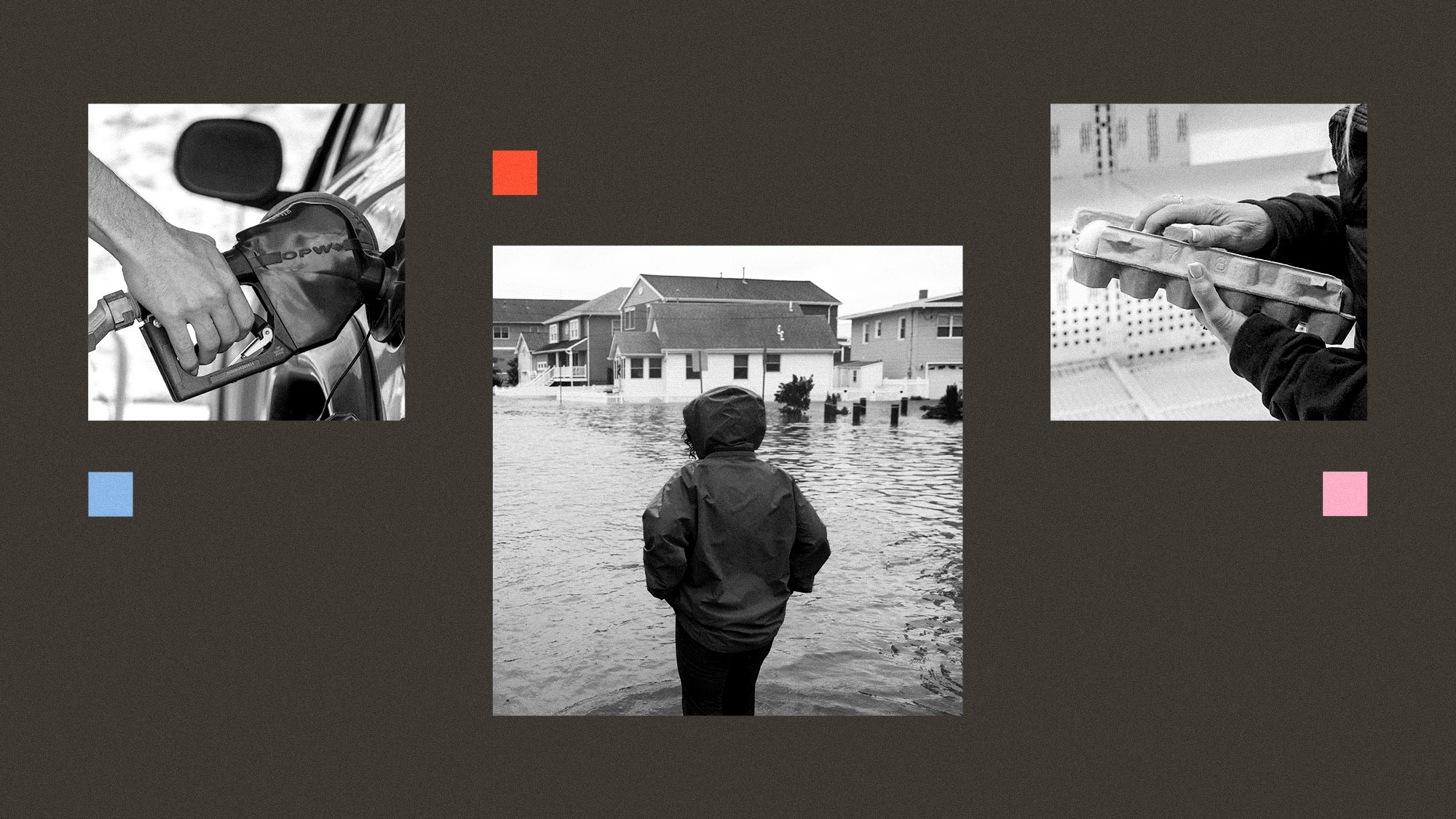
New polling conducted earlier this year by Data for Progress found that 58 percent of likely U.S. voters believe warming climate will hinder their ability to achieve or maintain the American Dream over the next two decades. The figure includes 42 percent of Republican voters surveyed.
When asked about immediate threats to reaching the American Dream today, respondents identified cost of living as the primary concern, with only 2 percent naming climate change and extreme weather as the central current threat. Research from Investopedia calculated the typical American Dream milestones—including homeownership, vehicle purchase, and child-rearing—now costs approximately $5.3 million per household.
However, a significant disconnect appears when voters project climate impacts forward. More than half of survey participants expressed substantial worry that climate change will increase living expenses over the next 20 years, a concern that ranks higher than worries about temperature increases, extreme weather events, crop failures, or environmental degradation. An earlier analysis from MIT determined that American households currently pay between $400 and $900 annually due to climate change effects, ranging from elevated utility bills to increased insurance costs, with certain counties experiencing expenses exceeding $1,000 per year.
In the lead-up to midterm elections this week, climate advocacy organizations have highlighted energy cost concerns for voters in competitive districts, promoting wind and solar energy as cost-effective alternatives while criticizing administration efforts to restrict offshore wind development and renewable energy expansion. Testing messaging frameworks, the polling found only 6 percent of respondents—including Republicans—characterized climate policies as “an expensive burden on working people.” The most frequently selected characterization across the survey was “a critical step to protect our environment.”
Article Attribution | Read More at Article Source
Article summary produced by Claude AI