

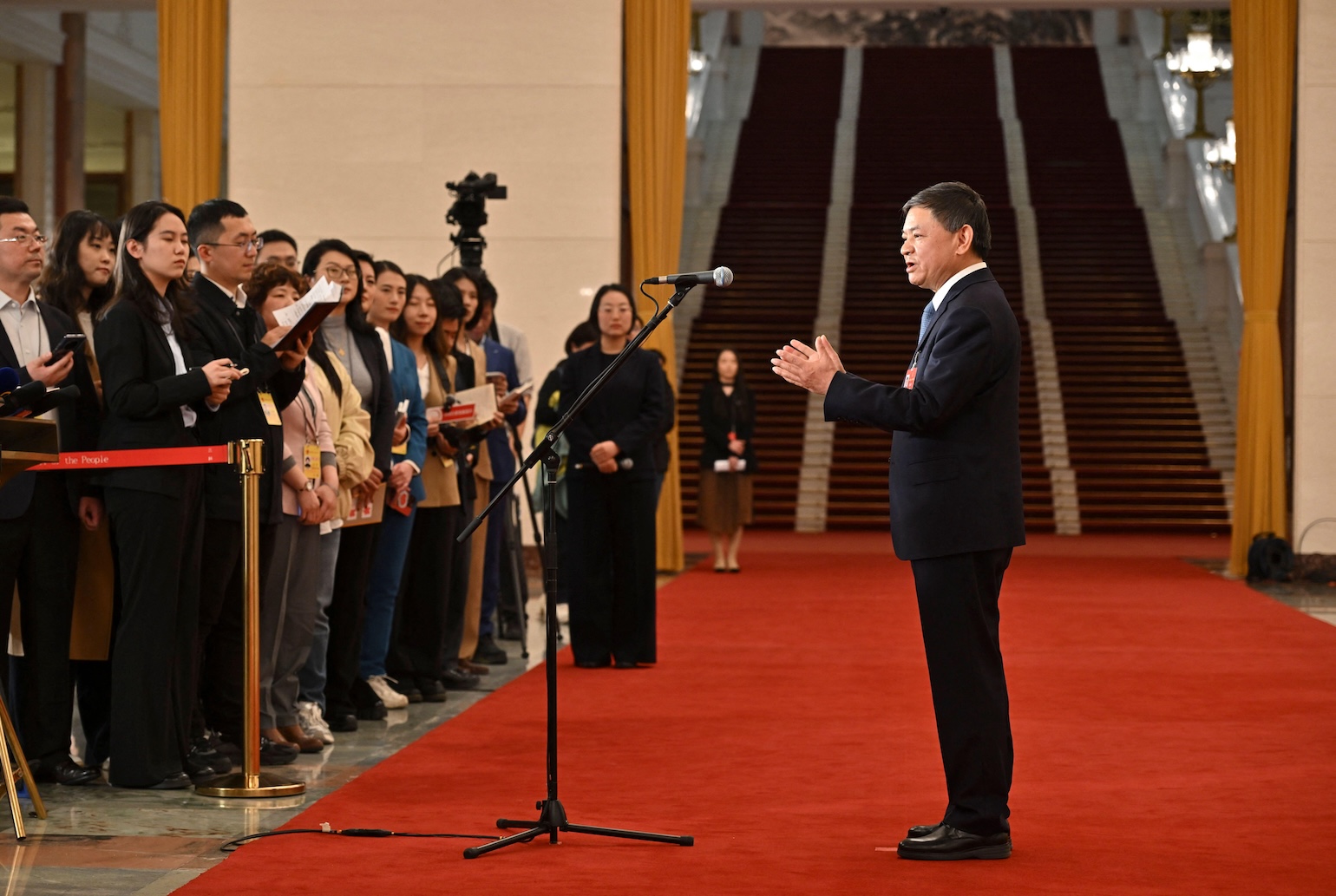
China’s delegation is expected to emphasize multilateral cooperation and international unity on climate action as the nation prepares for COP31 negotiations. Following China’s participation at COP30, where it secured agreements on climate-related trade measures and climate finance mechanisms, the country’s environment vice-minister outlined priorities including support for an open trade system that promotes clean-energy technology adoption and addressing gaps in developed nations’ emission reduction efforts.
Experts consulted on China’s likely negotiating position identified several key themes. China will probably seek clarity on implementation of existing commitments under the Paris Agreement, including nationally determined contributions and the $300 billion climate finance target. The nation may also continue advocating against what it characterizes as protectionist trade measures, positioning itself as a leading supplier of renewable energy technologies, electric vehicles, and battery systems to developing countries seeking to advance their energy transitions.
Another focal point will be climate finance flows from developed to developing nations, though analysts suggest China may allow other developing countries to lead discussions while positioning itself as a broker to protect its own interests. The integration of trade perspectives into climate negotiations remains a priority, reflecting Beijing’s vision of clean-energy diplomacy that leverages its industrial capabilities.
Observers will be monitoring how China responds to electrification initiatives and whether the nation shows increased willingness to address fossil fuel phase-out language. As China achieves its coal and oil peak, experts note potential for expanded leadership on transitioning away from fossil fuels, though this may emerge more through bilateral engagement than formal negotiations. Additionally, China’s approach to sharing cleantech industrial benefits through local manufacturing and joint ventures versus export-focused models will signal its broader strategic vision for global climate cooperation.
With limited formal negotiation items on the agenda, implementation and delivery of existing commitments will dominate discussions, areas where China sees both domestic progress and significant economic opportunities through supporting other nations’ clean energy transitions.
Article Attribution | Read More at Article Source
Article summary produced by Claude AI