

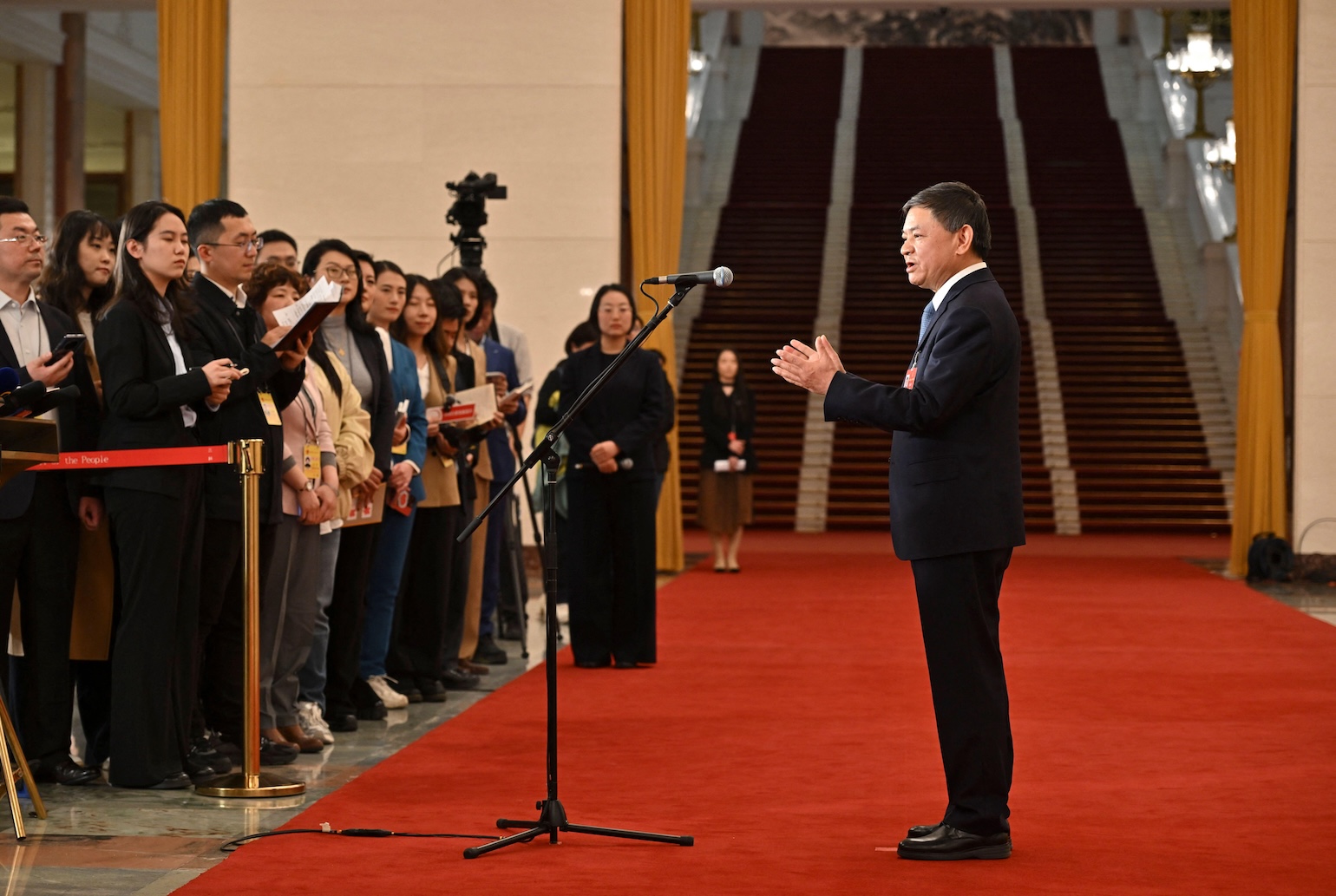
The upcoming COP31 climate summit in Turkey has drawn focus to China’s anticipated negotiating positions and strategic priorities. Drawing on statements from Chinese officials, including environment vice-minister Li Gao, observers expect the country to emphasize multilateralism, call for reduced emissions by developed nations, and advocate for increased climate finance to developing countries. China’s track record at COP30 demonstrated its willingness to broker compromises on climate-related trade measures and champion cooperative initiatives among developing nations.
Multiple experts identify trade as a central concern for China’s delegation. Officials have expressed frustration with tariffs and other measures restricting the flow of Chinese clean energy technologies globally. Experts anticipate China may push for dedicated negotiating space on trade-climate linkages or continue leveraging existing forums to advance an open and fair international trade system. This position reflects Beijing’s interest in maintaining market access for its renewable energy, electric vehicle, and battery manufacturing sectors.
Climate finance represents another key focus area. Experts expect China to highlight the gap between commitments and delivery of financial support to developing countries, though officials may strategically defer pressure by allowing other nations to lead discussions while positioning themselves as mediators to protect their interests. Implementation of existing targets, including nationally determined contributions and the $300 billion climate finance goal, is also likely to receive attention.
Observers will monitor China’s stance on emerging agenda items, particularly a potential global electrification initiative from the conference presidency. While China’s clean energy manufacturing capabilities position it favorably for such initiatives, experts note potential reluctance to couple electrification targets with commitments on fossil fuel transitions. Additionally, watchers will assess whether China demonstrates increased openness to broader fossil fuel phase-down discussions as its domestic coal and oil production approaches peak levels, potentially opening pathways for greater leadership on this historically contentious issue.
Article Attribution | Read More at Article Source
Article summary produced by Claude AI