

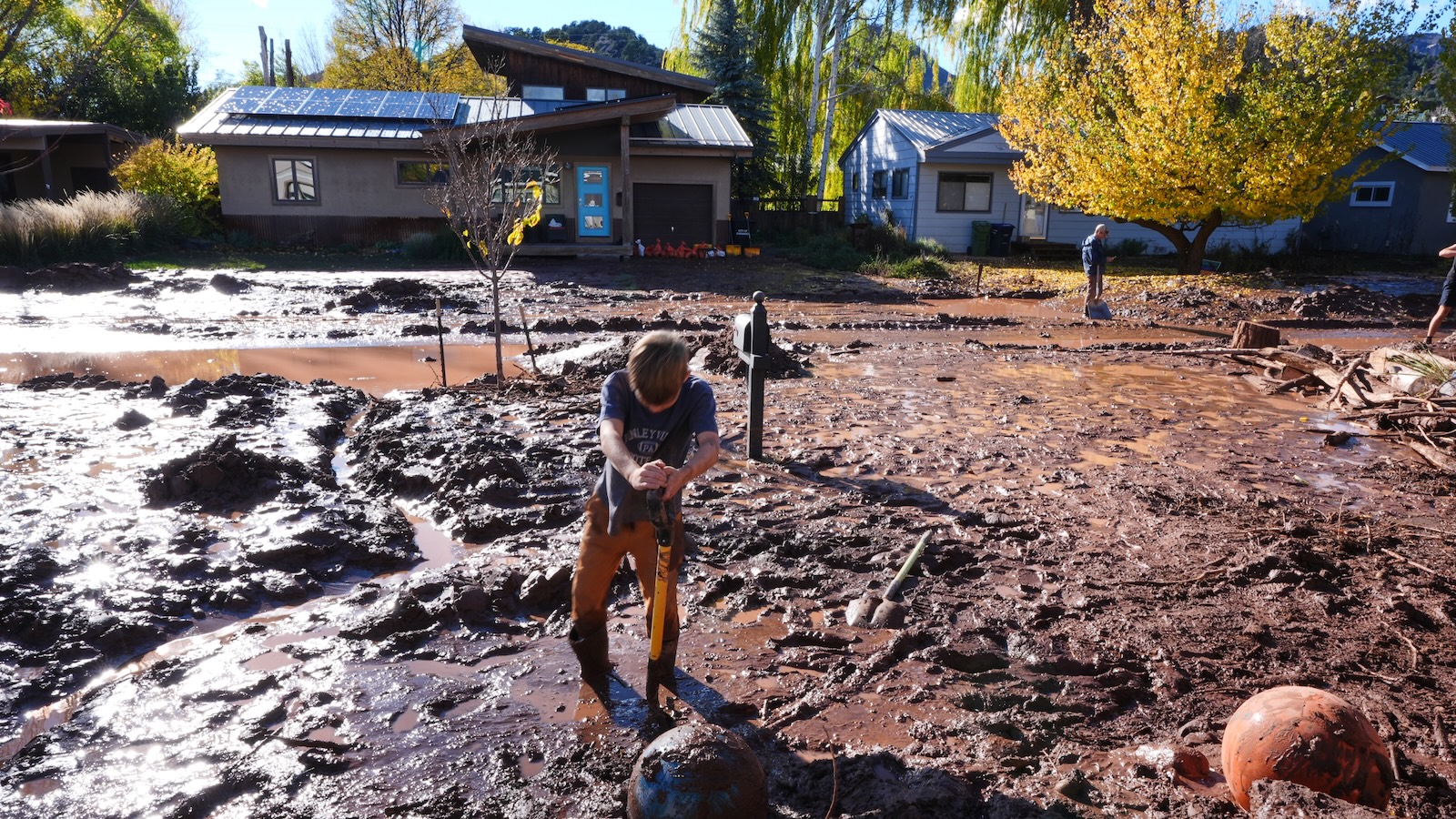
The Southwest experienced severe flooding earlier this week when a powerful storm delivered exceptional precipitation to the region. Communities across Arizona, New Mexico, Utah, and Colorado sustained damage, with at least four fatalities reported. In Clovis, New Mexico alone, 28.84 inches of rain fell since September 20, far exceeding the historical average of 3.3 inches for that timeframe. The extreme weather represents roughly two to three months’ worth of typical precipitation compressed into just a few days, overwhelming local infrastructure designed for normal rainfall patterns.
Climatologists have identified a clear connection between current weather patterns and an intensifying El Niño phenomenon. The warm Pacific waters associated with this event are contributing increased atmospheric moisture and energy that is reshaping weather systems across North America. A separate major storm in late October, which became one of Colorado’s most extreme weather events, produced up to 8 inches of rain in mountainous areas over four days. The successive storms have created dangerous conditions as saturated soils and elevated river levels amplify the impact of additional precipitation, creating conditions particularly hazardous in mountainous terrain where topography funnels water into destructive flash floods.
The National Oceanic and Atmospheric Administration’s seasonal outlook indicates that the Southwest should prepare for increased precipitation through early 2027 as the El Niño pattern continues. While the Atlantic hurricane season has been suppressed due to El Niño effects—resulting in only one hurricane compared to a historical average of six by this point—the Pacific basin has experienced heightened activity with ten hurricanes reported. The combination of elevated ocean temperatures and increased atmospheric moisture from El Niño creates a complex weather scenario for the region.
The precipitation surge presents both challenges and opportunities for water management in the Southwest. The region faces competing pressures from long-term drought, growing populations, and the declining water levels in Lake Powell and Lake Mead, the Colorado River’s two largest reservoirs. While increased rainfall could provide some drought relief and help replenish water supplies, the destructive nature of concentrated precipitation events demonstrates the infrastructure challenges posed by extreme weather. Communities are responding by implementing green infrastructure and water management strategies designed to slow runoff and reduce flooding risks while capturing available precipitation more effectively.
Article Attribution | Read More at Article Source
Article summary produced by Claude AI