

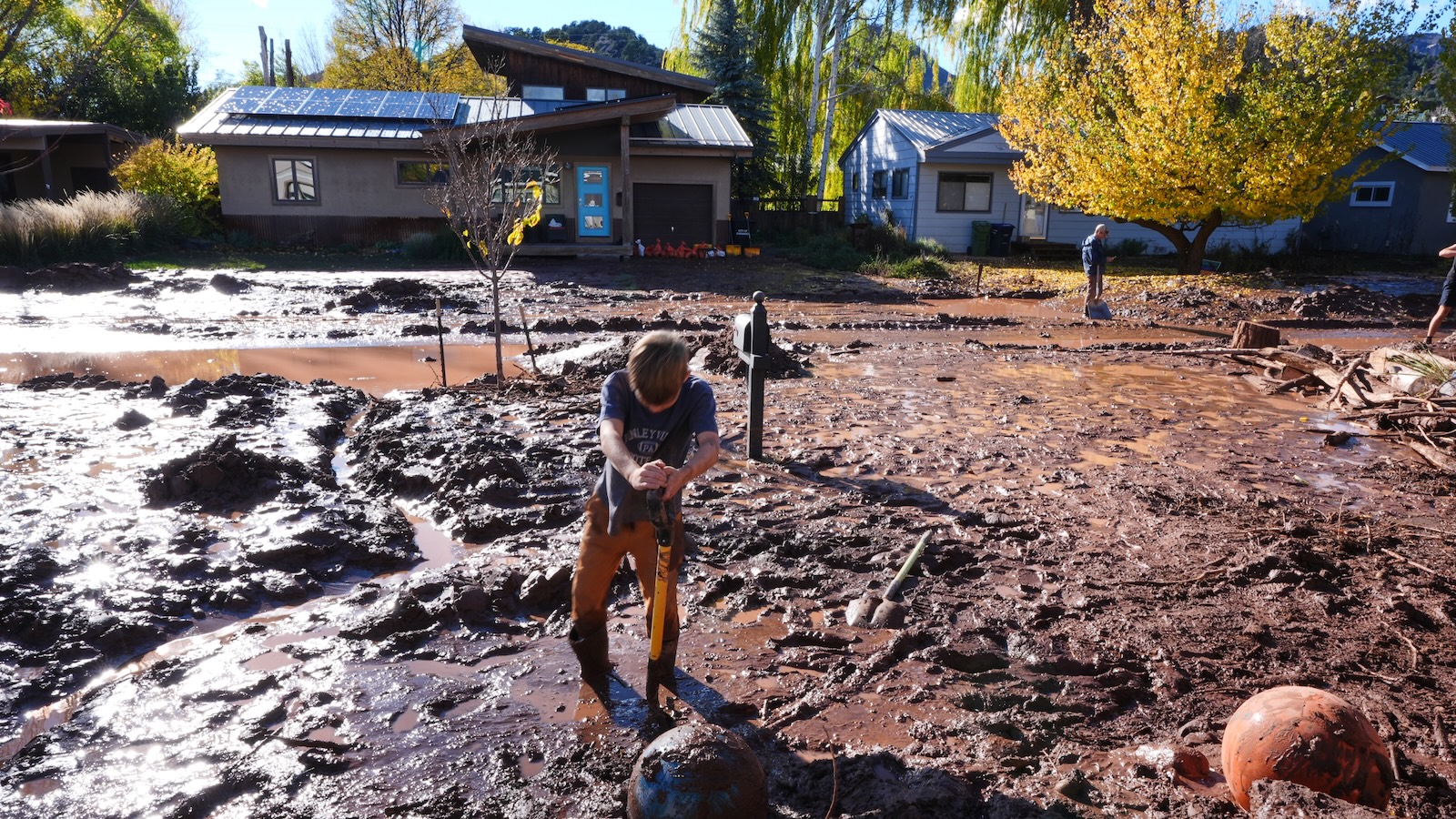
A powerful storm system struck the Southwest region over the past weekend, bringing catastrophic flooding that resulted in at least four deaths across Arizona, New Mexico, Utah, and Colorado. The precipitation rates were extraordinary by regional standards, with Clovis, New Mexico receiving 28.84 inches of rain since September 20, compared to its typical seasonal average of 3.3 inches. Communities across the affected areas faced infrastructure overwhelmed by the volume and intensity of water.
Experts attribute the extreme conditions to the strengthening El Niño phenomenon currently unfolding in the Pacific Ocean. According to climate researchers and NOAA projections, the El Niño warming pattern is priming much of the southern United States for increased precipitation through the coming winter months. The warm Pacific waters inject significant atmospheric energy that influences weather patterns globally, increasing both heat and moisture in the atmosphere. This combination makes extreme precipitation events more likely, though not impossible outside of El Niño conditions.
The successive nature of recent storms has compounded the damage in the Southwest. A separate system in late October produced up to 8 inches of rain in four days across Colorado’s higher elevations. When storms occur in close succession over already-saturated terrain, the combination creates dangerous conditions for flash flooding, particularly in mountainous areas where topography funnels water into powerful torrents. Rivers already running high from earlier precipitation rose even higher, and waterlogged soils caused additional runoff during subsequent storms.
While increased winter precipitation could provide drought relief to the southern United States, climate experts note this may not be sufficient to address long-term water challenges. Lake Powell and Lake Mead, the Colorado River’s two largest reservoirs, continue approaching critical levels. Rising temperatures increase evaporation from water storage systems, and growing populations in the Southwest demand ever-increasing water supplies. Researchers indicate that substantially more precipitation than anticipated would be needed to reverse the reservoirs’ decline to acceptable levels.
Adaptation efforts are underway in some communities, with cities like Tucson installing green infrastructure designed to slow water runoff and reduce flooding risks. The wild card for the coming months remains uncertain snowpack levels in Colorado, as snow gradually releases stored water during spring thaw rather than causing immediate flooding like rainfall does.
Article Attribution | Read More at Article Source
Article summary produced by Claude AI