

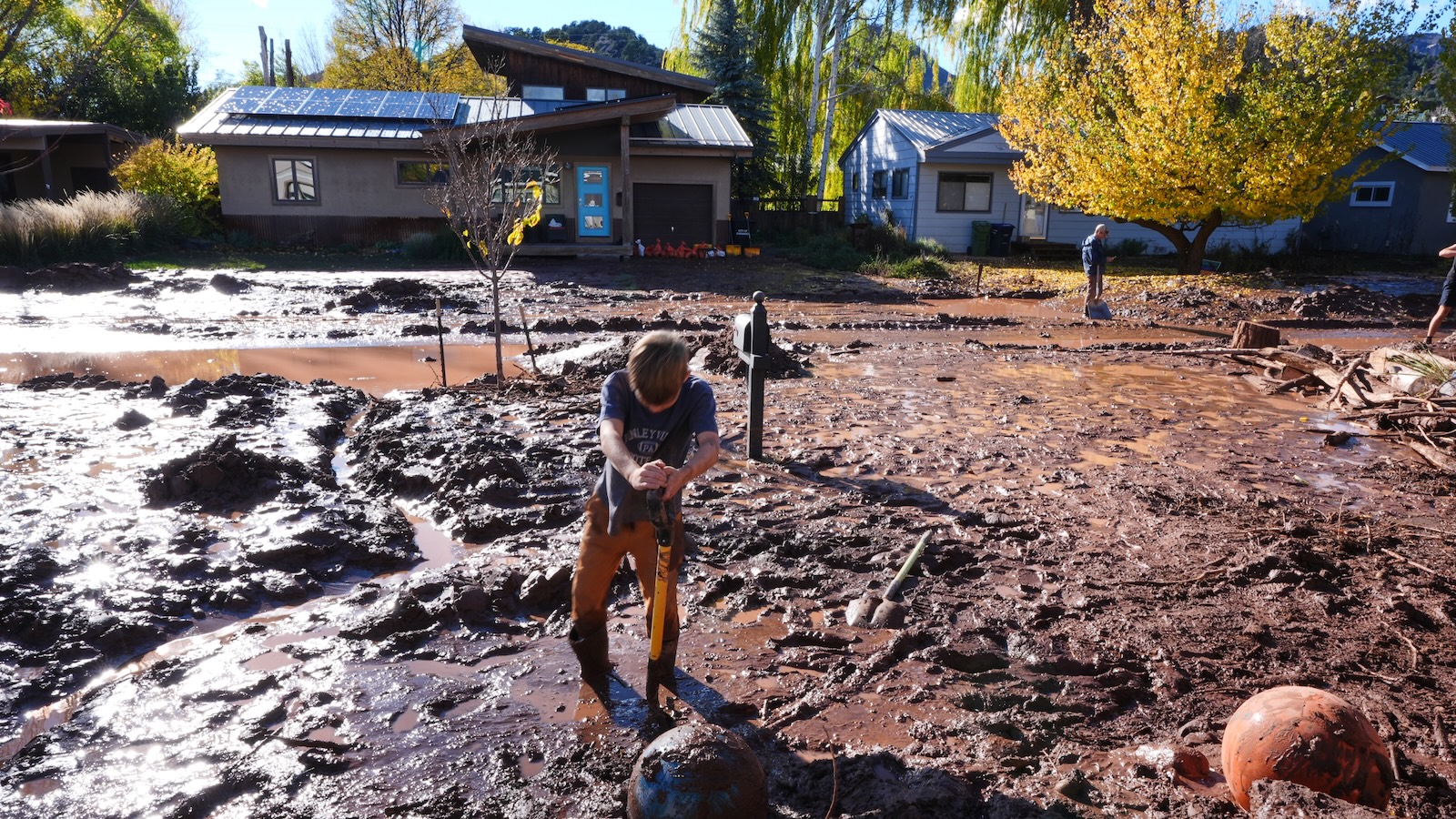
A powerful storm system inundated communities across the Southwest last weekend, resulting in at least four deaths and dumping two to three months’ worth of typical precipitation in just days. The deluge was particularly severe in New Mexico, where Clovis recorded 28.84 inches of rainfall since mid-September, vastly exceeding its historical average of 3.3 inches for that period. Climate experts attribute much of this extreme precipitation to the developing El Niño pattern in the Pacific Ocean.
The current El Niño is the strongest on record and continues to intensify, introducing substantial energy into the atmosphere that affects global weather patterns. The phenomenon has already altered Atlantic hurricane behavior by disrupting high-altitude wind patterns, resulting in the latest start to hurricane season in recorded history. Meanwhile, the Pacific basin remains exceptionally warm, fueling increased hurricane activity there. These warmer ocean temperatures inject additional moisture into the atmosphere, which combines with incoming weather systems to create conditions for extreme precipitation events in the Southwest.
The destruction was compounded by atmospheric conditions. A separate late October storm that ranked among Colorado’s most severe weather events had already saturated soils across Arizona, Colorado, Utah, and New Mexico. When the subsequent weekend storm arrived, the ground could not absorb additional rainfall, causing water to run off and intensify flooding. Mountainous terrain in the region amplifies this risk by funneling rainwater into dangerous torrents capable of moving large boulders and reshaping landscapes.
The National Oceanic and Atmospheric Administration’s seasonal forecast indicates increased precipitation across the southern United States through early 2027, which could provide drought relief. However, climate scientists note that while additional rainfall might help, it cannot reverse the dramatic decline of the Colorado River’s major reservoirs, Lake Powell and Lake Mead. Winter snowpack, which releases water gradually during spring thaw rather than causing destructive runoff, remains a critical unknown factor for water management in the region.
Article Attribution | Read More at Article Source
Article summary produced by Claude AI