

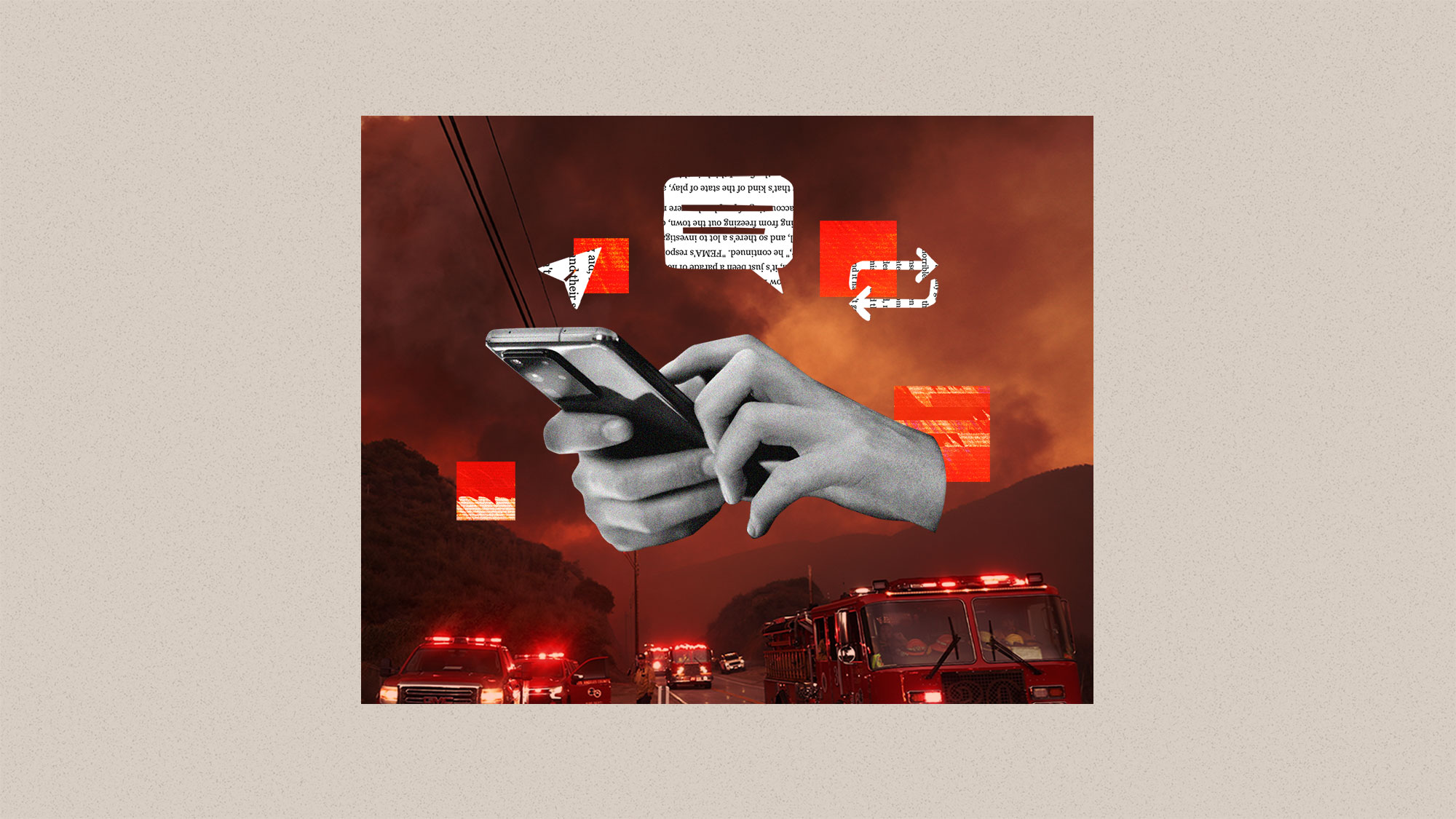
Extreme weather events are increasingly accompanied by widespread misinformation that complicates disaster response and recovery efforts, according to reporting on the intersection of climate change and information chaos.
Following major disasters such as the 2023 Maui wildfires, false narratives have proliferated across social media platforms at unprecedented scale. In the Maui case, unsubstantiated claims emerged suggesting involvement of directed energy weapons, government plots involving high-speed rail or smart cities, weather weapons, or asset seizure schemes targeting disaster survivors. These narratives circulated among both domestic social media users and accounts linked to foreign entities, reaching millions despite contradicting established facts about the fires’ origins.
Experts identify multiple converging factors enabling this phenomenon. Climate change has intensified the frequency and severity of disasters, creating more opportunities for rumors to spread during confusion. Simultaneously, the information environment has degraded significantly, with major social media companies reducing content moderation efforts, politicians politicizing disasters, and generative AI introducing new vectors for unverified information. Research indicates that the vast majority of teenagers encounter conspiracy theories on social media, with most inclined toward belief. Emergency managers face chronic staffing shortages that limit their capacity to counter false narratives effectively.
The consequences extend beyond confusion. Studies document tangible harms including unnecessary mass evacuations triggered by inaccurate official communications, significant declines in public trust toward government institutions, misallocation of emergency resources, and overwhelmed emergency services. Disaster victims require urgent access to reliable information but frequently encounter competing narratives instead, creating what researchers describe as ideal conditions for misinformation proliferation.
Federal agencies have begun developing fact-checking and myth-busting websites to counter post-disaster rumors, though effectiveness remains unclear. The core challenge involves establishing shared factual understanding during emergencies when uncertainty runs high and information sources proliferate, potentially affecting whether disaster response succeeds or fails in protecting lives and communities.
Article Attribution | Read More at Article Source
Article summary produced by Claude AI