

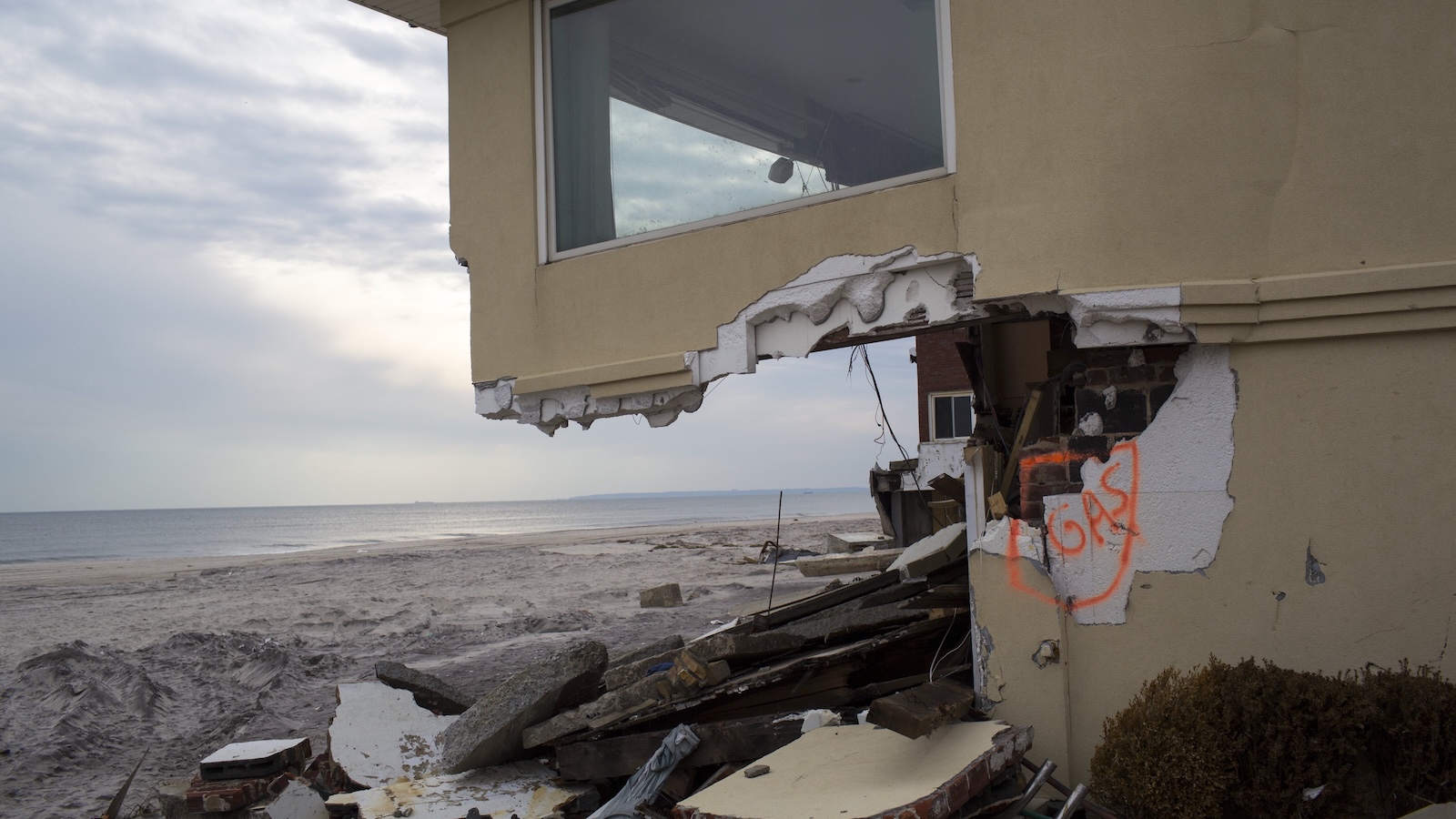
The Federal Emergency Management Agency’s Hazard Mitigation Grant Program, which has distributed over $6 billion across more than 53,000 properties since 1988, has achieved its primary goal of relocating residents from disaster-prone areas, according to research published in Science Advances. The program, which covers approximately 75 percent of a property’s purchase price through local or state government applications, has demonstrated measurable success in moving people to safer locations and offsetting federal costs through reduced future disaster claims and insurance payouts.
A study by environmental economist Rachel Young of the University of Minnesota found that program participants were approximately 20 percentage points more likely to relocate within five years compared to similarly affected residents who did not participate. Those who relocated also tended to move to areas with higher incomes, greater educational attainment, and better employment prospects. The research indicates that from the federal government’s perspective, the investment generally pays for itself through decreased disaster-related expenses.
However, the study reveals significant disparities in program outcomes based on demographic factors. Residents from higher-income neighborhoods showed markedly higher relocation rates and greater economic improvements than households from low-income or majority-Black communities. Average buyout payments reflected these disparities, with areas having majority-Black populations receiving approximately $40,583 compared to $93,977 in predominantly white census tracts. The estimated increase in relocation rates was roughly 18 percentage points in areas with smaller Black populations versus 6 percentage points in majority-Black tracts.
Experts note that the program’s limitations extend beyond equity concerns. Processing delays can leave disaster victims in precarious circumstances for years, and using pre-disaster market values to calculate buyout payments disadvantages residents in marginalized communities where property values are typically lower. These payments may prove insufficient for affected homeowners to purchase homes in safer areas. Researchers and academics call for expanded use of replacement cost valuations, reduced processing times, and improved data collection to understand program outcomes and address underlying inequities in the buyout process.
The study adds to growing evidence that while the buyout program functions as intended, it requires significant modifications to serve vulnerable populations more effectively. Experts suggest examining disaster recovery models from Europe and New Zealand as potential templates for improvement.
Article Attribution | Read More at Article Source
Article summary produced by Claude AI