

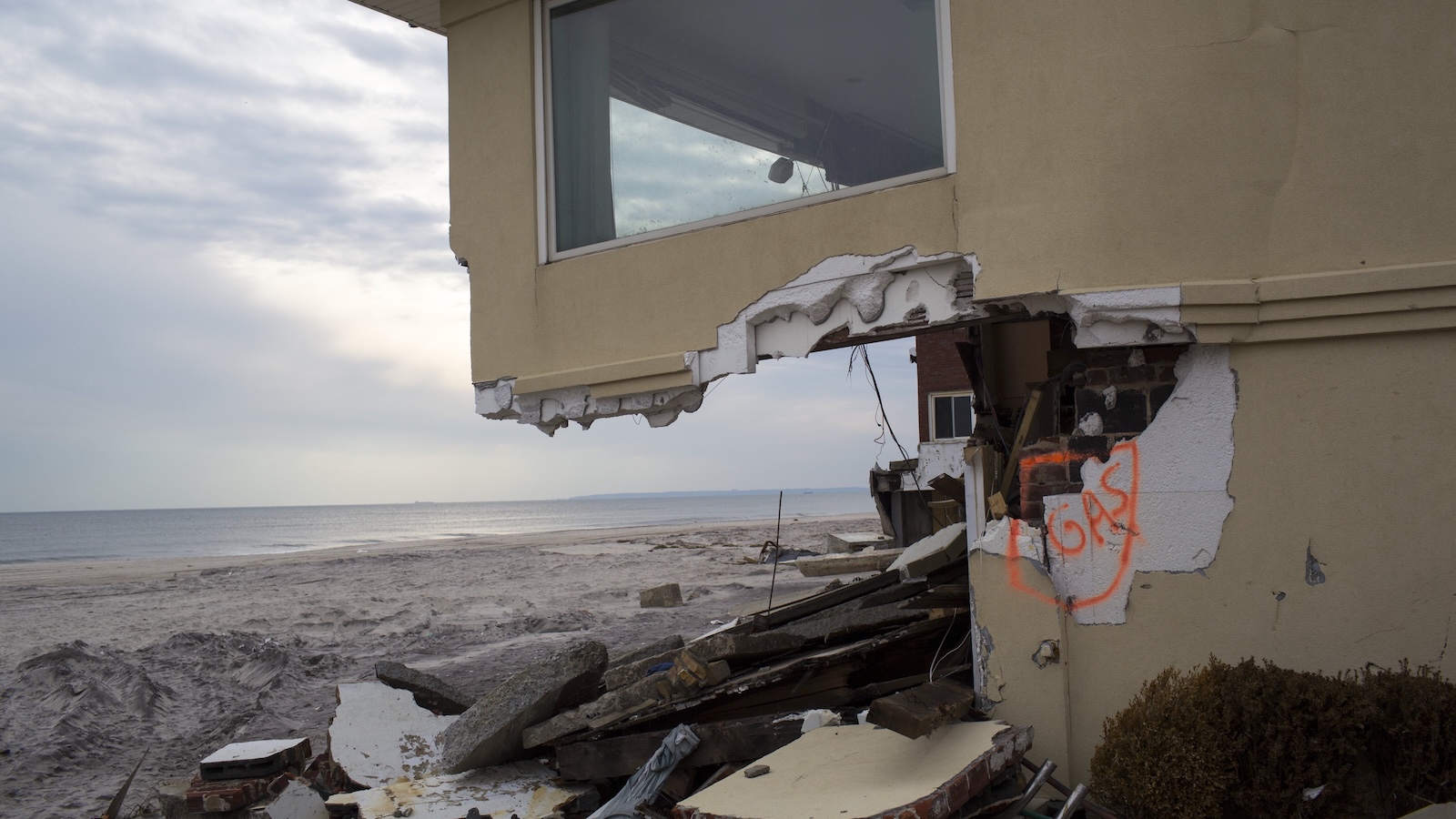
A study published in Science Advances examined the effectiveness of FEMA’s Hazard Mitigation Grant Program, which has spent over $6 billion purchasing more than 53,000 properties in disaster-prone areas since 1988. The program aims to relocate residents to safer locations and reduce future federal disaster costs. Researcher Rachel Young from the University of Minnesota found that program participants were approximately 20 percentage points more likely to relocate within five years compared to similarly affected households, with this effect persisting for at least 15 years.
The program has demonstrated financial viability, with Young noting that when targeted appropriately, federal investments in relocations tend to generate returns by preventing future insurance claims and disaster expenses. Participants who relocated also showed improved financial indicators, including reduced debt levels, and tended to move to neighborhoods with higher incomes, education levels, and employment opportunities.
However, the research revealed substantial inequities in program outcomes. Households from higher-income neighborhoods participated at higher rates and relocated to areas with greater economic opportunity, while residents in majority-Black and low-income neighborhoods experienced lower participation rates and smaller gains. Average buyout payments were $40,583 in areas with majority Black populations compared to $93,977 in predominantly white areas. The 18 percentage-point increase in relocation in tracts with smaller Black populations compared to 6 percentage points in majority-Black tracts demonstrates disparate program effects.
Experts identified several barriers contributing to these inequities, including lengthy processing times, the use of pre-disaster market values that disadvantage homeowners in lower-valued neighborhoods, and gaps in government data collection on participant outcomes. Some buyout payments fall below the cost of comparable housing in safer areas, making relocation financially impossible for certain households.
Researchers suggest potential improvements including using replacement costs rather than market values, reducing processing delays, and examining international programs for model policies. They emphasized that while the buyout program demonstrates effectiveness, it reaches only a fraction of residents living in disaster-prone areas and requires significant modifications to address existing inequalities.
Article Attribution | Read More at Article Source
Article summary produced by Claude AI